


TL;DR
- Start with clear performance targets: Step Code level, “net zero ready” vs full net zero, and any rebate or label you’re aiming for.
- Make sure your envelope, airtightness, mechanical design, and solar strategy are coordinated before you finalize net zero house plans.
- Use an energy modeller and a builder who understand BC’s Energy and Zero Carbon Step Codes, local bylaws, and real‑world constructability.
- A good design‑build process reduces change orders, eases permitting, and gives you a comfortable, quiet, low‑energy home—not just a nice score on paper.
If you’re thinking about a high‑performance custom home in Greater Vancouver, you’ve probably heard terms like “net zero”, “Step Code”, and “zero carbon”. They sound inspiring—but when you sit down with sketches, spreadsheets, and building quotes, things get real, fast.
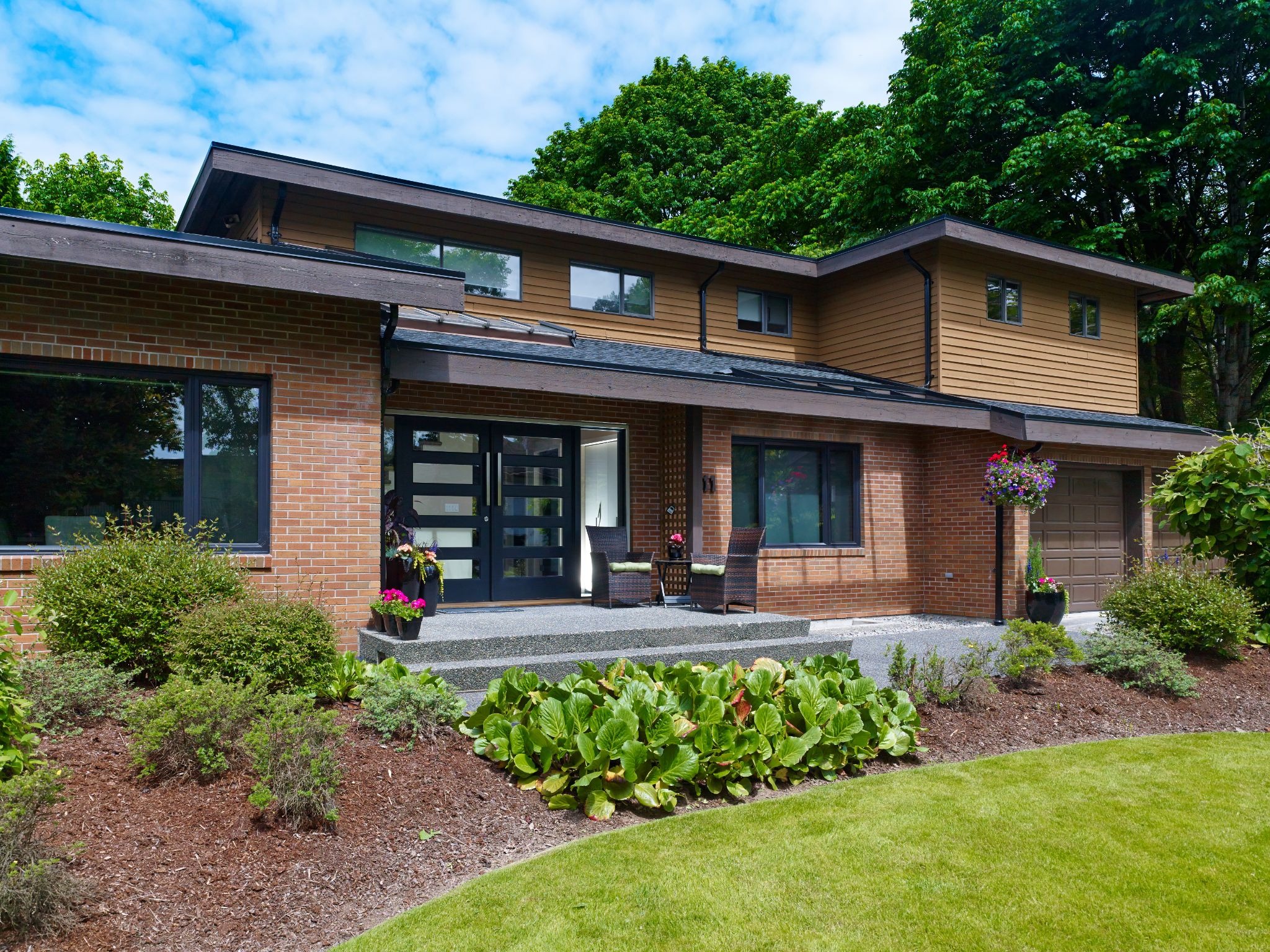
This article walks through the fundamentals of net zero house design, so your net zero house plans don’t just look good on paper—they turn into a buildable, code‑compliant home that fits your site, budget, and lifestyle.
We’ll focus on what has to line up between your designer, energy modeller, and builder, and where a design‑build firm like TQ can remove friction in the process. If you’re not sure whether to chase “net zero ready”, full net zero, or simply a higher Step Code level, you’re in the right place.
What do we mean by “net zero” for a new home?
Broadly, a net zero home is designed to produce as much energy on site (usually with solar PV) as it uses over a year. The Canadian Home Builders’ Association (CHBA) runs a voluntary Net Zero Home Labelling Program that defines performance levels and verification requirements, building on decades of work with Natural Resources Canada’s R‑2000 standard, outlined in the R-2000 program overview.
In BC, this goal sits on top of the Energy Step Code and the newer Zero Carbon Step Code. These are performance tiers added to the BC Building Code that let local governments ask for homes that are more efficient and lower carbon than the basic minimum, as outlined on the BC government Step Code resource page.
A net zero home starts with a very efficient, airtight shell; then smart mechanical design and renewables finish the job.
That’s why a “net zero home plan” isn’t just a pretty set of drawings. It has to coordinate:
- Architecture and layout
- Insulation, windows, and thermal bridges
- Airtightness and ventilation
- Heating, cooling, and hot water systems
- Solar PV, electrical service, and future loads (EVs, heat pumps, etc.)
If one of those pieces is designed in isolation, you can end up with construction details that are hard to build, fail Step Code modelling, or lead to comfort issues later.
For a quick primer on performance‑oriented builds, TQ’s project portfolio is a helpful companion read.
Step 1: Start with clear performance targets
One of the first questions we ask homeowners is: “What are you aiming for—Step Code only, a CHBA Net Zero label, or something in between?” Your answer drives hundreds of design decisions.
Know your local Step Code and carbon requirements
Each municipality in Metro Vancouver can adopt different Step Code and Zero Carbon Step Code levels for new Part 9 homes (typical detached houses). Many already require higher steps than the provincial minimum, and they rely on energy modelling and airtightness testing to prove compliance, described in resources such as the Cowichan Valley Regional District Energy Step Code guide.
Because those requirements change over time, your team should confirm current rules with:
- Your municipality’s building department
- A qualified energy modeller
- A builder who has passed inspections under the current Step Code
At this stage, a short working session with a design‑build firm can save you from re‑drawing plans later; our design‑build process is built around aligning performance targets, budget, and lifestyle before detailed drawings begin.
Step 2: Turn concept sketches into a buildable high‑performance envelope
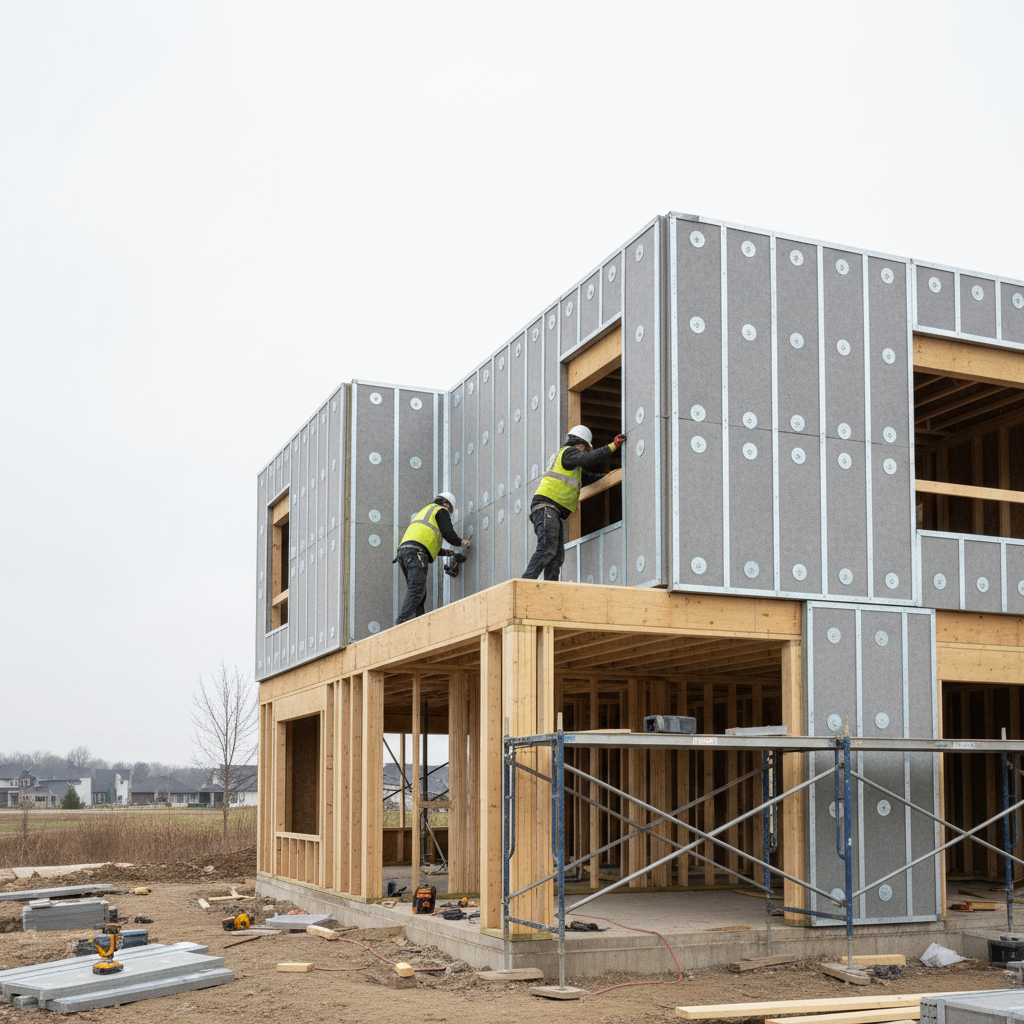
Every net zero home plan lives or dies on the quality of the building envelope—walls, roof, windows, doors, and how all those layers connect.
Keep the form simple and compact
That sculptural roofline or maze of bump‑outs might look great in early sketches. Still, every jog in the structure adds corners to air‑seal, more framing to insulate, and extra potential for water issues. At the same time, a more compact shape makes it easier to hit Step Code targets without exotic assemblies.
Choose insulation and window strategies that match your climate
In our coastal climate, we’re balancing energy performance, moisture control, and comfortable interior surfaces. That often leads to:
- Continuous exterior insulation to reduce thermal bridging
- High‑performance windows with tuned solar gain depending on orientation
- Careful detailing at balconies, canopies, and slab edges
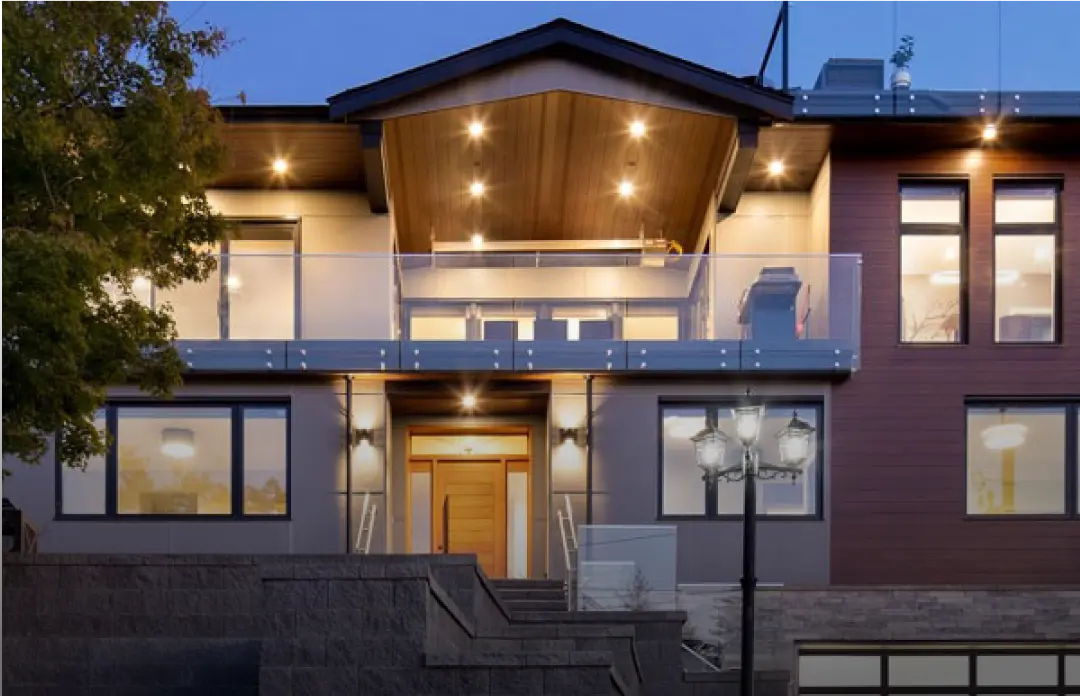
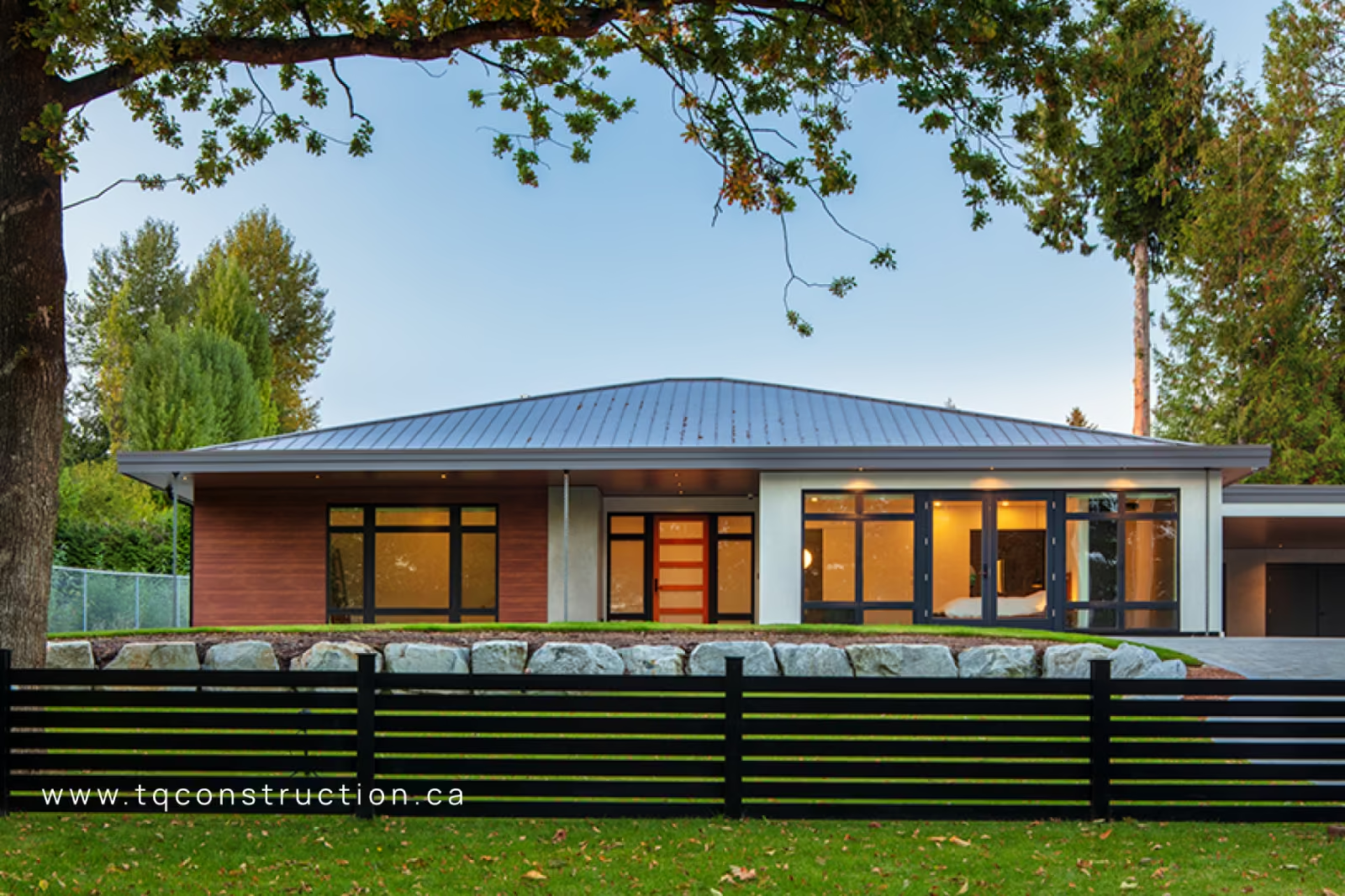
A design‑build team that handles both drawings and construction can sanity‑check whether your wall and roof details are realistic for local trades, materials, and budgets; TQ’s custom home projects gallery shows examples where we refined envelope details at the design stage to make Step Code compliance more straightforward during the build.
Step 3: Make airtightness and ventilation work together
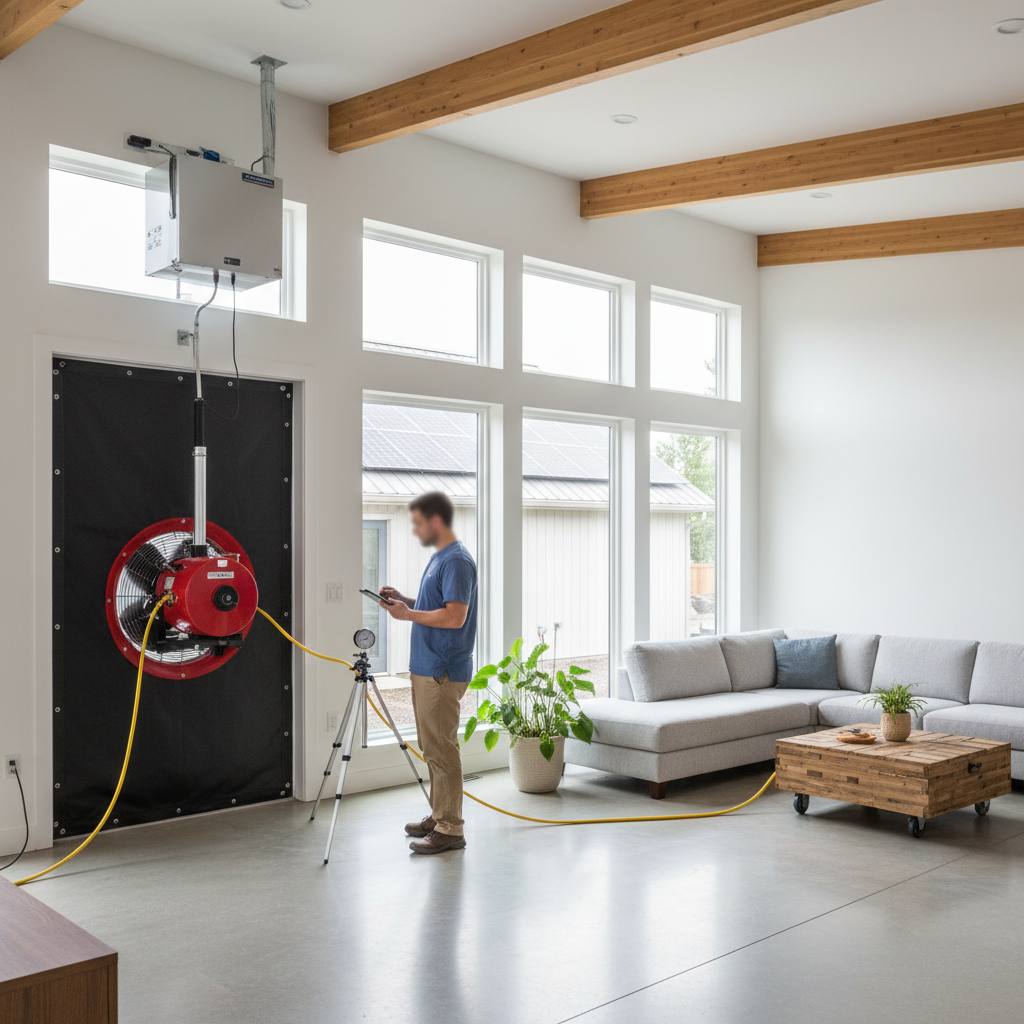
Airtightness is one area where the gap between “net zero on paper” and “net zero in reality” can be huge. Step Code requires blower‑door testing, and the air‑change target typically tightens as you move up the steps, as highlighted in the Cowichan Valley Regional District overview of the BC Energy Step Code.
Draw the air barrier as a continuous line
On your plans and sections, your team should literally trace the air barrier around the entire house. Any spot where that line has to jump across structure, switch materials, or squeeze around service chases is a potential problem.
Good net zero house plans will:
- Show a clear primary air barrier (for example, exterior sheathing or an interior membrane)
- Detail transitions at rim joists, floor lines, roofs, and window openings
- Limit penetrations for plumbing and wiring, or group them where possible
Pair airtightness with balanced ventilation
As you tighten the shell, fresh air has to come from a dedicated ventilation system—usually a heat recovery ventilator (HRV) or energy recovery ventilator (ERV). Thoughtful design places supply and return grilles for comfort, sound, and serviceability, not just to tick a box on a checklist.
In our projects, we coordinate mechanical ducting with structural and millwork design so you’re not staring at an unexpected bulkhead over your new kitchen—an area where our renovation experience helps because we’ve seen what works (and what doesn’t) in tight existing homes.
Step 4: Right‑size mechanical systems for comfort and efficiency
With a strong envelope and air barrier, the heating and cooling loads of a net zero home are usually much lower than a code‑minimum build. Oversized equipment will short‑cycle, cost more, and feel less comfortable.
Use energy modelling to guide equipment selection
Rather than “rule‑of‑thumb” sizing, your energy modeller can translate Step Code calculations into room‑by‑room loads. That supports better choices around:
- Heat pumps vs. electric baseboards or hydronic systems
- Distribution (ducted systems, ductless heads, or a mix)
- Domestic hot water strategies, including heat pump water heaters
This is also the moment to consider acoustics and simplicity. A well‑modelled system can be quieter and, in some cases, simpler, if the envelope, glazing, and exposure all support it—so it’s worth having the energy modeller, designer, and builder review options together.
Step 5: Plan for solar, electrical, and future loads
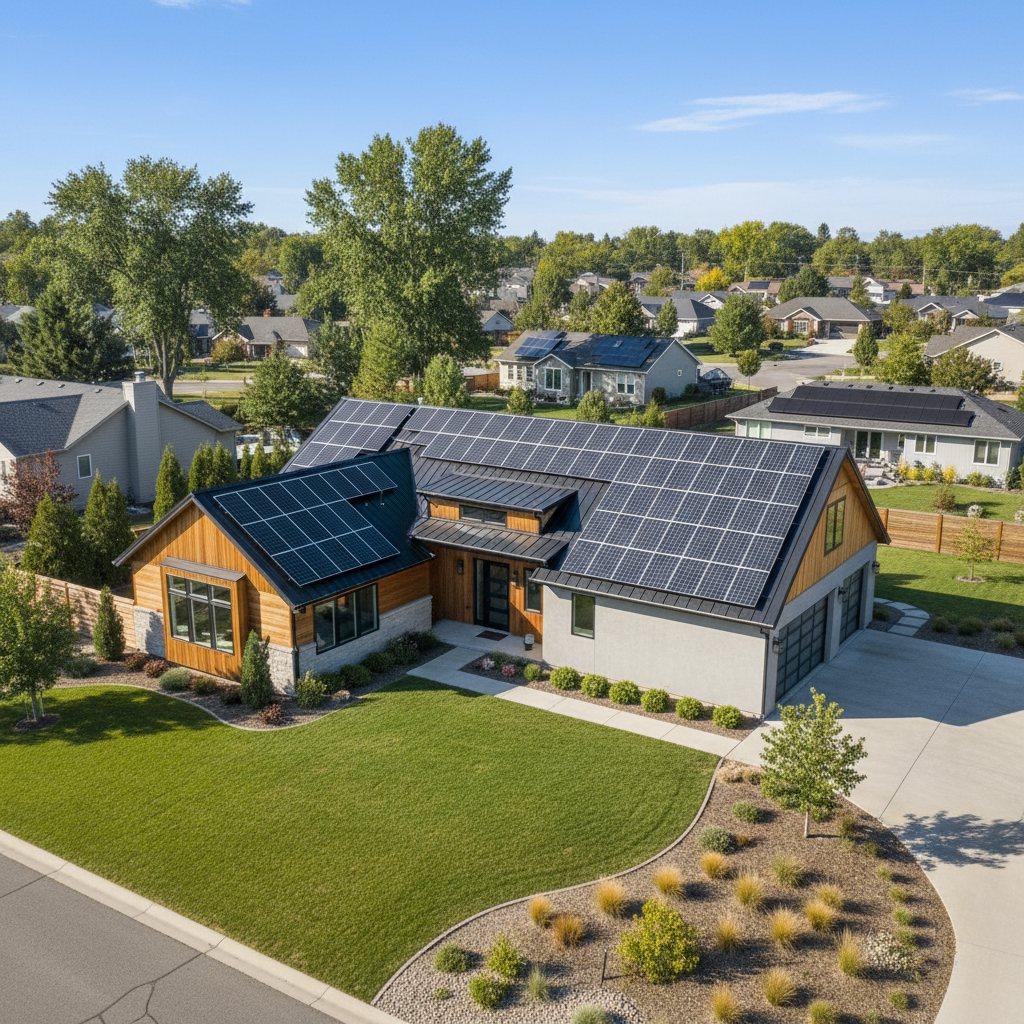
To reach full net zero, you eventually need on‑site renewable generation, typically roof‑mounted solar PV. Even if you’re stopping at “net zero ready” for now, smart electrical planning up front keeps options open.
Design the roof and structure with solar in mind
Solar works best when:
- Roof faces the right direction with minimal shading
- There’s a clean, uncluttered area for array layout
- Structural design anticipates the extra loading
Think ahead about electrical capacity
Between heat pumps, EV chargers, and other electric loads, your designer and electrician should coordinate:
- Main service size
- Space for future breakers (for solar, second EV, or a suite)
- Conduit paths from roof to electrical room
Our project portfolio shows homes where we pre‑planned for future solar and EV charging from day one.
Step 6: Energy modelling, permits, and BC code compliance
Even the best net zero home plans stall out if the paperwork doesn’t line up. In BC, Step Code compliance relies on coordinated submissions from your designer, energy modeller, and builder, as explained in the BC Energy Step Code handbook for building officials.
Key pieces that have to match
When we prepare a permit package for a high‑performance or net zero build, we’re watching for alignment between:
- Architectural drawings (plans, sections, elevations, details)
- Energy model inputs (window sizes and types, insulation levels, mechanical specs)
- Step Code and Zero Carbon Step Code declarations required by your municipality
Government resources like the BC Energy Step Code hub and provincial guidebooks available on the Energy Step Code website spell out how local governments can implement these steps and what they can ask for at each level.
How design‑build helps at this stage
Because TQ handles both design and construction, our team can:
- Coordinate directly with your energy modeller on updates to the drawings
- Flag constructability issues that might cause Step Code performance to slip during the build
- Reflect permit conditions and inspections back into our construction schedule
That reduces surprises—for you, for the building official, and for the trades who have to execute the details on site.
Step 7: Choose a design‑build team with net‑zero experience
A net zero home is still, at its core, a house for your family. It has to feel good to live in, stand up to West Coast weather, and age gracefully. The technical targets are only half the story.
When you’re interviewing designers and builders for net zero home plans in Greater Vancouver, ask:
- Have you built Step 4 or Step 5 houses under the current BC Codes?
- Do you have examples of homes with very low energy bills and strong comfort feedback from owners?
- How early in design do you bring in energy modelling and mechanical design?
- How do you handle blower‑door testing, air‑sealing quality control, and commissioning?
Our process starts with a discovery phase that lines up budget, design goals, and performance ambitions, then moves through concepts, preliminary pricing, permit drawings, and a detailed construction plan—so the house you fall in love with on paper is the house that actually gets built. You can see this in our company story and values.
Common net zero design mistakes we see (and how to fix them)
1. Chasing a label without a budget reality check
Going for a CHBA Net Zero label can be a great goal, but it needs to be weighed against land costs, finishes, and long‑term plans for the property, and it should be understood in the context of Canada’s history with high‑performance homes, including the R-2000 program. A design‑build team can help test different scenarios, “net zero ready” now with a solar‑ready roof, versus full net zero from day one.
2. Leaving performance decisions to the very end
We occasionally meet homeowners who come to us with finished drawings and a tight timeline, only to discover that the envelope details don’t support the required Step Code level, forcing late changes and extra cost.
3. Not involving the builder in the permit set
In high‑performance work, if the builder only sees the plans after the permit is approved, you miss a chance to catch constructability issues, cost hot‑spots, and risky details while there’s still time to adjust the design.
4. Forgetting about day‑to‑day living
Net zero doesn’t mean much if the mudroom is tiny, the kitchen doesn’t work, or storage is an afterthought, so the best projects blend lifestyle‑focused planning with the quiet, steady comfort of a high‑performance shell.
For more on how we balance everyday living with technical performance, take a look at our whole‑home renovation approach, which uses similar thinking on complex retrofit projects.
Thinking about a net zero custom home in Greater Vancouver?
Designing a net zero home is a team sport. When the architect, energy modeller, interior designer, and builder all pull in the same direction from day one, you get:
- Plans that pass permit review with fewer revisions
- A build that runs with fewer surprises and change orders
- A finished home that feels calm, quiet, and comfortable in every season
If you’re starting to sketch net zero home plans—or you already have drawings and want a second look—we’d be glad to talk through options, trade‑offs, and next steps.
Request a Free Consultation with the TQ Construction team to discuss your site, goals, and timeline.
Key takeaway
Net zero house design isn’t a single product or gadget; it’s a coordinated set of decisions about form, envelope, airtightness, mechanical systems, and solar, all made with your site, code requirements, and daily life in mind.
When those pieces come together under a unified design‑build process, “net zero” stops being a buzzword and starts looking like a comfortable, durable home your family can enjoy for decades.