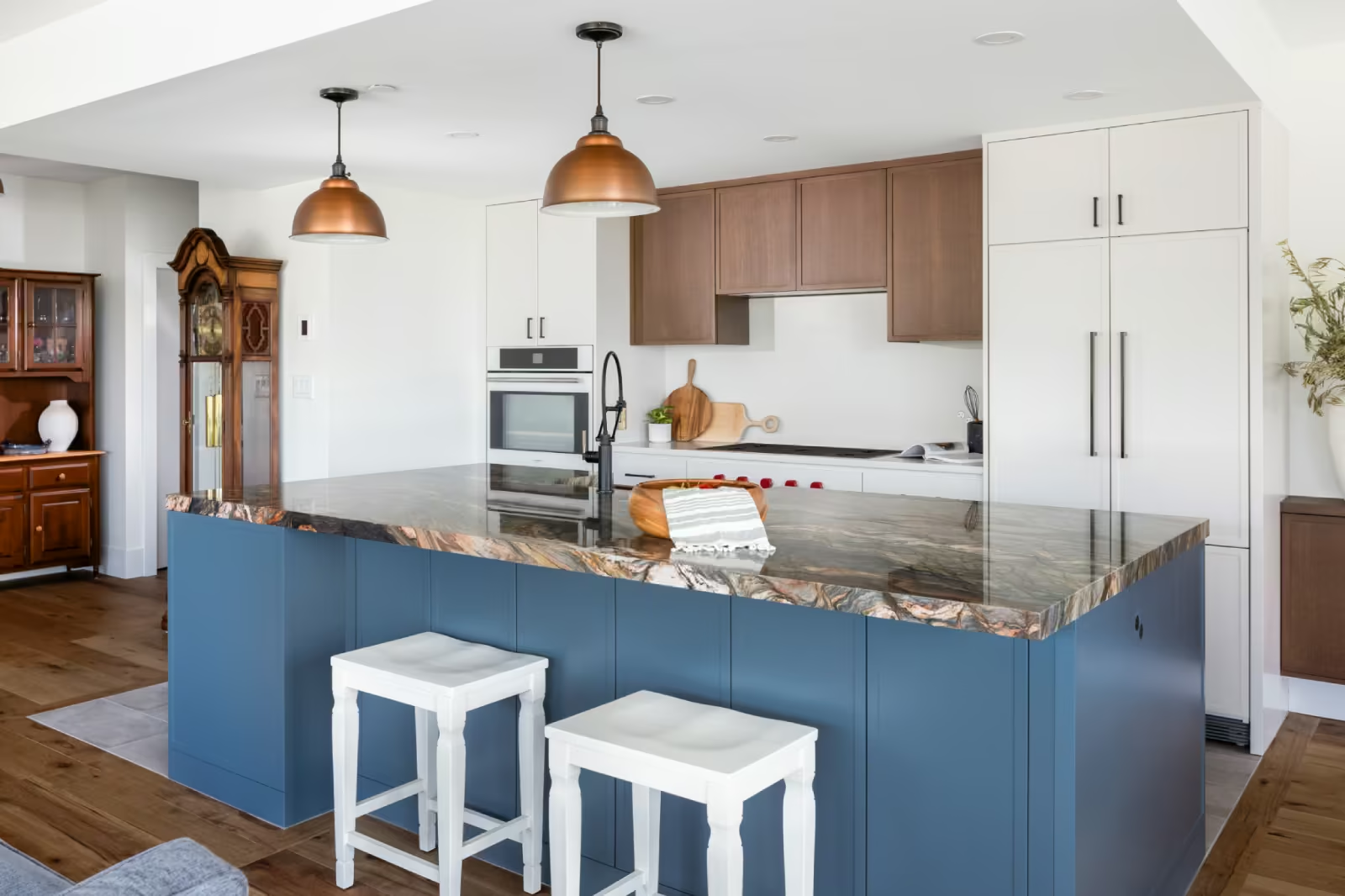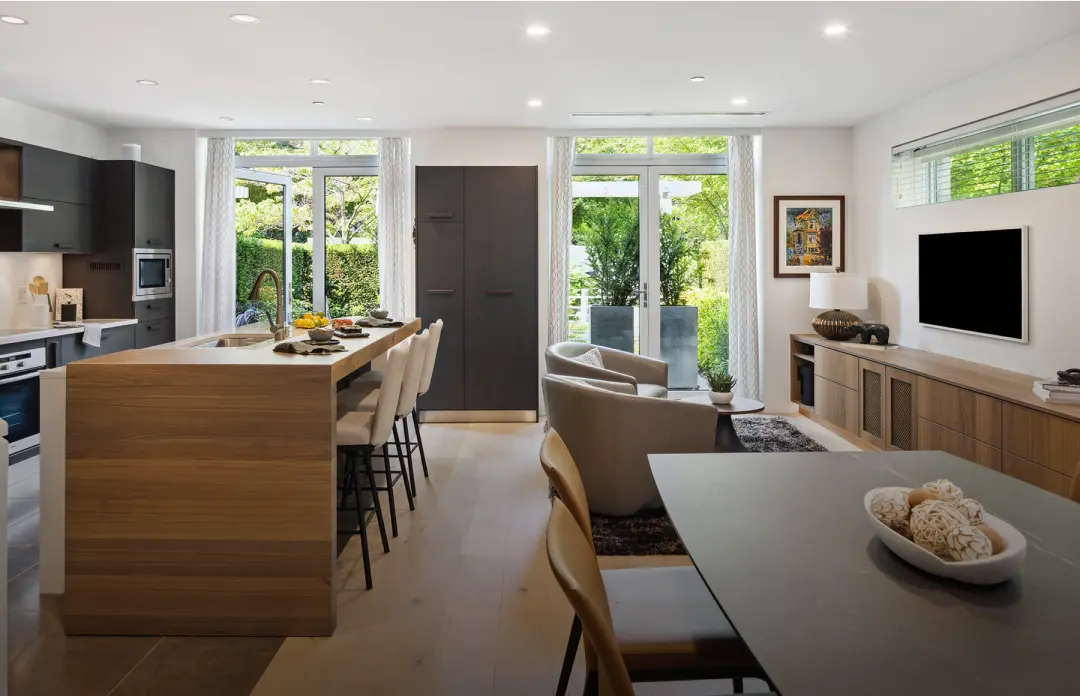




On a major home renovation or custom build, you’ll hear a handful of titles: general contractor, construction manager, architect, and interior designer. Sometimes they all work together; sometimes one company wears several hats. No surprise that homeowners end up asking, “What does a general contractor do, and who is actually steering the ship?”
This guide breaks down the general contractor’s role, how it compares to a construction manager, architect, and designer, and where a design-build team like TQ Construction’s renovation services fits in. By the end, you’ll know which roles you truly need for your Vancouver-area project and the right questions to ask before you sign a contract.
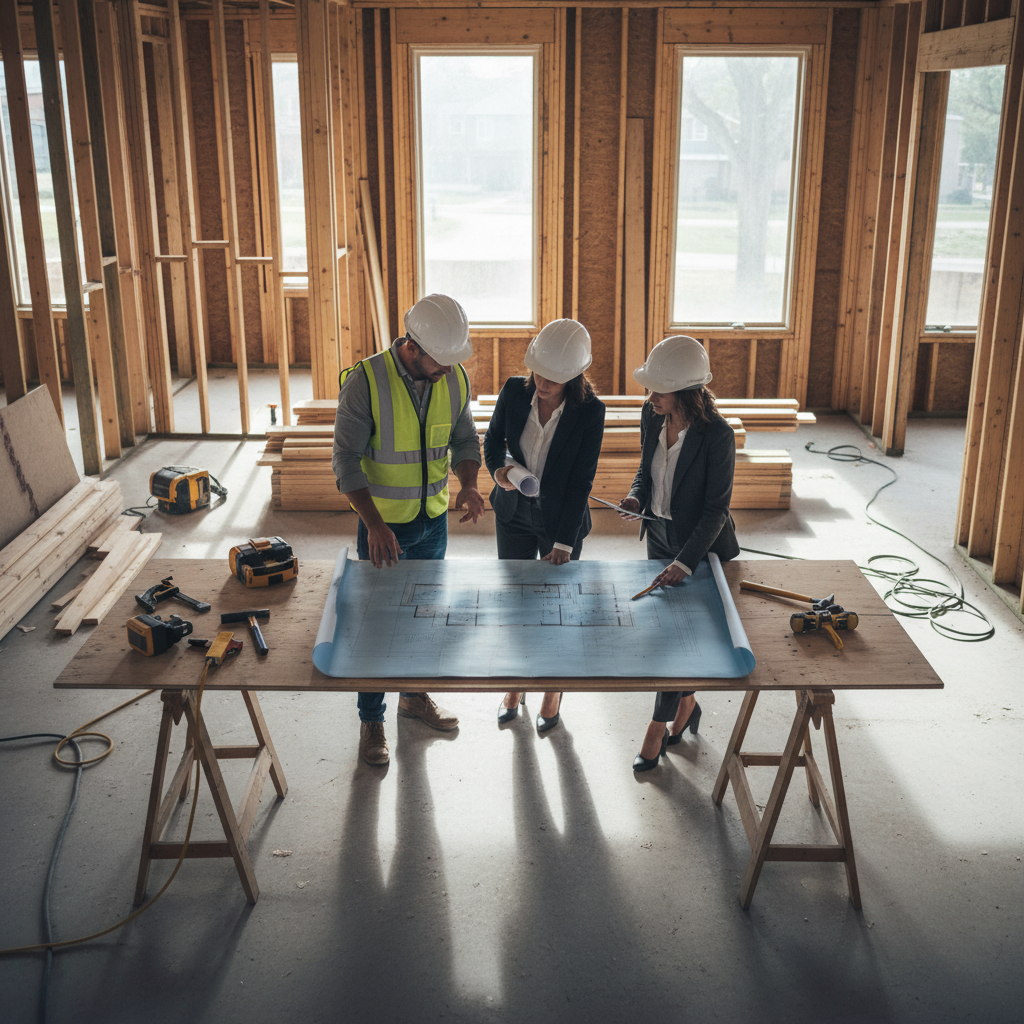
A general contractor coordinates with design professionals so your renovation moves from plans to a buildable scope.
Quick summary: who does what on your project
- General contractor (GC): Runs the build day to day, hires and coordinates trades, orders materials, and manages schedule, quality, and safety.
- Construction manager (CM): Similar to a GC, but often hired earlier on a fee basis to advise on budgeting, scheduling, and constructability.
- Architect: Leads building design, code compliance, and permit drawings; may stay involved during construction for design questions.
- Designer: Focuses on layouts, finishes, cabinetry, colours, lighting, and how spaces feel and function.
- Design-build firm: Combines design and general contracting in a single integrated firm.
Key takeaway: Your general contractor is the person who turns drawings, permits, trades, and inspections into a coordinated, code-compliant home you can live in.
What does a general contractor do?
Think of your general contractor as the conductor of a busy job site. The GC doesn’t pour every bit of concrete or install every tile personally; they pull the whole team together, keep the project safe and legal, and make sure everything happens in the right order.
Core responsibilities of a general contractor
- Hiring and coordinating licensed subcontractors (framers, electricians, plumbers, HVAC, roofers, etc.).
- Scheduling work so trades are on site in the right sequence and not stepping on each other’s toes.
- Ordering and tracking materials, fixtures, and custom items so your project keeps moving.
- Managing site safety, inspections, and building code compliance during construction.
- Handling change orders, unforeseen site conditions, and cost tracking.
- Communicating progress, decisions, and issues with you as the homeowner.
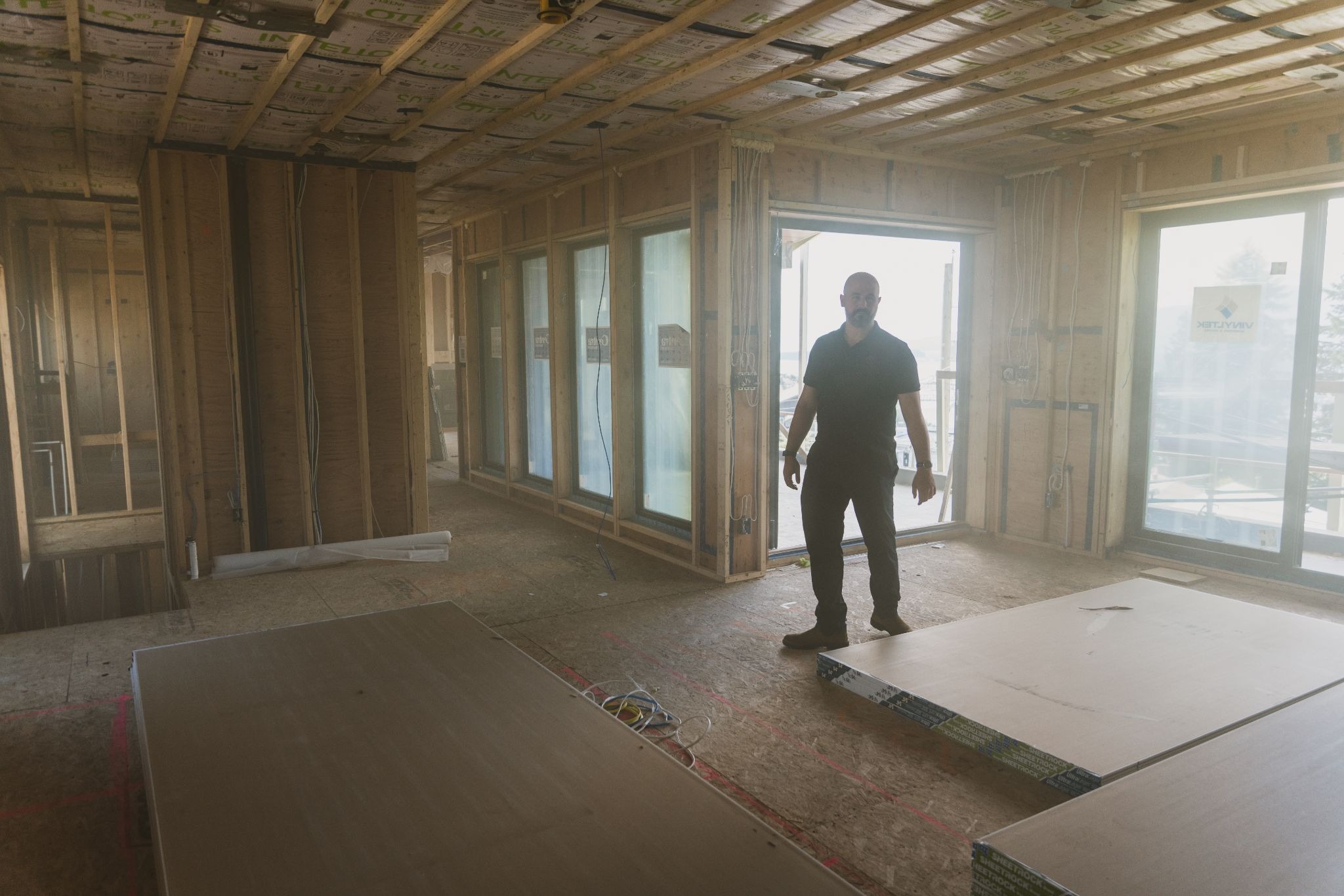
A general contractor coordinates many trades on a busy renovation site so work happens safely and in the right sequence.
In Vancouver, the City’s inspection stages guide lists 21 separate inspection stages for a new single detached house or duplex, many of which also apply to major renovations, your GC coordinates the ones that apply to your project.
On a whole-home renovation or custom build, that often means coordinating 20–30-plus trade companies, from framing and electrical to plumbing, HVAC, millwork, drywall, painting, and more.
In British Columbia, most new residential builders must be licensed with BC Housing’s licensed builder registry, so many homeowners start by confirming that a company is an established general contractor. As a long-time Vancouver design-build GC, TQ Construction fills this role on every renovation and custom home we build.
How general contractors usually structure their contracts
Most general contractors work under either a fixed-price (lump sum) contract or a cost-plus contract with a management fee. On larger projects, you might see allowances for finishes or contingencies. The GC signs and manages the subcontracts with each trade on your behalf, so you aren’t juggling many separate agreements.
For many families we meet in Burnaby, Vancouver, and the North Shore, the GC is the main point of contact from demolition to final walkthrough, supported by a dedicated project manager and a clear step-by-step process.
What does a construction manager do?
A construction manager (CM) handles many of the same day-to-day tasks as a general contractor, but the relationship and contract structure are different. Instead of quoting a single price to build your project, the CM is often hired earlier in planning and paid a transparent management fee.
Construction manager vs general contractor in practice
- Timing: A CM often comes on board when design is still in progress to advise on cost, schedule, and buildability.
- Compensation: The CM is commonly paid a fee (percentage or fixed amount) for managing the project, with trade costs passed through to you.
- Procurement: Homeowners may have more say in which trades are selected and may see individual trade quotes.
Construction management tends to show up more on larger, commercial-style projects, but you may hear the term on large custom homes or multi-phase renovations. In many residential settings, “general contractor” is still the job title homeowners use, even when the contract looks closer to construction management.
Whether the role is labelled GC or CM, the key for homeowners is clear: who is accountable for schedule, budget, trades, and site safety? At TQ Construction, those responsibilities sit with our in-house project management team, with one senior contact responsible for your overall result.
What does an architect or residential designer do?
Architects are trained and registered to design buildings, handle planning and zoning issues, and produce the permit and construction drawings that define your home structurally and spatially. For many projects in the City of Vancouver, an architect or other registered professional prepares the permit set and coordinates with the building permit office.
Where architects or residential designer focus their time
- Understanding your goals, site, and municipal rules.
- Shaping the overall form of the house or addition, including exterior appearance and rooflines.
- Creating floor plans, elevations, and technical drawings for permits.
- Coordinating with structural and other engineers.
- Addressing zoning by-laws and working with city staff through reviews.
What architects or residential designer usually don’t handle on their own
- Hiring and managing trades or site crews.
- Day-to-day scheduling, deliveries, and inspections.
- Detailed interior specifications like cabinet inserts, grout colours, and hardware, unless interior design is included in their scope.
What does a residential or interior designer do?
Designers sit closer to how you live in the home every day. On our Greater Vancouver projects, homeowners lean on designers for the many decisions that turn plans into a finished kitchen, bathroom, or whole house.
Typical responsibilities for designers
- Refining layouts for kitchens, bathrooms, and living areas for better flow.
- Selecting finishes: flooring, tile, countertops, cabinetry, hardware, and paint colours.
- Designing millwork and storage for real-life use.
- Planning lighting layers and fixture locations.
- Helping you visualise how all the elements tie together.
Some designers are independent and hand off drawings to a separate general contractor. In a design-build firm like TQ Construction, designers and project managers work together from day one, so layouts, finishes, and construction details are coordinated instead of passed between separate companies.
In our renovation portfolio, you’ll see how strong design and disciplined construction go hand in hand.
General contractor vs construction manager vs architect vs designer: key differences

Architects, designers, and builders each focus on different pieces of the planning and construction puzzle.
Common misconceptions about general contractors
- “My GC will automatically handle all design.” Some GCs offer integrated design-build, but many only build from drawings. Always confirm whether design, permits, and engineering are included in your contract or provided by separate professionals.
- “General contractors just call trades and add a markup.” A good GC plans the work, manages safety, inspections, quality, budget, and schedule, and coordinates many specialized trades on a single major renovation.
Who leads each phase of a typical Vancouver renovation?
Where design-build fits in: one team for design and construction
Design-build brings design professionals and general contractors together under one contract from early planning through construction and warranty.
At TQ Construction, designers, estimators, and project managers collaborate from the first meeting, with architects and engineers joining as needed. Clients usually value:
- Clear contact for design questions, construction updates, and budget decisions.
- Design aligned with real construction costs and local building practices.
- A process that links concept, permitting, and construction into one clear path.
Design-build in a sentence: One contract, one team, one point of accountability for both design and construction.
Mini case study: historic Shaughnessy kitchen opened up
In a Shaughnessy character home, we opened a closed-off kitchen to the main floor and coordinated structure, millwork, and permits as one team. View this heritage renovation.
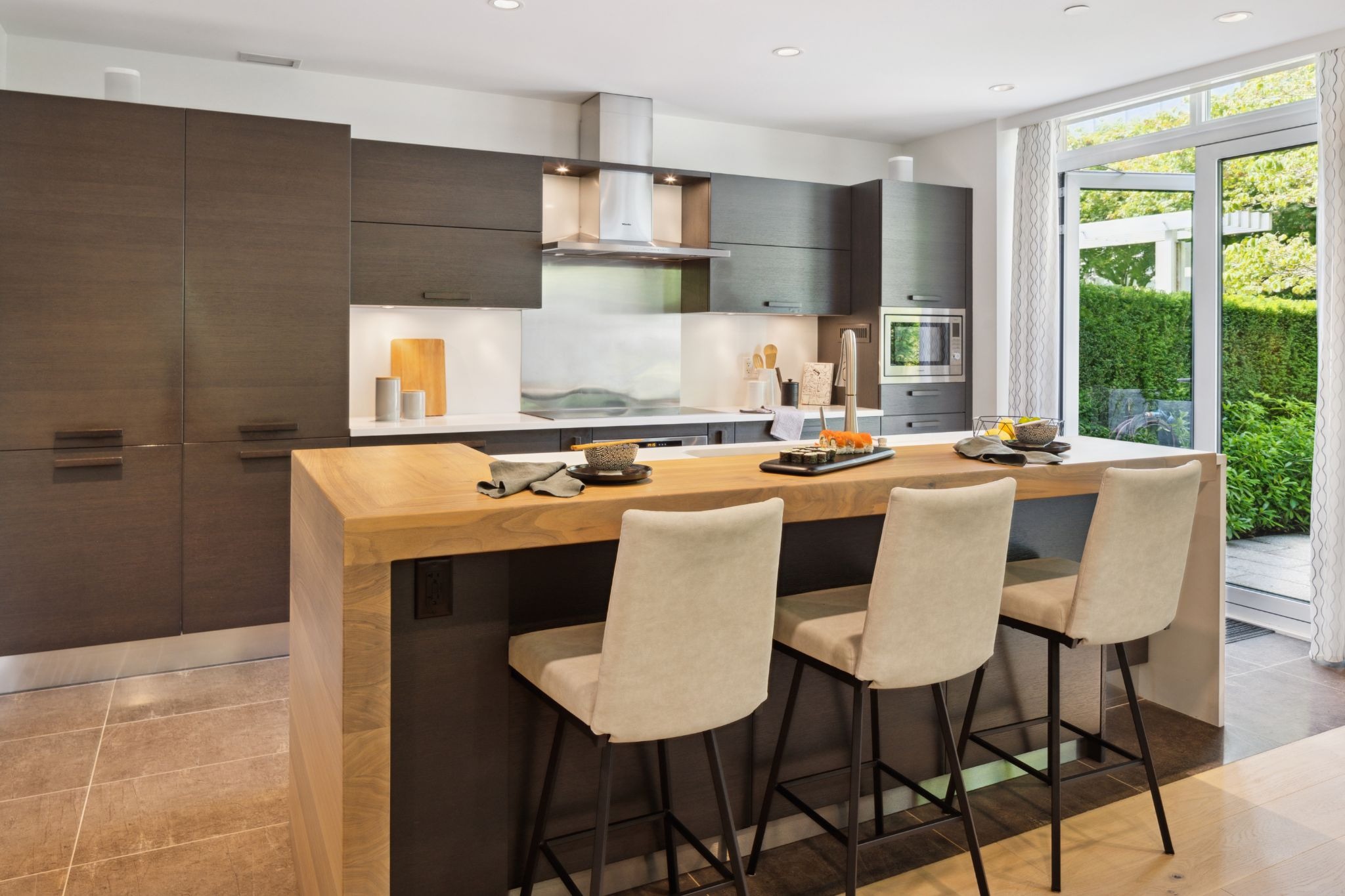
A coordinated design-build team turns detailed plans into a finished, open-concept living space.
If you’re just starting to plan, CHBA BC explains how licensed builders and design-build firms operate.
You can also download TQ Construction’s renovation guide and explore our construction and renovation blog for more on bylaws, budgeting, and timelines.
How to choose the right mix of general contractor, architect, and designer
The right team depends on your scope and municipality; for Greater Vancouver homes, think in three levels:
The 3-Level Team Model for Vancouver Home Projects
- Level 1 – GC + Designer: For smaller interior renovations (a single bathroom or straightforward kitchen), a GC plus an interior or kitchen designer is often enough when you’re not moving structural walls or altering the exterior.
- Level 2 – Architect + GC + Designer: For full-house renovations, additions, major layout changes, or exterior updates, you typically need an architect or building designer, a GC, and an interior designer collaborating from early design through permits.
- Level 3 – Integrated Design-Build Team: For full-house transformations, character and heritage homes, or custom builds, a design-build firm like TQ Construction wraps design, permitting support, and general contracting into one team and contract, simplifying coordination and accountability.
Whichever path you choose, ask any prospective general contractor:
- Which parts of the work do you self-perform, and which do you subcontract?
- Who will be my day-to-day contact once construction starts?
- How do you handle change orders and unforeseen site conditions?
- How often will I receive schedule and budget updates?
- How do you coordinate with my architect and designer, if they’re separate firms?
To see real examples, explore our project portfolio of Metro Vancouver homes.
FAQs: what do general contractors do on a renovation?
Do I still need a general contractor if I hire an architect first?
Yes. Your architect designs the project and prepares drawings, but you still need a builder to price the work, hire and coordinate trades, and manage the site day to day. That construction-management role is your general contractor.
Can my general contractor help with permits?
Many general contractors help coordinate building permits in partnership with your designer or architect, especially for renovations in cities like Vancouver, Burnaby, and New Westminster. In Vancouver, for example, the City’s single detached house inspection stages guide lists many inspection checkpoints, and your GC helps schedule the ones that apply and prepare the site. The registered professional usually signs and seals the drawings, while your GC supports documentation, inspections, and keeping work aligned with municipal requirements.
What a general contractor does that homeowners don’t always see
From the outside, it can look like a GC mostly “calls trades,” but behind the scenes they’re verifying dimensions, sequencing work, tracking deliveries, and meeting inspectors. They’re also troubleshooting weather delays, back-ordered items, and hidden conditions before they turn into costly problems. That quiet problem-solving is a big part of the value GCs bring to complex renovations.
How can I check if a builder is properly licensed in BC?
For new home construction in British Columbia, you can look up companies in the BC Housing licensed builder registry. It’s also reassuring to see membership in local industry groups, such as the Homebuilders Association Vancouver (HAVAN) or CHBA BC, and a strong track record of completed projects and awards, like those in TQ Construction’s awards and recognition.
Talk with TQ Construction about your project
Whether you’re planning a full-home renovation, a character-home upgrade, or a custom build, getting clear on who does what early saves stress later. If you’d like to explore how a design-build general contractor can support your project from first ideas to final handover, our team is ready to talk.
Request a Free Consultation to share your goals, budget, and timeline. We’ll outline our process, clarify which roles your project needs, and help you decide whether TQ Construction is the right fit.
This article is for general information about residential construction in Metro Vancouver and is not a substitute for project-specific professional advice. Every home and municipality is a little different; always confirm requirements with your design and building team.