

A durable bathroom remodel balances waterproofing, ventilation and quality fixtures with a clean, modern look.
If you’re wondering how to remodel a bathroom so it still feels solid and dry 10–20 years from now, you’re already thinking like a pro. In Metro Vancouver’s damp climate, a bathroom isn’t just a pretty room; it’s a mini mechanical space that has to manage water, steam, and daily wear.
Homeowners usually start with questions like “How much to remodel a bathroom?” or “Is it worth redoing everything if I upgrade waterproofing and ventilation?” This guide walks through the key decisions, realistic cost ranges, and the behind-the-wall details that separate a short-term facelift from a renovation that holds up over decades.
TL;DR: Bathroom remodel for durability
- Typical Metro Vancouver costs: Often from $30,000–$60,000+ for a full 3-piece bathroom with quality waterproofing, ventilation and fixtures, depending on size, selections and site conditions.
- Biggest longevity wins: Proper shower pan and membrane, correctly detailed tile backer, fan ducted outside with the right CFM, and solid mid-to-high quality fixtures.
- Best first step: Clarify scope and budget with an experienced design-build team before picking tile or fixtures.
Thinking about a bathroom remodel in Vancouver or Burnaby? Request a Free Consultation with TQ Construction.
What most people really mean by “remodel a bathroom”
When homeowners say they want to remodel a bathroom, they usually mean more than swapping out a faucet. In a typical Metro Vancouver home, a “real” bathroom renovation often includes:
- Updating the tub or shower (sometimes converting a tub to a walk-in shower)
- New tile on floors and wet walls
- New vanity, countertop, sink, toilet and lighting
- Better storage and a more functional layout
- Upgraded waterproofing, ventilation and plumbing fixtures
The last three items are what protect your investment. Fresh tile over old, failing waterproofing won’t help much. That’s why a whole-home or major renovation contractor will talk first about what’s behind the tile, not just what you see in photos.
How much to redo a bathroom in Metro Vancouver?
The honest answer to “How much is it to remodel a bathroom?” is: it depends on scope, existing conditions, and finish level. But there are helpful ballparks for a professionally managed, code-compliant renovation.
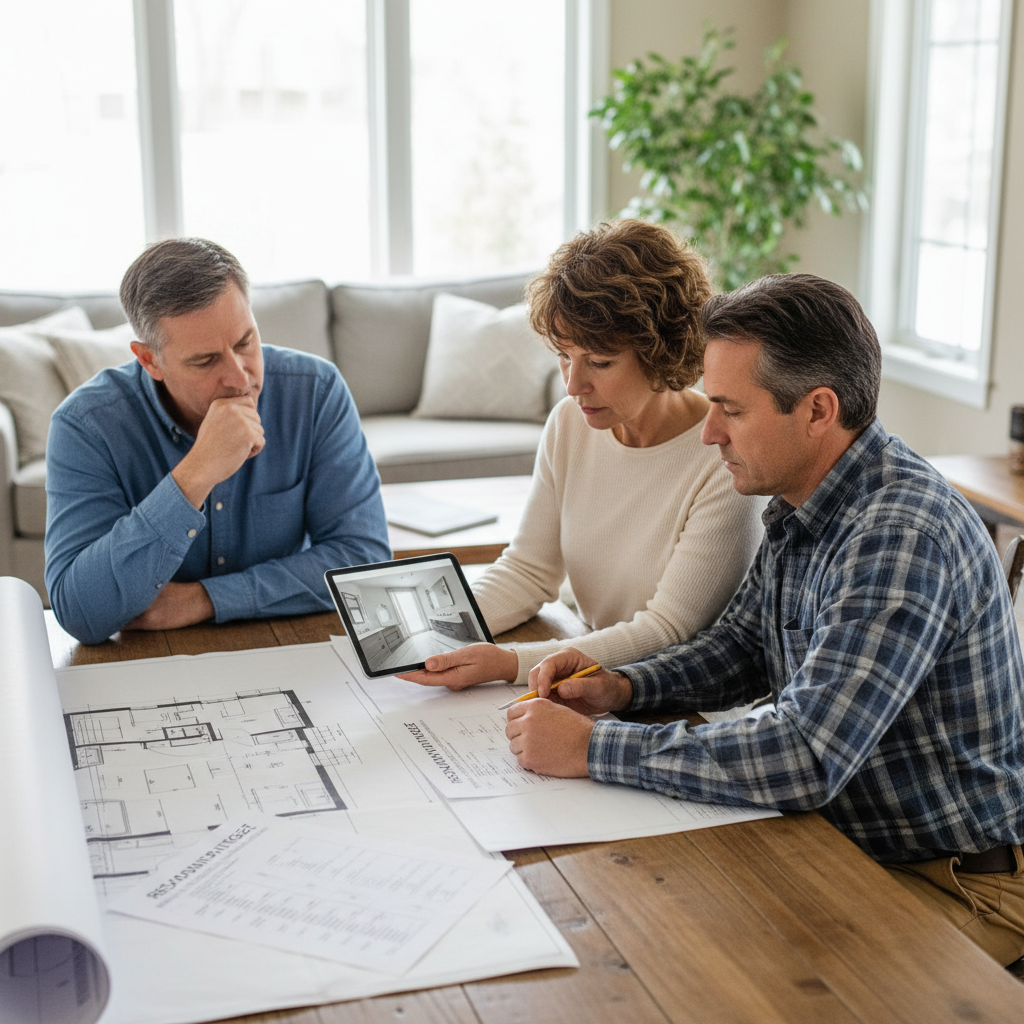
Clarifying scope and budget with a professional early on helps align your bathroom remodel costs with your goals.
1. Cosmetic “refresh” (keeping layout and fixtures)
This level is closer to a spruce-up and usually does not include new waterproofing.
- Painting, new mirror, accessories
- Possibly re-facing a vanity and replacing countertop
- Simple fixture swaps where plumbing rough‑in stays the same
Approximate range: Often under $15,000 for a small bathroom, assuming no major repairs. This can look better, but it won’t solve hidden moisture concerns.
2. Full gut with upgraded waterproofing and ventilation
This is where long-term durability truly comes in. A typical 3-piece bathroom (vanity, toilet, tub/shower) might include:
- Stripping finishes back to framing in wet areas
- New plumbing rough‑ins where needed
- Modern shower pan or tub, waterproofing membrane, and tile backer
- New exhaust fan sized to the room and ducted outside
- New vanity, toilet, lighting, tile, and heated floor (in many projects)
Approximate range: Many Metro Vancouver homeowners investing in quality work and finishes can expect $30,000–$60,000+ for this level, especially in older homes where surprises behind the walls are common.
3. High-performance or aging‑in‑place bathroom
For clients planning to stay long term, or building a main-floor or ensuite bathroom with aging‑in‑place in mind, scope can include:
- Curbless shower and larger format tile
- Reinforced walls for future grab bars
- Higher-end fixtures with better warranties and repairability
- Improved lighting layers for visibility and safety
*Planning ranges only; actual budgets depend on site conditions, design decisions, and municipal requirements.
Key cost drivers in a bathroom remodel
When you look at the ranges above, most of the variation comes from a small set of decisions. Understanding these cost drivers early helps you choose where to invest for durability and where to keep things simple.
- Scope and layout changes. Moving a toilet, enlarging a shower, or borrowing space from a closet adds plumbing, framing and finishing time compared with reinstalling fixtures in the same locations.
- Age and condition of the home. Older Metro Vancouver houses can reveal moisture damage, outdated wiring, or asbestos that must be addressed before new finishes go in.
- Waterproofing and performance upgrades. Curbless showers, in-floor heat, and premium membranes cost more up front, but they reduce long-term risk, maintenance, and cold‑floor complaints.
- Fixtures and finishes. There is a wide spread between entry-level and designer fixtures, tile, glass and cabinetry—even when the layout is identical.
- Access, permits and inspections. Condo work, tight urban sites, and complex municipal approvals can extend schedules and labour, pushing up the final number.
A good design‑build contractor will walk you through these trade-offs so your budget lines up with how long you plan to stay in the home and how important long-term durability is to your family.
These ranges are for planning only, based on typical professional projects in our region. To pin down how much to remodel a bathroom in your specific home, you’ll want a detailed conversation with a design‑build contractor and a written scope. TQ starts that process in an early design and budgeting phase so there are fewer surprises later.
Planning a durable bathroom renovation: step-by-step
A bathroom remodel touches structure, plumbing, electrical and sometimes ventilation ductwork. Here’s a simple order-of-operations that keeps durability front and centre:
- Clarify your goals. Is this a family bath for kids, a main ensuite, or a future-friendly space for aging in place?
- Set a realistic budget range. Decide whether you’re closer to a cosmetic refresh or a full re-build with waterproofing and layout changes.
- Assess existing conditions. In older Vancouver homes, past renovations, moisture damage, and asbestos may affect scope and cost.
- Work through design and layout. A thoughtful plan can fix awkward storage, cramped tubs, and poor lighting before a single tile is ordered.
- Confirm permits and code requirements. Bathrooms frequently trigger permit needs for plumbing, structural changes, electrical and ventilation. Your contractor should guide you here.
Our team typically handles this through an integrated design‑build renovation process, so design, costing, and construction stay aligned from day one.
Typical timelines for a bathroom remodel
Every home is different, but a durable, professionally managed bathroom remodel usually unfolds over several stages. Early planning and design often take a few weeks as you clarify goals, review layout options, and make key fixture and finish selections. This is also when your contractor can flag structural, plumbing or ventilation upgrades that may affect schedule.
Permitting and approvals can add more time, especially if you’re in a multi-family building or making structural changes. Once work on site begins, many 3-piece bathroom remodels take several weeks of active construction, from demolition and rough-ins through waterproofing, tile, and final fixtures. Complex layouts, custom millwork or multiple bathrooms renovated at once can extend that timeline, but a clear schedule from your contractor will help you understand what to expect at each step.
Why waterproofing makes or breaks the project
Vancouver’s moisture and driving rain mean bathrooms already work harder than in many other parts of Canada. When waterproofing is weak, you might not see issues for a few years, but framing, subfloors, and insulation can be quietly soaking up water behind the finishes.
In a durable bathroom remodel, we typically look at:
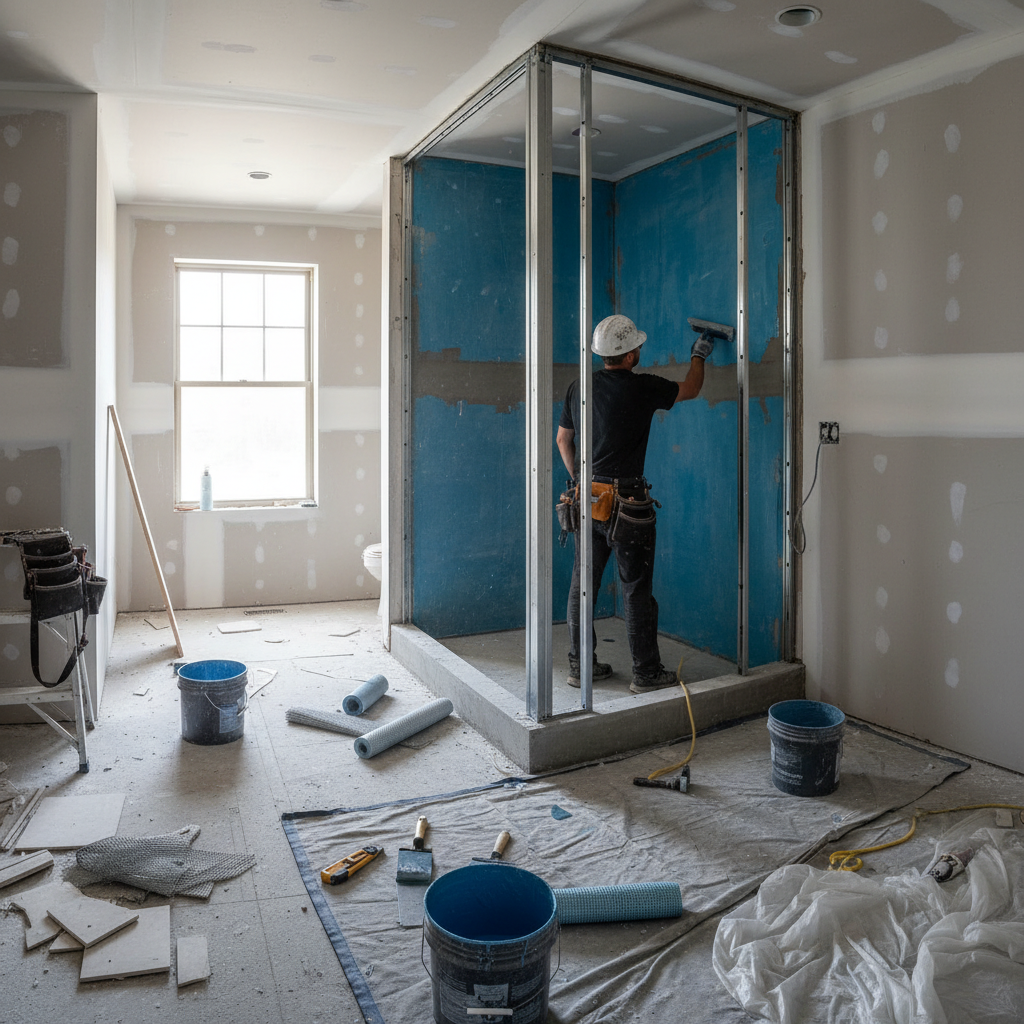
Behind the tile, a continuous waterproofing system protects framing and subfloors from long-term moisture damage.
- Shower bases and pans: Proper slope to drain, continuous membrane, and solid integration with walls and glass.
- Wall assemblies: Cementitious or other approved backer boards in wet zones, with a consistent waterproofing system (not a patchwork).
- Floors: Membrane or suitable underlayment, especially near showers, tubs and toilets.
- Windows and niches: Thoughtful detailing and drainage paths wherever horizontal surfaces meet tile and glass.
Good tile and grout are only as reliable as the system under them. That’s why an experienced contractor will specify and install a complete waterproofing approach, and follow guidance from resources like the BC Building Code and manufacturer installation manuals, rather than “winging it” on site.
Note: Structural work, plumbing and electrical must be completed by qualified, licensed professionals. This article is for general information and planning only.
Getting ventilation right in a damp climate
If you’re redoing your bathroom and still wiping condensation off the mirror 30 minutes after a shower, you’re leaving performance on the table. A proper exhaust fan setup is one of the lowest‑profile, highest‑impact parts of the project.
Key questions to tackle during design:
- Is the fan sized correctly? Square footage, layout, and ceiling height all affect required airflow (measured in CFM).
- Where does it exhaust? Fans should vent to the exterior, not an attic or crawlspace, to keep moisture out of building cavities.
- How noisy is it? Quieter fans get used more often; that alone can help keep mould and mildew in check.
- How is it controlled? Timers or humidity sensors can run the fan long enough to clear steam after a shower.
National and provincial building codes, along with guidance from organizations like CMHC, set minimum standards for ventilation. In practice, many older homes fall short, so a bathroom renovation is a smart time to correct that.
Picking fixtures and finishes that last
Fixtures are the parts you touch every day, so when you think about how much to remodel a bathroom, focus on lifecycle, not just sticker price.
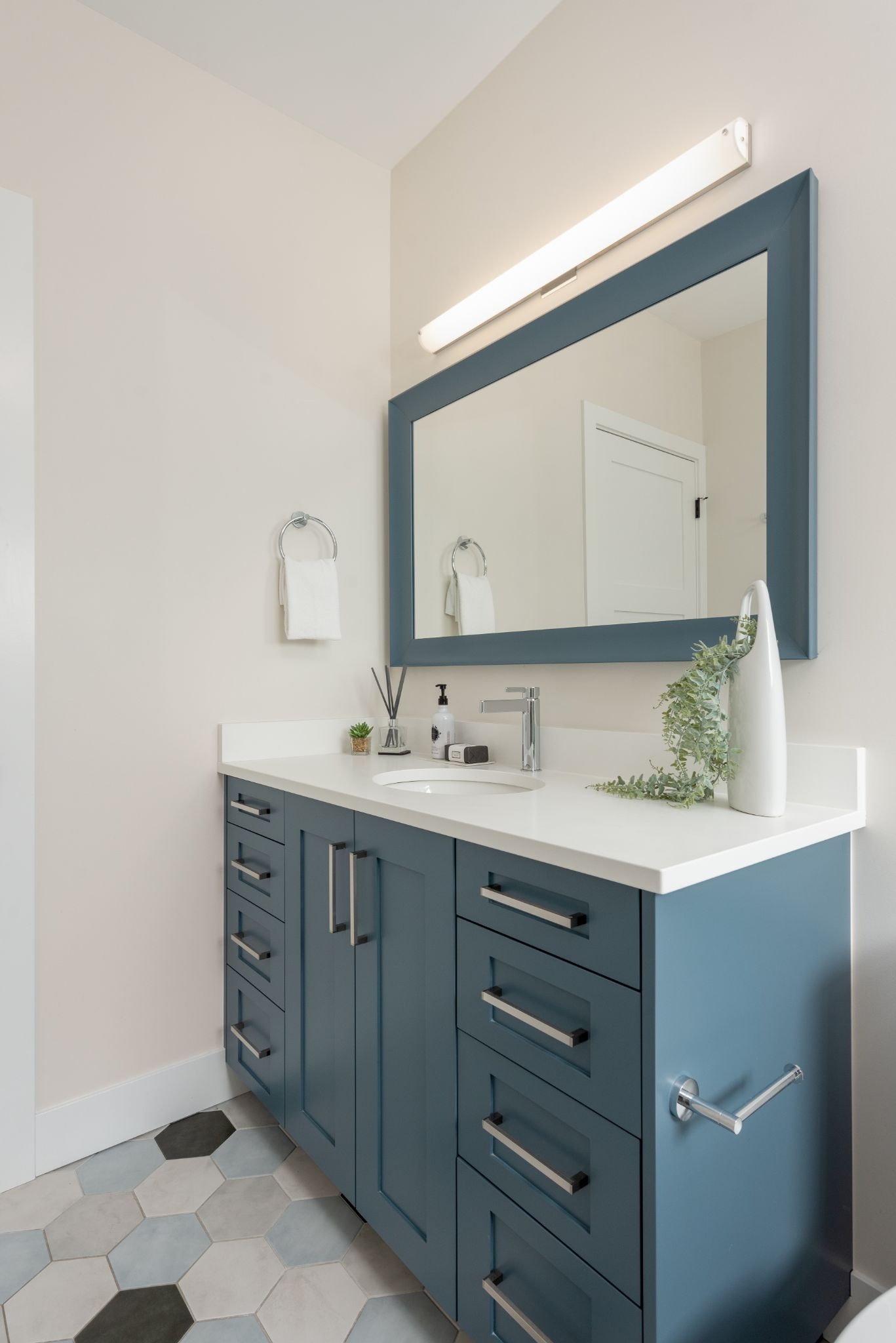
Spending wisely on reliable fixtures and thoughtful storage keeps a remodeled bathroom comfortable and functional for years.
- Shower valves and faucets: Look for solid brass or well‑engineered bodies, replacement parts availability, and strong warranties.
- Toilets: Reputable brands, efficient flush ratings, and parts that are easy to source locally.
- Flooring: Porcelain tile resists moisture well and works nicely with in-floor heat when detailed correctly.
- Lighting: Layered lighting (task, ambient, accent) makes the space safer and more comfortable to use.
- Storage: Deep drawers, medicine cabinets, and well-placed niches cut down on clutter on counters and tub edges.
A design‑build team can help balance looks, function and longevity, then connect everything back to your overall renovation plan and budget.
DIY vs. hiring a design‑build contractor
Some homeowners are handy and ready to roll up their sleeves. Painting, simple hardware updates, or replacing a mirror may be realistic DIY tasks.
But once you’re opening walls, moving plumbing, or changing ventilation, the stakes go up. Mistakes with waterproofing or electrical work can be expensive to fix and may affect insurance or resale.
A professional design‑build contractor can:
- Coordinate design, permits, engineering, and inspections
- Sequence trades so plumbing, electrical, tile and cabinetry work together
- Stand behind the finished bathroom with a clear warranty
For many families, that peace of mind is a big part of the answer to “How much to redo a bathroom?”—you’re investing in both the finished space and in how smoothly the project runs.
How TQ Construction approaches long-lasting bathrooms
Since the mid‑1980s, TQ Construction has been renovating homes and bathrooms across Vancouver and Burnaby with a focus on long-term livability, not quick fixes. Our in‑house team of designers, project managers and carpenters works together from first sketches through completion.
On a typical bathroom remodel, we:
- Start with discovery and budgeting, so scope and cost line up early
- Review structural, plumbing and ventilation needs in the context of your whole home
- Use proven waterproofing and installation systems, not shortcuts
- Help you choose fixtures and finishes that fit your goals and maintenance tolerance
If you’re planning a bathroom renovation as part of a larger whole‑home upgrade or a focused ensuite project, we can walk you through what’s realistic for your budget and timeline.
Request a Free Consultation to talk through your bathroom, or browse our bathroom renovation projects for ideas.
Key takeaway: budget for the invisible work
When you think about how much to remodel a bathroom, set aside a healthy share of the budget for waterproofing, ventilation, structure and quality fixtures. Those “invisible” pieces are what keep the room feeling solid, smelling fresh, and working well for years—long after this year’s tile trends have changed.