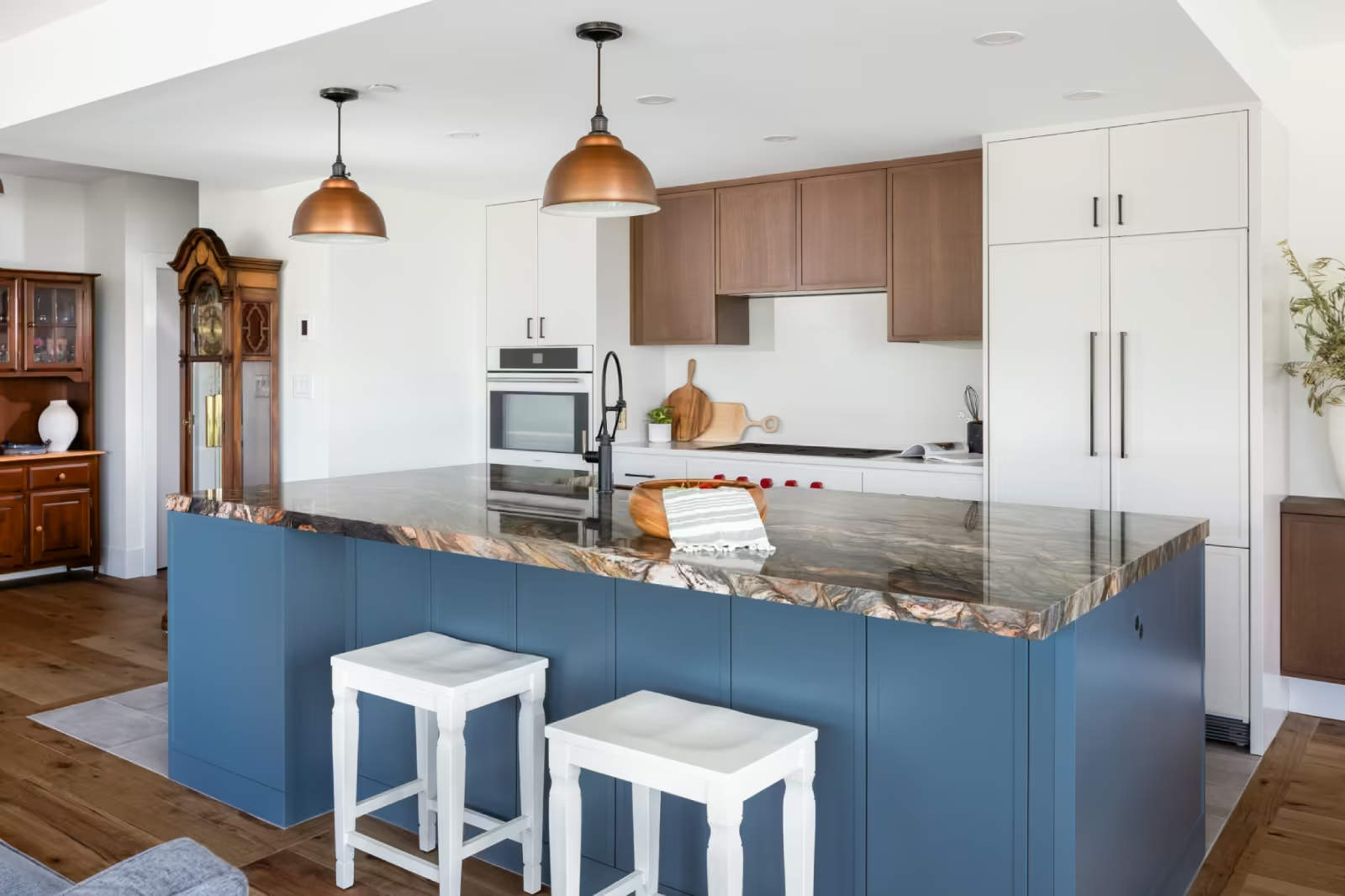




Planning your home renovation timeline starts with clear goals, drawings, and a shared calendar.
TL;DR: Renovation timeline at a glance
- Big projects in Metro Vancouver often run 9–18 months from first conversation to move-in, depending on scope and municipality.
- Plan for four main phases: discovery & design, permits, construction milestones, and inspections & handover.
- Permits and inspections are not paperwork in the background; they set the pace of your construction schedule.
- A design-build contractor manages drawings, permits, inspections, trades, and sequencing under one plan, so your days are less chaotic.
Most homeowners don’t get tripped up by tile choices. The real stress tends to show up when a “three-month” renovation is still going on in month six because of permits, inspections, or out-of-order work. In Greater Vancouver, where each municipality works a little differently and the BC Building Code sets strict safety and energy rules, a solid timeline is your best friend.
This guide walks you through how permits, inspections, and construction sequencing fit together so you can talk timelines with your builder and feel confident they’re realistic for your home, your family, and your city.
The big picture: what a realistic renovation timeline looks like
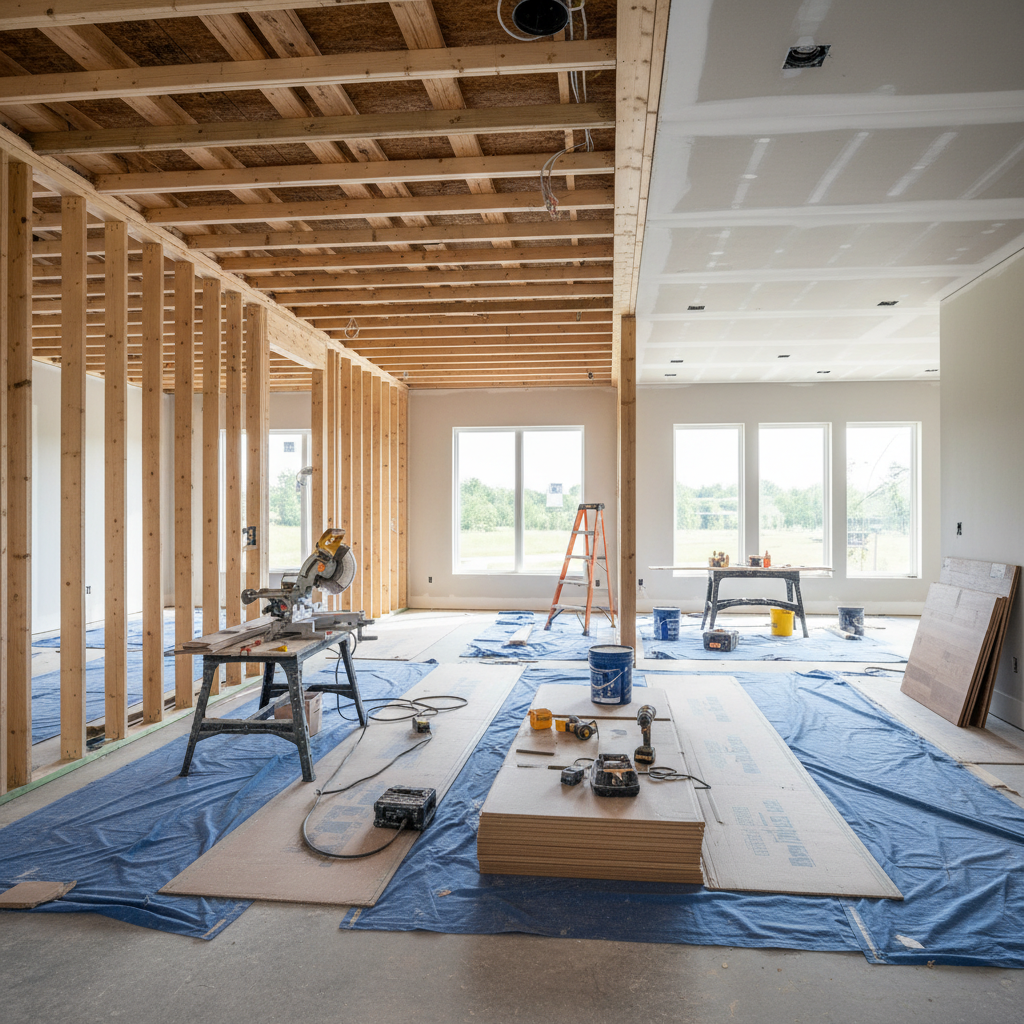
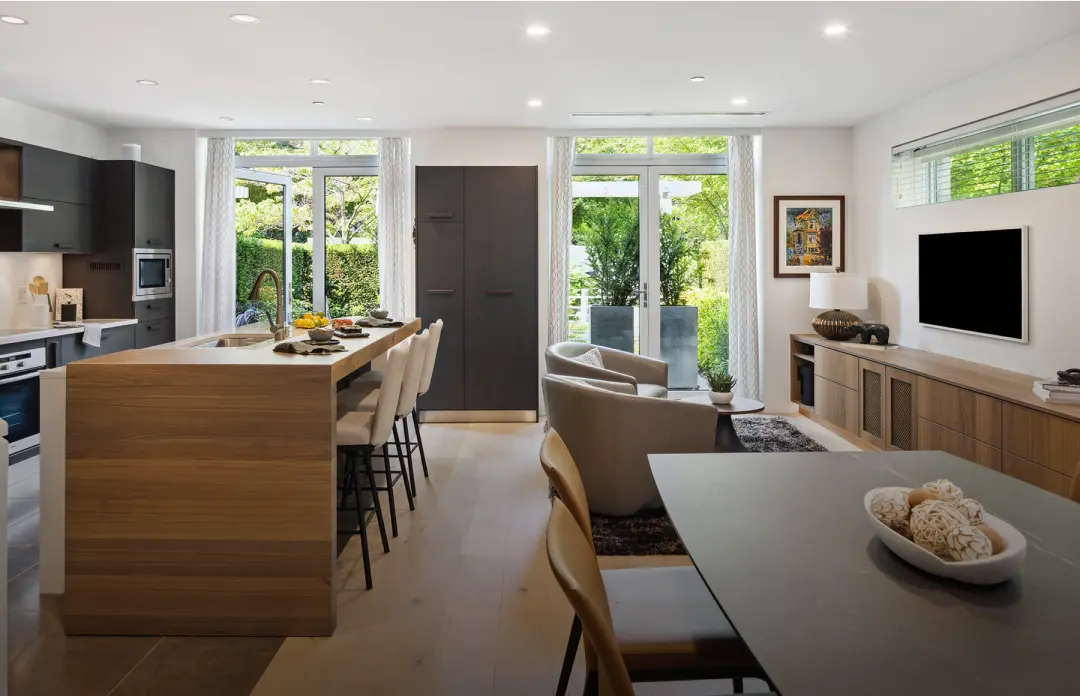
A realistic renovation timeline moves through clear construction milestones, from demolition to finished spaces.
Let’s start with expectations. For a whole-home renovation in Metro Vancouver, you’re usually looking at:([tqconstruction.ca](https://www.tqconstruction.ca/services/whole-home-renovations?utm_source=openai))
- Discovery & concept design: 4–12 weeks
- Detailed design, selections & pricing: another 4–12+ weeks
- Permits & municipal approvals: roughly 3 weeks to several months, depending on city, scope, and whether you qualify for fast-track streams
- Construction: 3–9+ months for most substantial renovations, longer for very large or complex homes
- Final inspections & tune-ups: 2–6 weeks
Smaller projects, like a partial renovation, might be on site for only 4–12 weeks, but the early planning and permit work still adds time before trades ever step inside.
“A realistic renovation timeline starts months before demolition and continues beyond move-in.”
Do you need a permit? How permits shape your schedule
Projects that usually need building permits
In most Metro Vancouver municipalities, you typically need a building permit if your renovation:
- Changes the structure (removing or adding walls, new beams, adding a storey or extension)
- Alters plumbing, electrical, gas, or HVAC systems
- Changes window or door sizes/locations on the exterior
- Creates a new secondary suite or significantly reconfigures rooms
- Includes major exterior changes or additions such as decks, carports, or dormers
The City of Vancouver and cities like Burnaby publish detailed lists of when permits are required, and they both now offer online application systems that influence how quickly your project can move.
Projects that may not need full permits
Purely cosmetic updates, such as repainting, swapping like-for-like flooring, or replacing cabinets without moving plumbing or walls, may not trigger a building permit. Every municipality sets its own thresholds, so your contractor or designer should confirm with the local building department before work starts.
How permit timelines affect your renovation schedule
Permits sit in the middle of your renovation timeline. In Vancouver, simple interior renovations that meet the Residential Renovation Fast Track criteria can be approved within about three days, while more complex projects still take longer. In other municipalities, standard renovations can run from a few weeks to several months depending on workload and complexity.
The key is to treat permits as their own phase, not as background paperwork. Your design-build team should submit a complete, code-compliant package, then line up trades and material orders so construction can begin shortly after approval.
Step-by-step: planning your home renovation timeline
Phase 1 – Discovery, goals & early budget (2–6 weeks)
This is where you define what you want life in your renovated home to feel like. A good contractor will walk through your house, talk through must-haves and nice-to-haves, and give you a ballpark range based on similar projects. TQ’s design-build process starts with this kind of discovery, so scope, budget, and timeline land in the same conversation.
Phase 2 – Design, selections & detailed pricing (4–12+ weeks)
Once you’re aligned on scope, the design team develops floor plans, elevations, and sometimes 3D views. You’ll choose fixtures, finishes, and key systems (windows, insulation strategy, heating, and cooling), which all tie directly into pricing and energy requirements under the BC Building Code and, where applicable, the BC Energy Step Code.
A detailed design phase saves time later because drawings, structural details, and specifications are ready for both municipal reviewers and trades.
Phase 3 – Permit submission & approvals (3 weeks to several months)
With drawings and engineering in hand, your builder submits for the appropriate permits (and strata approvals if needed). During this time, your team can fine-tune schedules, confirm material lead times, and plan site logistics. In cities that offer fast-track renovation permits, simpler projects may be approved surprisingly quickly; more complex files still require patience.
Phase 4 – Construction milestones & inspections
Here’s a simplified sequence for a typical major renovation:
- Site preparation & protection – Dust walls, floor protection, temporary partitions, and safety measures
- Demolition & structural work – Safe removal of old finishes, then framing or structural changes
- Rough-ins – Plumbing, electrical, HVAC, gas, low-voltage, and any new venting
- First round of inspections – Framing, plumbing, electrical, mechanical, and sometimes energy-related items
- Insulation, vapour barrier & air sealing – Then insulation/air-tightness inspections where required
- Drywall, flooring & millwork – Walls close up, cabinets and built-ins go in
- Interior finishes – Tile, trim, doors, paint, countertops
- Fixtures & final connections – Lighting, plumbing fixtures, appliances, smart home systems
- Final inspections & occupancy – Wrap-up with punch list and warranty handover
Each step depends on the last. When work happens out of sequence (for example, finishing floors before heavy drywall or millwork), that’s when damage, delays, and rework sneak in.
Inspections and how they control the pace of work
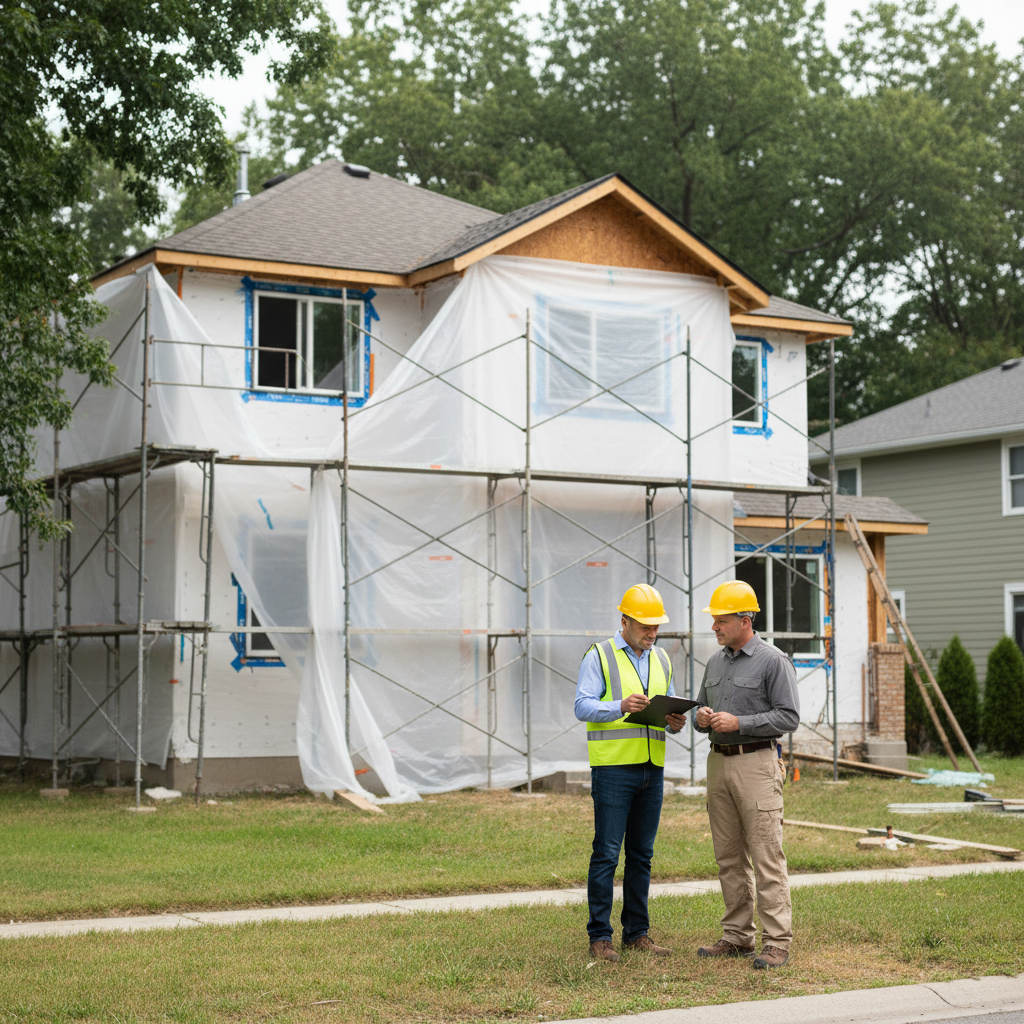
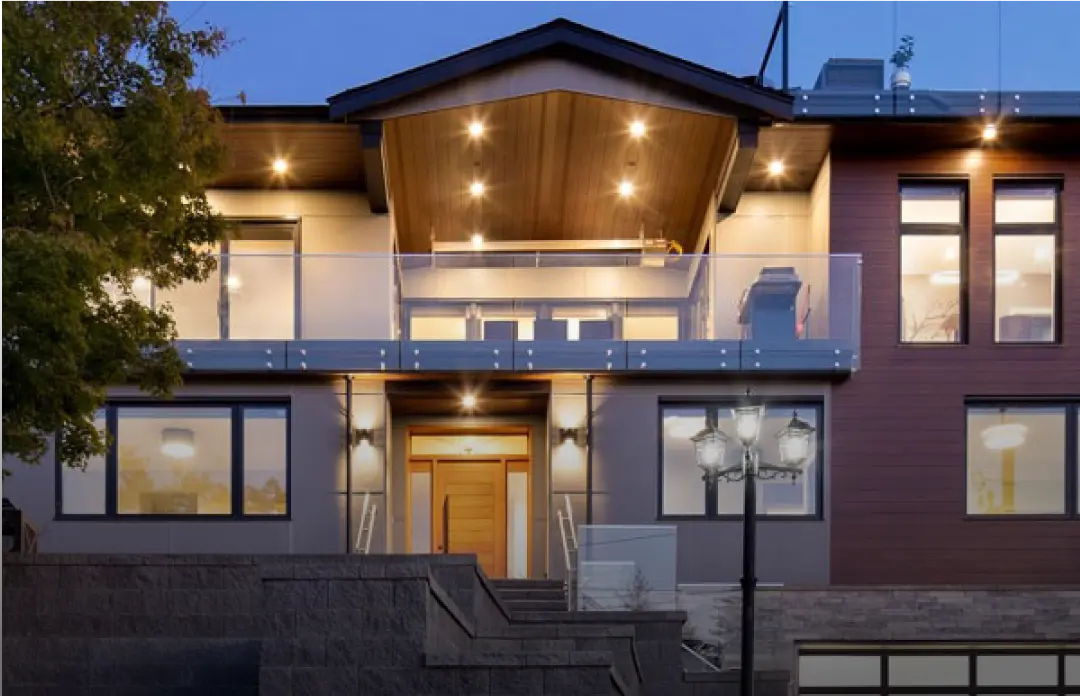
Permits and inspections create key checkpoints that shape your renovation schedule.
Typical inspections in a Vancouver renovation
Inspections confirm that your project meets the BC Building Code and local bylaws. In a significant renovation, you can expect checks such as:
- Building/framing inspection
- Plumbing and gas rough-in inspections
- Electrical rough-in inspection
- Insulation, vapour barrier, and sometimes air-tightness checks
- Final building, plumbing, and electrical inspections before occupancy
Who books inspections, and how long do they take?
Your contractor should handle inspection bookings and coordinate them with the construction schedule. Municipalities like Vancouver and Burnaby allow online booking and rescheduling, and inspectors may need anywhere from a couple of days to a week’s notice depending on workload.
What if an inspection doesn’t pass?
When an inspector flags an issue, your team addresses the items, then rebooks the inspection. In many cases, this is a short delay; in bigger issues (for example, hidden structural conditions), it can ripple through the schedule. This is one reason experienced renovation teams build buffers into the timeline instead of planning every day down to the hour.
Sample timelines for common Vancouver renovation projects
These examples are for planning conversations only, based on typical projects TQ Construction has completed across Metro Vancouver. Actual timelines depend on scope, municipality, site conditions, and decision-making speed.
1. Kitchen or main-floor renovation in a single-family home
- Design & selections: 4–8 weeks
- Permits (if required): roughly 3–8+ weeks
- Construction: 8–12 weeks on site for many mid-range kitchens or main-floor reconfigurations
This assumes structural work is manageable and inspections pass without major revisions.
2. Whole-home renovation with owners moving out
- Design & planning: 8–16 weeks
- Permits & approvals: 2–6+ months depending on city and complexity
- Construction: 6–9+ months, especially if you’re reconfiguring layouts or modernizing an older structure
From the first discovery meeting to move-in, families often plan for 12–18 months for a full-home renovation of this scale.
3. Strata or heritage projects
For condos, townhomes, or heritage houses, expect extra layers:
- Strata approvals and bylaws (noise windows, working hours, elevator bookings)
- Heritage or character-home considerations for exterior changes
- More constraints on sequencing inside the building
These projects can match or exceed whole-home schedules even if the square footage is smaller, simply because more parties are involved.
Ways to keep your renovation on schedule (without cutting corners)
- Lock in scope before permits. Big changes after drawings go to the city can mean revisions, extra reviews, and new inspections.
- Make key selections early. Cabinets, windows, plumbing fixtures, and tile all have lead times that shape the schedule.
- Use one integrated team. A single design-build contractor managing design, permits, and construction reduces gaps between drawing intent and site realities.([tqconstruction.ca](https://www.tqconstruction.ca/design-build-renovation-process/?utm_source=openai))
- Plan for where you’ll live. Deciding whether you’ll stay, partially move out, or relocate during construction affects phasing, noise, and safety.
- Hold a time and cost contingency. Weather, supply issues, or unexpected structural findings happen, especially in older Vancouver houses.
- Ask for a written schedule. It should show milestones, inspection points, and key decision dates, and be updated as the project progresses.
How a design-build team keeps permits & trades in sync
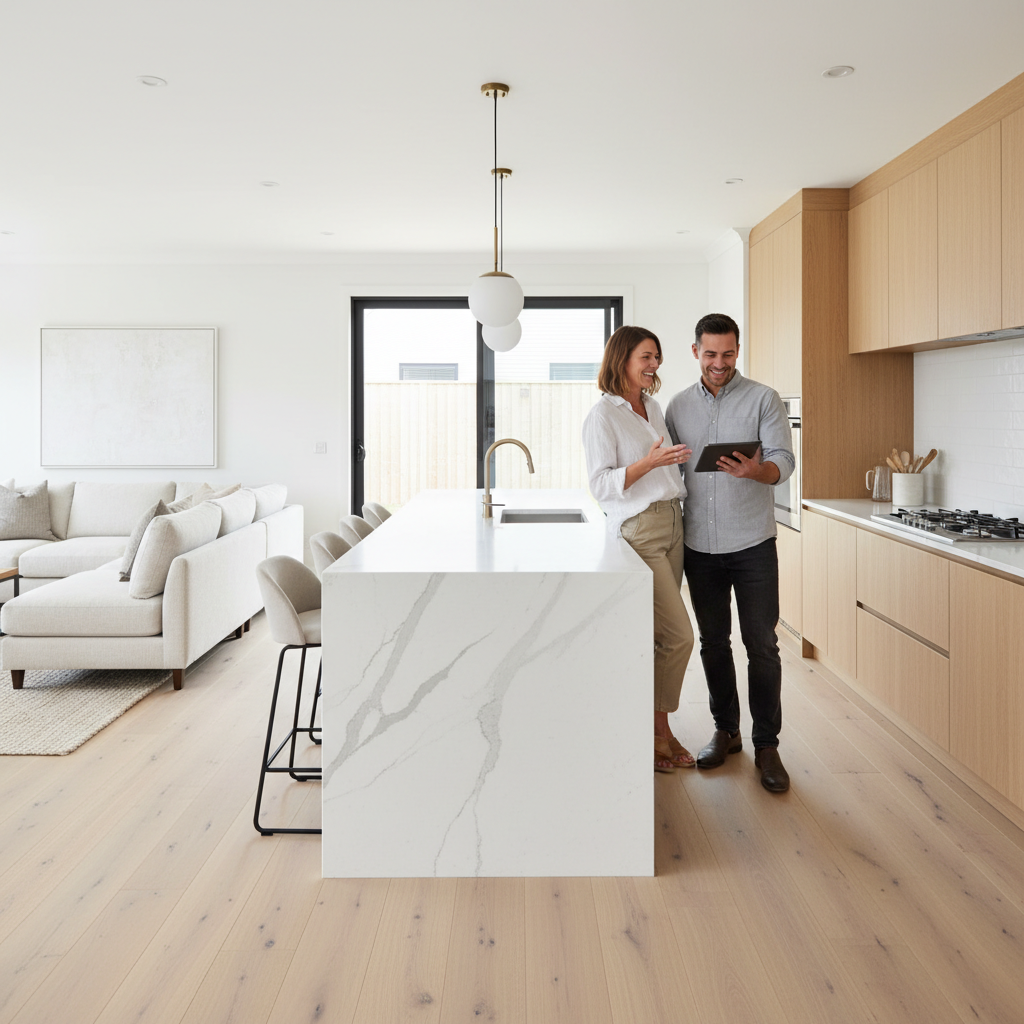
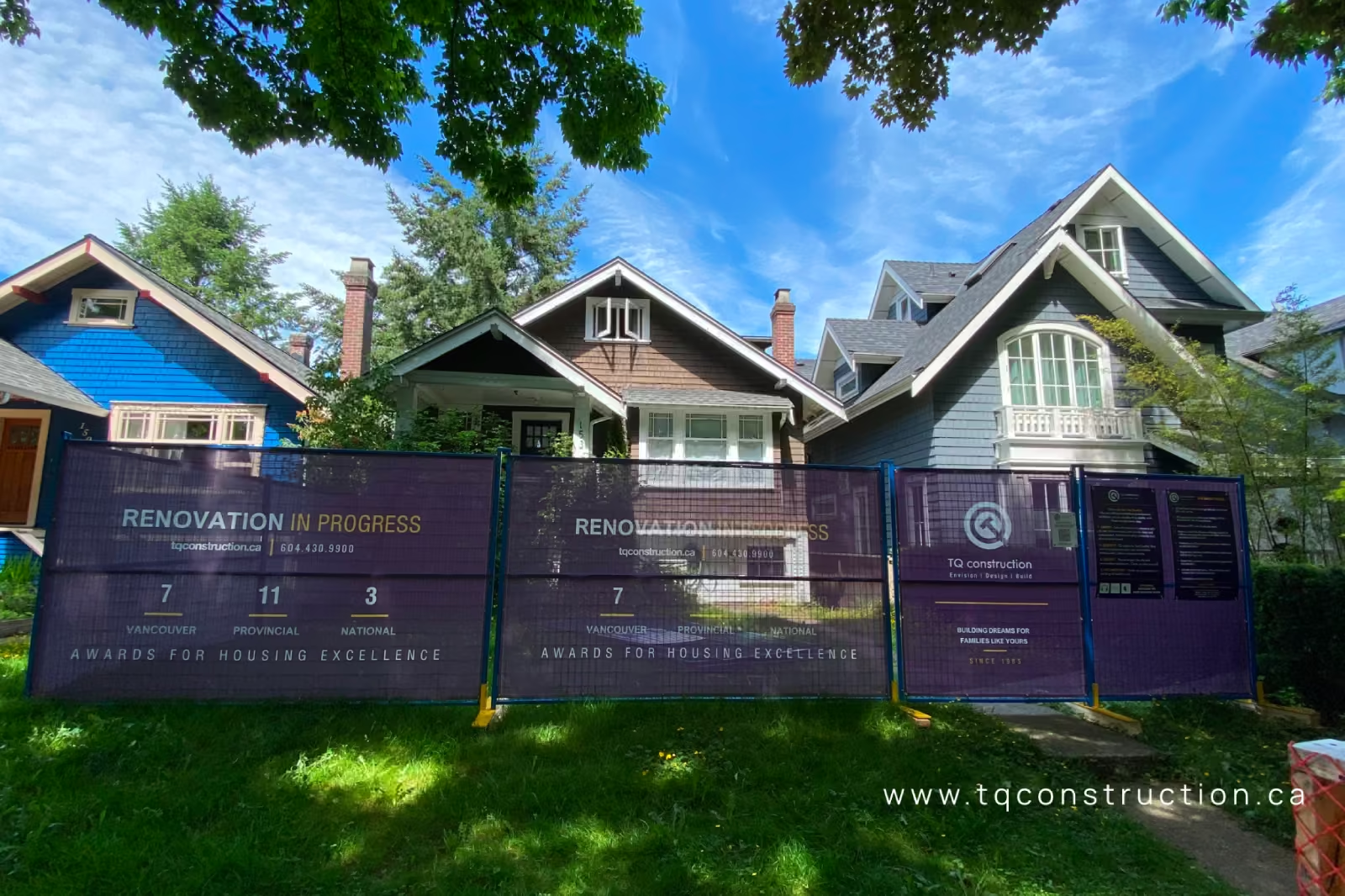
An integrated design-build team coordinates design, permits, trades, and your renovation timeline under one plan.
TQ Construction has spent four decades renovating and building homes across Metro Vancouver, including complex whole-home transformations, additions, and character homes. Over those years, one pattern stands out: projects run smoother when homeowners work with one integrated design-build team instead of juggling separate designers, engineers, and contractors.
With design-build, the same company that sketches the new kitchen layout or addition also:
- Prepares permit-ready drawings and coordinates engineering
- Submits and tracks building permit applications with your municipality
- Builds a master schedule that includes inspections, lead times, and trades
- Communicates progress weekly and updates the schedule when something changes
- Stands behind the work with a clear warranty after final inspection
If you’re planning a substantial project, exploring TQ’s additions, whole-home renovations, or partial renovation services is a good way to see how that integrated approach might work for your home.
Next steps: map out your own renovation timeline
If you’re at the sketch-on-a-napkin stage, the best next step is a conversation with a team that understands both design and local permitting. TQ’s process starts with discovery, then moves through planning, permits, construction, and warranty in clear stages so you always know what’s happening next.([tqconstruction.ca](https://www.tqconstruction.ca/?utm_source=openai))
Share a few details about your home, goals, and rough budget, and we’ll help you sketch out a high-level timeline for your specific project:
About TQ Construction
TQ Construction is an award-winning, family-owned design-build renovator based in Burnaby, serving Vancouver and the wider Metro Vancouver area since the mid-1980s. The team has completed hundreds of renovations and custom homes, with multiple Georgie, HAVAN Ovation, and CHBA National Awards recognizing their craftsmanship and client experience.
Learn more about TQ’s recognition on the Awards & Recognition page.