
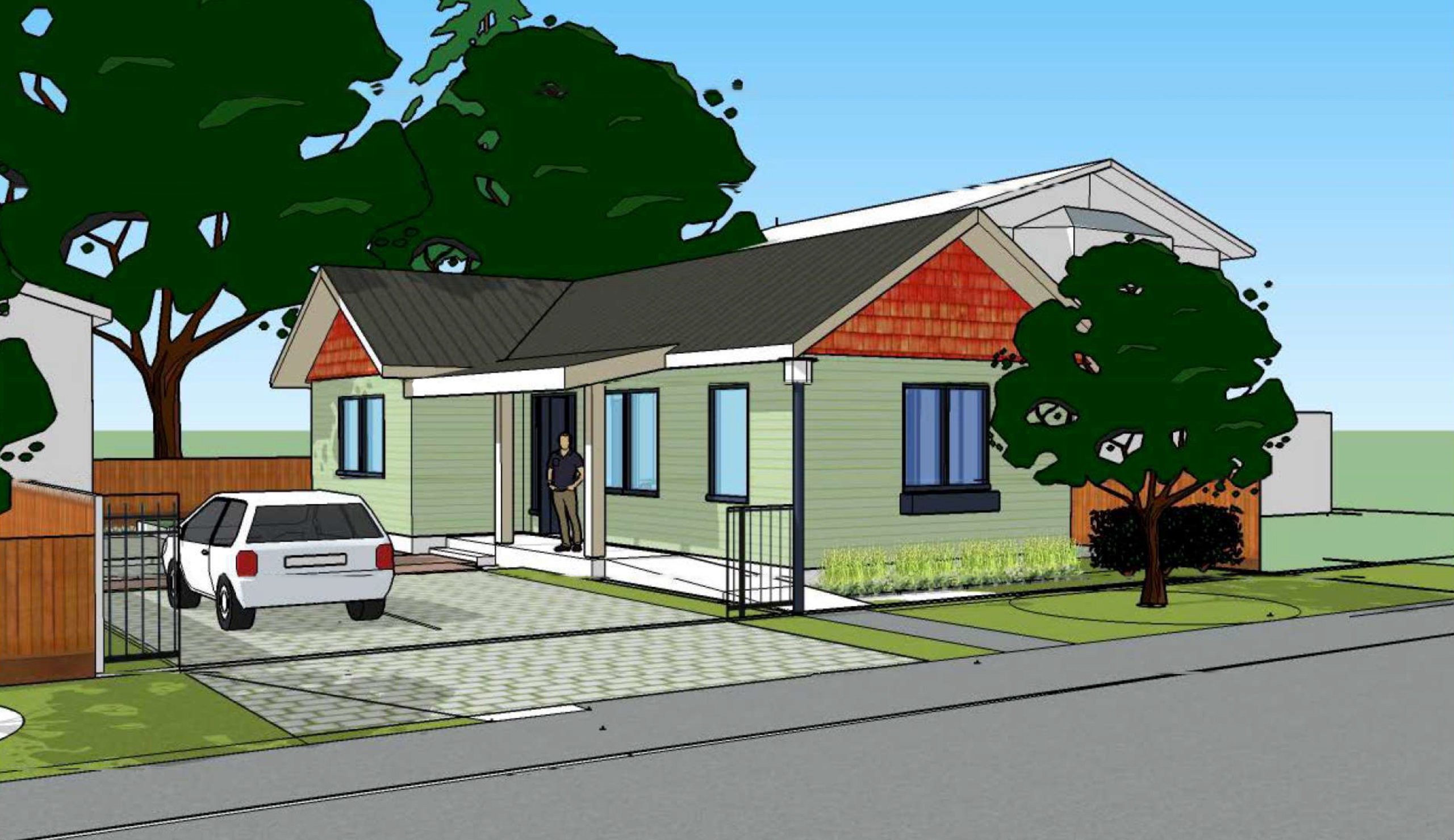
It comes as no surprise that Vancouver residents are looking for innovative, simple ways to expand their space. With the area’s rent and housing market steadily increasing, homeowners want to make the most of their properties. In recent years, we’ve seen a huge boost in the popularity of laneway homes in the backs of […]

Watch: See How We Care
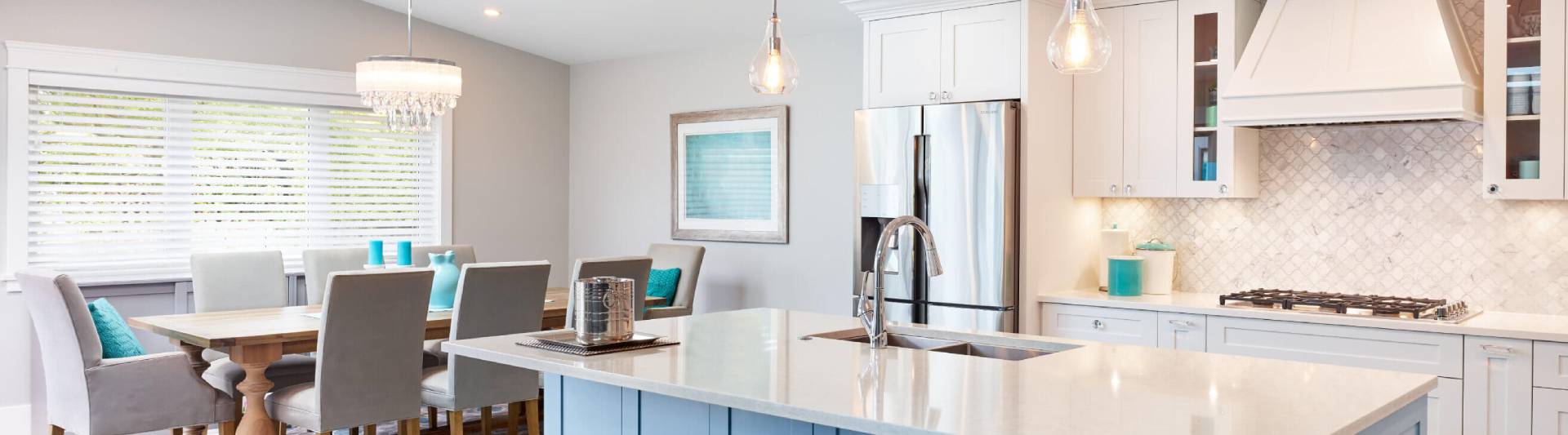










4 Reasons for Vancouver’s Growing Interest in Laneway House
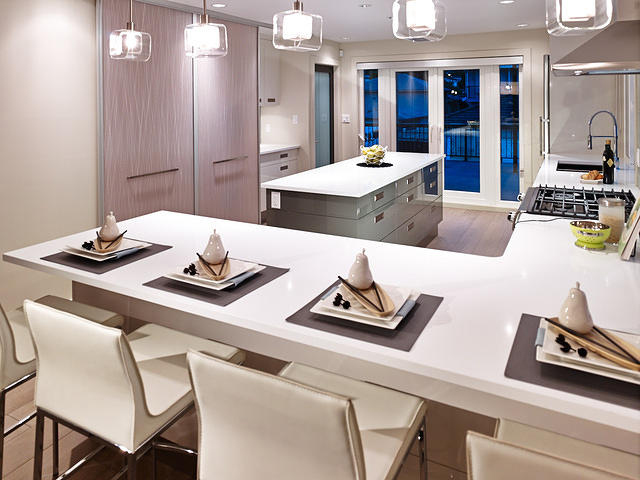
Why Vancouver Special Houses Make Great Reno Projects
If you ask us, Vancouver Special houses have an unwarranted “bad reputation.” People turn their noses up at their working-class roots and boxy designs, but underneath the utilitarian layout and exterior, there’s a home with lots of potential. We often encourage people to be careful about discounting these more affordable, older homes – especially […]
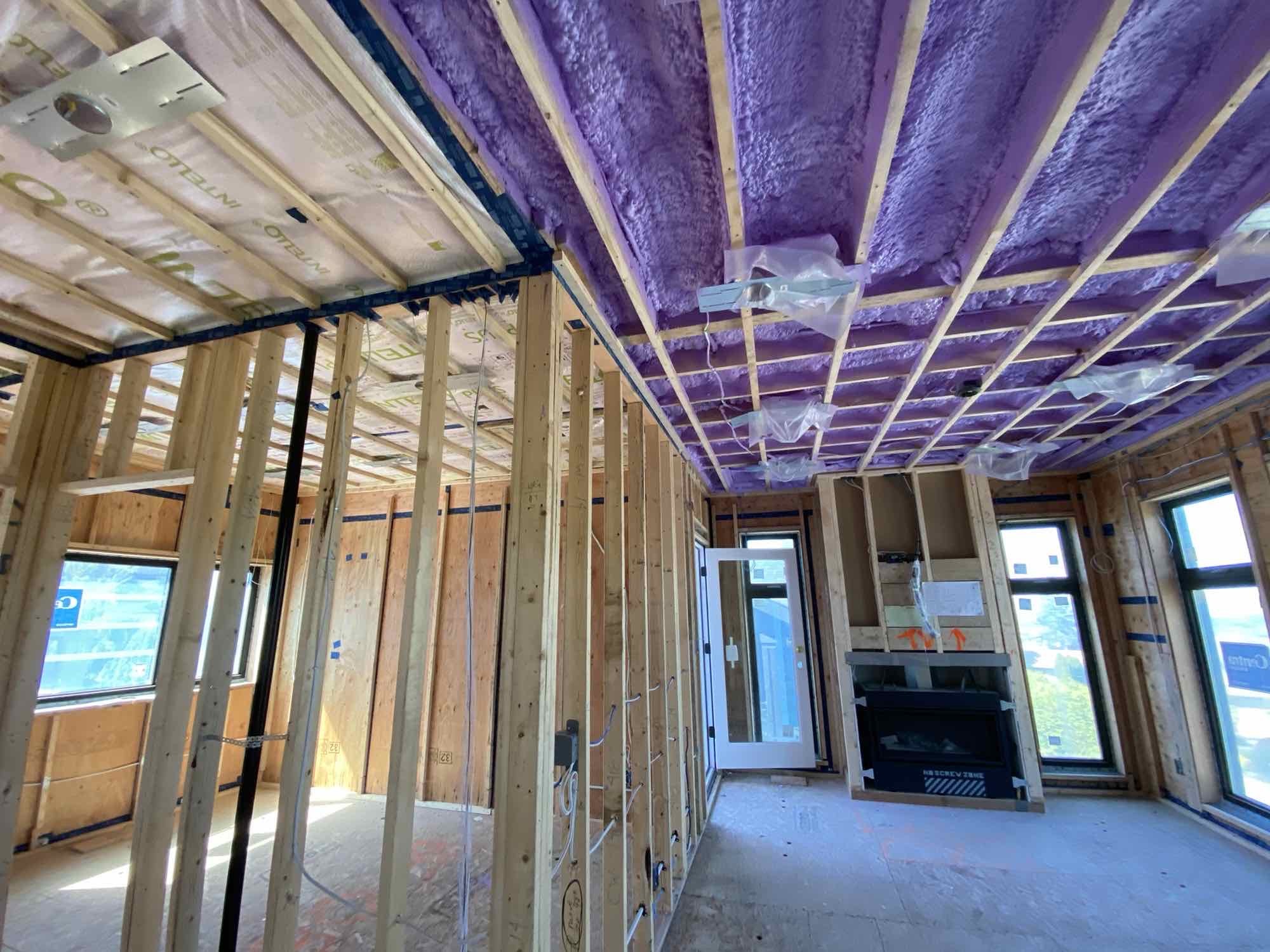
How to Make Your Home Temperature Resilient
Canada has recently been rocked by sky-high temperatures. Especially here in the Metro Vancouver area, which experienced an unprecedented heatwave that smashed temperature records, leaving many people in danger if not at least uncomfortable in their own homes. All of this has left many homeowners wondering what they can do to make their homes feel […]