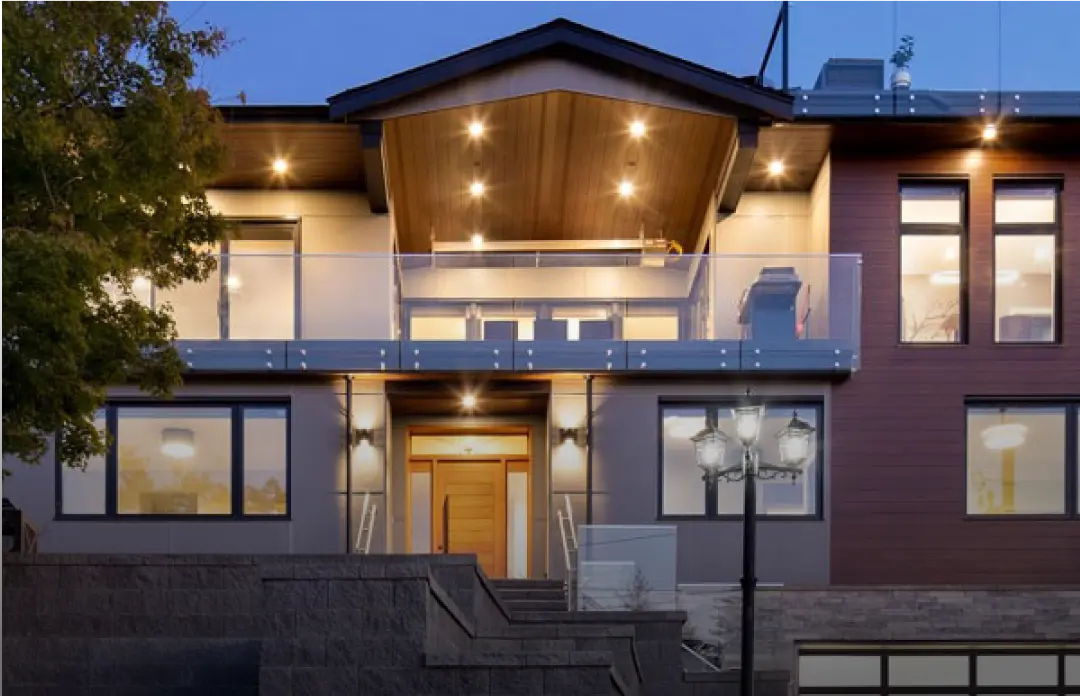


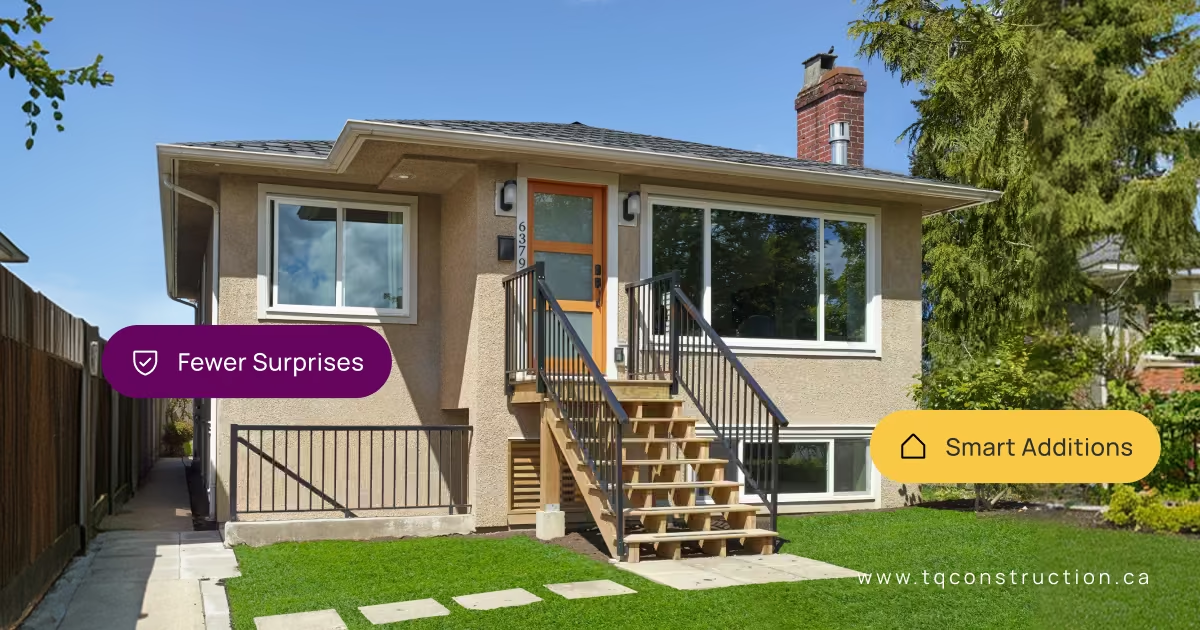

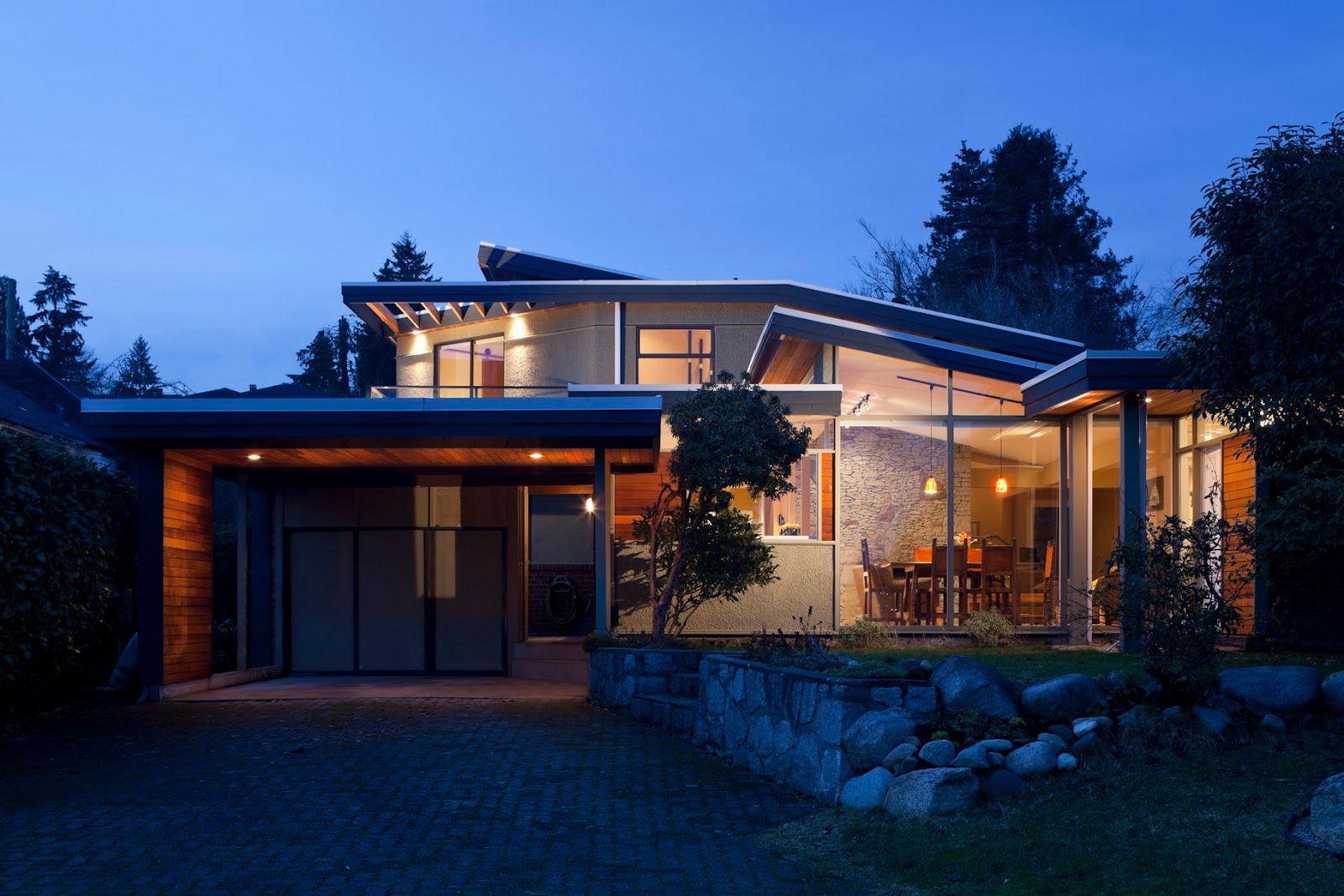
A thoughtfully planned small house addition can add space without sacrificing your home’s character.
You bought your East Van character home for the tree-lined street and original details, not the shoebox kitchen and tiny bedrooms. Over time, kids, hobbies, and working from home quietly filled every corner. Moving feels wasteful in this market, but so does tacking on random square footage that doesn’t quite work.
The good news: with the right small house addition ideas, you can usually find 300–600 sq. ft. of truly useful space on a typical Greater Vancouver lot—without wrecking your home’s charm or triggering a full teardown.
As a design-build team for home additions and extensions, we’re often asked, “Where can we gain space that feels natural in this older house?” Here are seven ways to respect character details, work within local bylaws, and give your family room to breathe.
TL;DR – quick guide to small additions on tight Vancouver lots
- On a standard 33’ x 122’ lot, 300–600 sq. ft. is often achievable through a well-planned rear or side extension, partial second storey, or laneway house.
- Best “everyday living” upgrades: rear kitchen/family-room bump-out, side infill, or a primary-suite addition.
- Character and heritage homes can sometimes access higher floor space ratios (FSR) when you retain existing structure rather than rebuild, under Vancouver’s character-retention housing options.
- Every addition in Greater Vancouver needs careful structural review and almost always a building permit; plan for design, engineering, and approvals time using the BC Building Permit Hub and your municipality’s guidelines.
- A design-build approach helps you balance wish list, bylaws, budget, and heritage details in a single, coordinated plan.
How much space can you really add on a small Vancouver lot?
Let’s start with the big question: in a city of tight RS and R1-1 lots, what does 300–600 sq. ft. actually look like?
- 300 sq. ft. – a generous bedroom with an ensuite, or a compact home office plus mudroom.
- 450 sq. ft. – a new primary suite, or a kitchen/family-room expansion with better connection to the yard.
- 600 sq. ft. – a small two-bedroom laneway house, half-storey addition, or a mix of living space plus storage.
Under Vancouver’s current R1-1 zoning, a detached house can reach up to 0.6 FSR (floor space ratio), with another 0.25 FSR allowed for a laneway house and up to 0.85 FSR for certain character-retention projects, according to the Vancouver housing options guide. In plain language: keeping and improving your character home can unlock more total floor area than a teardown-and-rebuild.
On most character homes, the smartest 300–600 sq. ft. addition starts with how you live, not just where you can bolt on a box.
That’s why our team usually begins with a full-home review, not just the spot you think needs an extra room, and often recommends a modest addition paired with strategic interior changes rather than the largest box your zoning allows.
The 7 best small house addition ideas for character homes on tight lots
- Rear kitchen & family-room bump-out (150–350 sq. ft.)
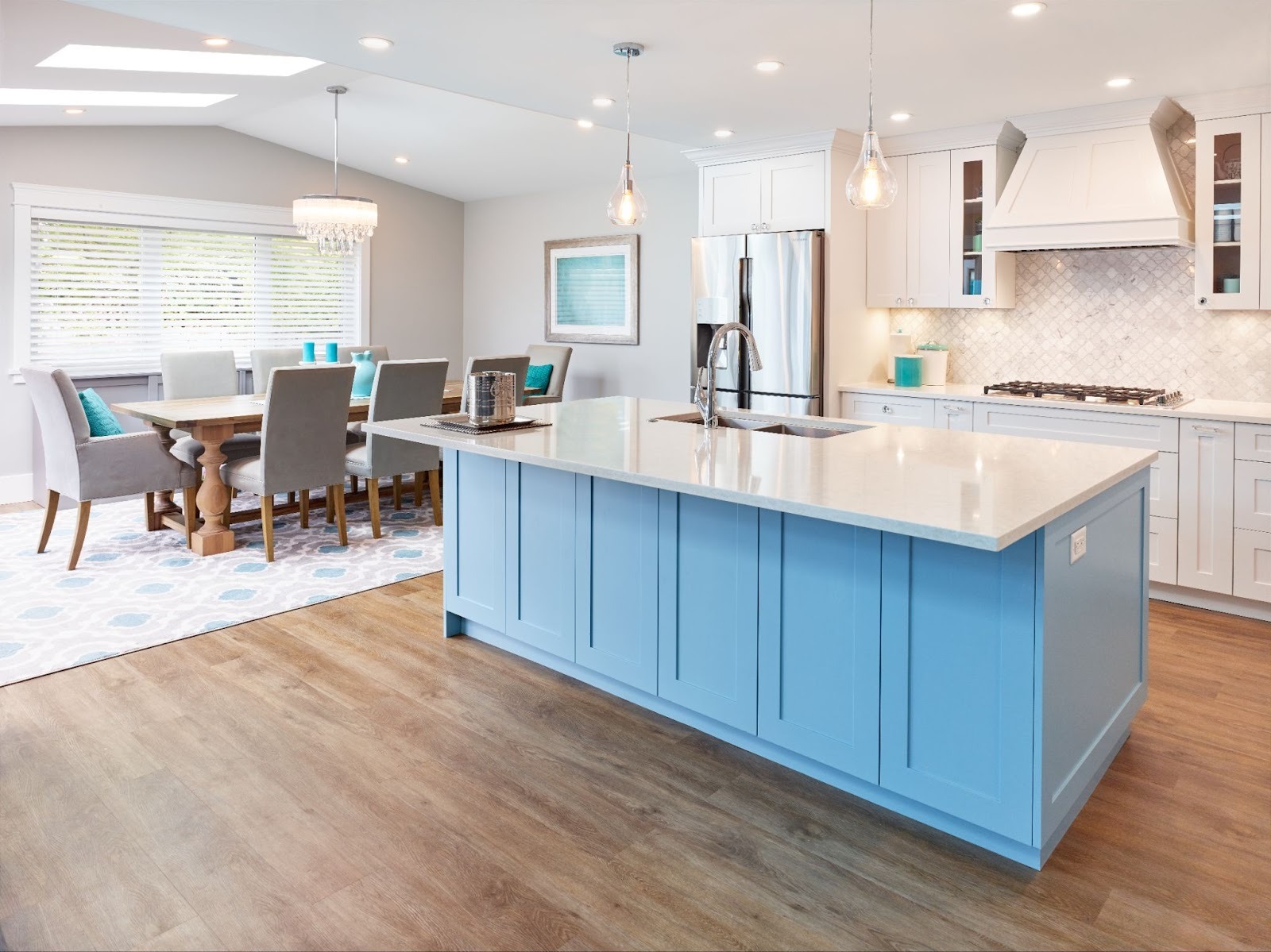
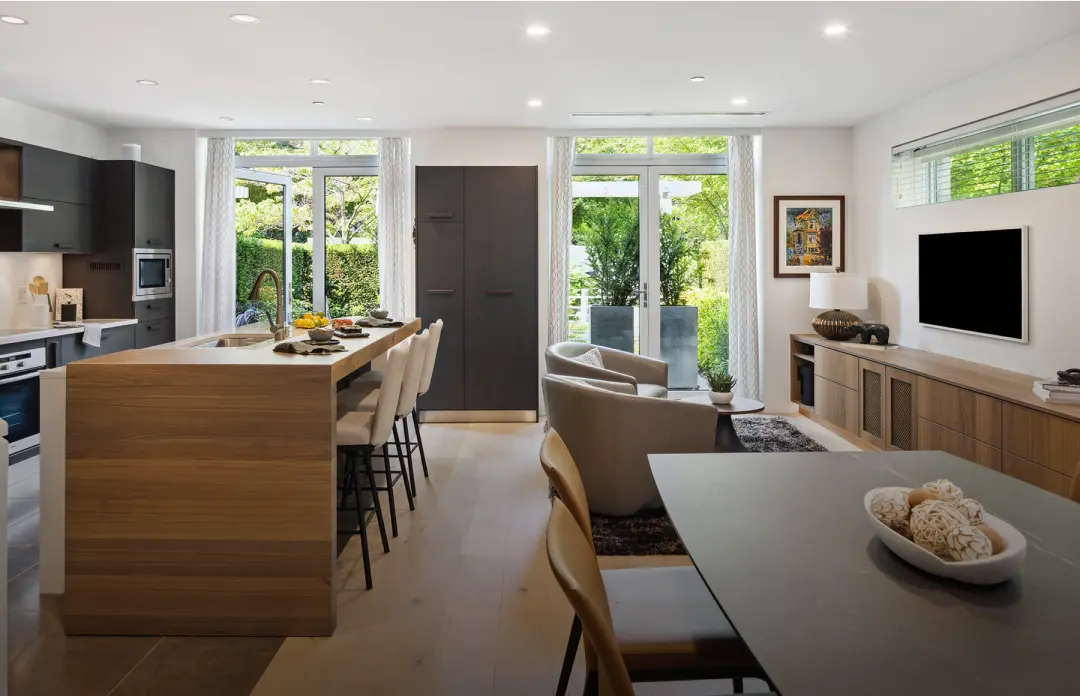
A modest rear bump-out can turn a cramped kitchen into a bright, open family hub connected to the backyard.
This is the classic “why didn’t we do this years ago?” move. Many pre‑war bungalows and post‑war specials have cramped rear kitchens that turn their back on beautiful south- or west-facing yards.
A modest rear bump-out can:
- Extend the kitchen into a light-filled eating area
- Combine kitchen, dining, and family room into one social space
- Add wide doors to a new deck for indoor–outdoor living
TQ used a version of this strategy in several renovations, including projects where a small kitchen extension transformed family gatherings without changing the overall streetscape. You can see similar rear and side extensions in our home additions and extensions gallery.
- Side-yard infill to square off the floor plan (120–250 sq. ft.)
Older houses often have awkward notches along the side yard—wasted space that’s hard to landscape and doesn’t serve the interior either. Carefully infilling part of that side yard can “square up” the main floor.
Great uses for this type of addition:
- Powder room, plus coat closet and true entry hall
- Walk-through mudroom with laundry, connected to the back door
- A small office or flex room off the main living space
On tight lots, this kind of side addition can be one of the most efficient room addition ideas for small homes, since it improves flow throughout the house without a huge footprint.
- Partial or full second-storey addition (300–600 sq. ft.)
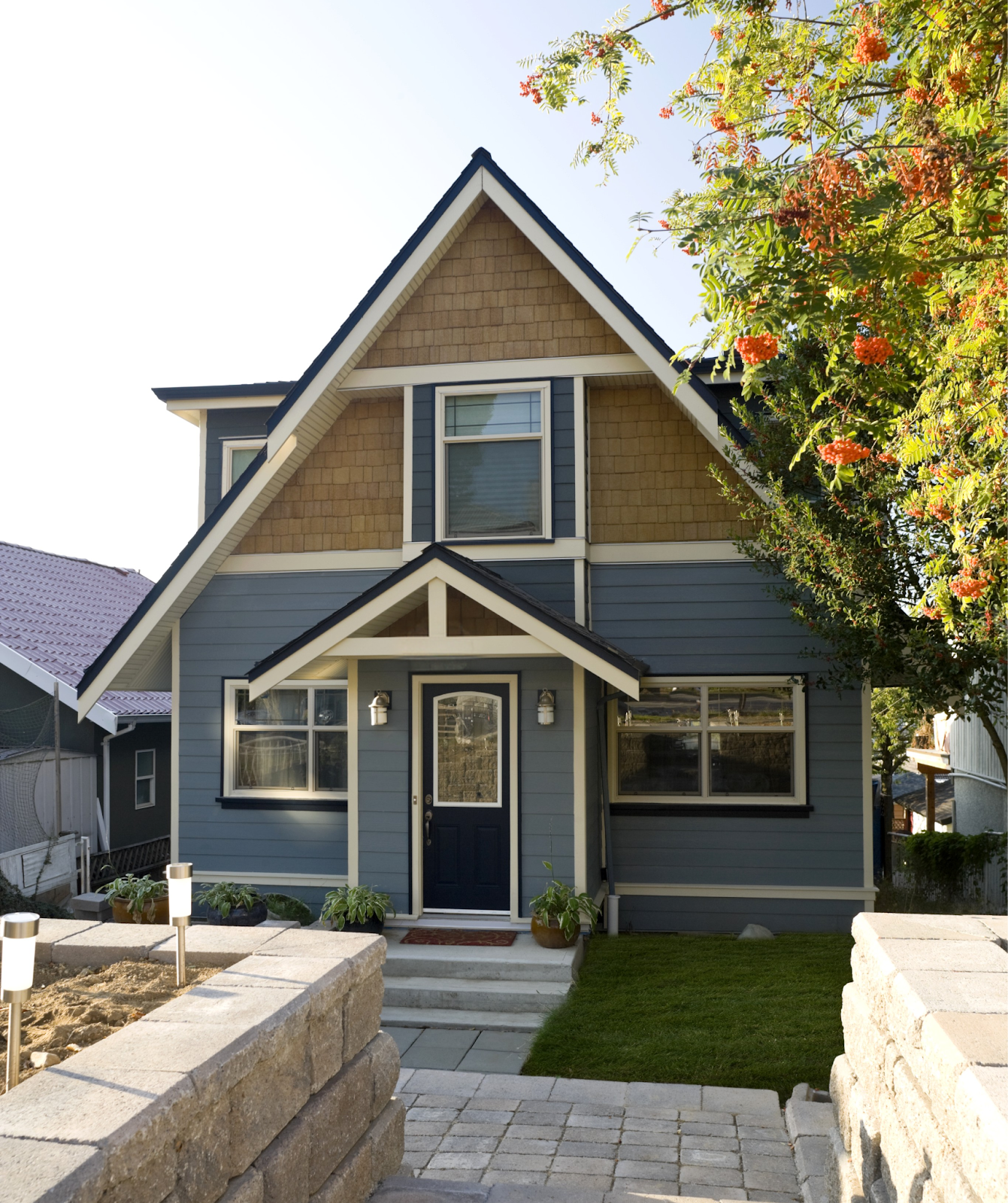
A carefully designed second-storey addition can add bedrooms and privacy while staying in scale with the street.
When the main floor footprint already uses most of your buildable area, going up is often the logical move. A partial or full second storey can turn a two-bedroom bungalow into a true family home.
Typical layouts include:
- Primary suite plus one additional bedroom and bath
- Two or three bedrooms with a shared bath and small play area
- Bedroom wing upstairs while keeping living spaces on the main
This type of project needs detailed structural and envelope planning—especially on older homes—but when it’s done well, the new roofline can actually strengthen the character of the house. Our Top Story Rancher Addition project in South Burnaby shows how a top-storey and rear extension can transform an aging rancher while staying in scale with the street, and our broader renovation portfolio includes other award-winning examples of similar work.
- Primary-suite addition over a one-storey wing (250–450 sq. ft.)
If you already have a main-floor projection—like a rear family room or attached garage—building above it can be more efficient than starting from scratch. The structure is partly there; the trick is tying new loads into the existing foundation and framing correctly.
A compact upper-level primary suite can bring:
- A quiet retreat separated from the kids’ bedrooms
- Room for a proper ensuite and walk-in closet
- Better orientation to views in neighbourhoods like North Vancouver or Burnaby Mountain
When we add upper-level suites to character homes, we pay close attention to window proportions, roof pitch, and siding transitions so the new volume looks like it has always belonged.
- Lower-level expansion or house lift (up to ~400 sq. ft. more usable space)
Some of the biggest transformations happen under your feet. In many early‑1900s Vancouver houses, the basement has low ceilings, poor light, and limited access. A house lift with new foundation—like our “East Van, Elevated” project—can turn that under-used level into real living space.
Depending on your existing footprint and zoning, this might mean:
- Full-height family room, guest bedroom, and bath
- Future-ready secondary suite with separate entrance (where permitted)
- Secure storage, workshop, or fitness area connected to the yard
For character homes that already push setback limits, working within the existing footprint but making it taller and more functional can be smarter than expanding outward.
- Compact laneway house or infill (350–600+ sq. ft.)
Laneway houses and other small accessory dwellings are a common way to add gentle density and practical family space on detached Vancouver lots. The City allows laneway homes up to 0.25 FSR, with a cap of 186 m² (about 2,000 sq. ft.) depending on lot size, as outlined in the Vancouver housing options guide.
On standard lots, many homeowners choose a smaller 400–700 sq. ft. footprint to keep yard space and construction costs in check. Common uses:
- Suite for aging parents or adult children
- Long-term rental to help offset carrying costs
- Flexible studio/office with occasional guest use
If you’ve been Googling “room addition ideas for small homes” and ending up on laneway house pages, you’re not wrong—on tight lots, a detached small home can be the most workable “addition,” especially when the main house is a protected or much-loved character home.
- Micro-addition plus interior reconfiguration (40–120 sq. ft.)
Not every project needs hundreds of square feet. Sometimes a small “surgical” addition—paired with smart interior changes—unlocks the whole house. Examples we’ve seen work very well:
- A tiny extension at the back to straighten a stair and open up the kitchen
- A front entry bump-out that adds proper storage and light
- A dormer in the upper storey to turn cramped attic space into a real bedroom
Our Reclaiming the Charm renovation in East Vancouver is a good example of how modest added area, combined with a full re-think of circulation, can make an older house feel dramatically larger and more livable.
What does a 300–600 sq. ft. addition cost in Greater Vancouver?
For a full addition with foundations, structural work, envelope, mechanical upgrades, and finished interiors, expect a six‑figure investment. Heritage and character homes often sit at the higher end because of structural upgrades, restoration work, and more complex permitting.
Key cost drivers:
- Structure: new foundation vs. using existing, house lifts, seismic upgrades
- Access: tight lanes, steep grades, and limited staging areas increase labour and logistics costs
- Finishes: custom millwork, tile, windows, and doors
- Mechanical & envelope: heat pumps, added insulation, and new windows improve comfort but add cost
What are the best room addition ideas for small homes on a modest budget?
If you’re keeping a close eye on costs, the most budget-friendly room addition ideas for small homes usually share two traits:
- They reuse as much existing structure as possible (for example, side-yard infill or dormers instead of a whole new wing).
- They focus on high-impact spaces: kitchen, main living, entry/mudroom, or a well-planned primary suite.
A quick rule of thumb: if you’re searching for “room addition ideas for small home’s layout” and your list includes moving the kitchen, stair, and main plumbing stacks all at once, that’s a sign you’ll want a thorough feasibility and budgeting phase with a design-build team before falling in love with a specific sketch.
We start with ballpark ranges and refine as design and engineering decisions are made.
Permits, heritage status, and zoning to keep in mind

Early planning with a knowledgeable team helps align your small house addition ideas with permits and zoning.
In Metro Vancouver, adding new living space almost always triggers a building permit, and in some cases a separate development permit—especially for laneway houses, multiplexes, or major exterior changes.
Keep these local points in mind:
- Building permits: The Vancouver building permit guide notes that renovations involving additions or moving or adding walls require permits, with multiple inspections during construction.
- FSR and R1‑1 zoning: In lower-density zones, R1‑1 housing options now include single detached houses (up to 0.6 FSR plus 0.25 FSR for a laneway house) and character-retention paths up to 0.85 FSR, which can include additions and infill buildings.
- Neighbouring municipalities: Cities like Burnaby are also encouraging small-scale housing on former single-family lots; the Burnaby Housing Design Library shows sample designs that hint at what may be allowed on your block.
- Heritage and character homes: If your house is listed or sits in a heritage conservation area, extra reviews, approvals, or design guidelines may apply.
Provincial tools help you understand which permits your project may need and how local bylaws and the BC Building Code interact.
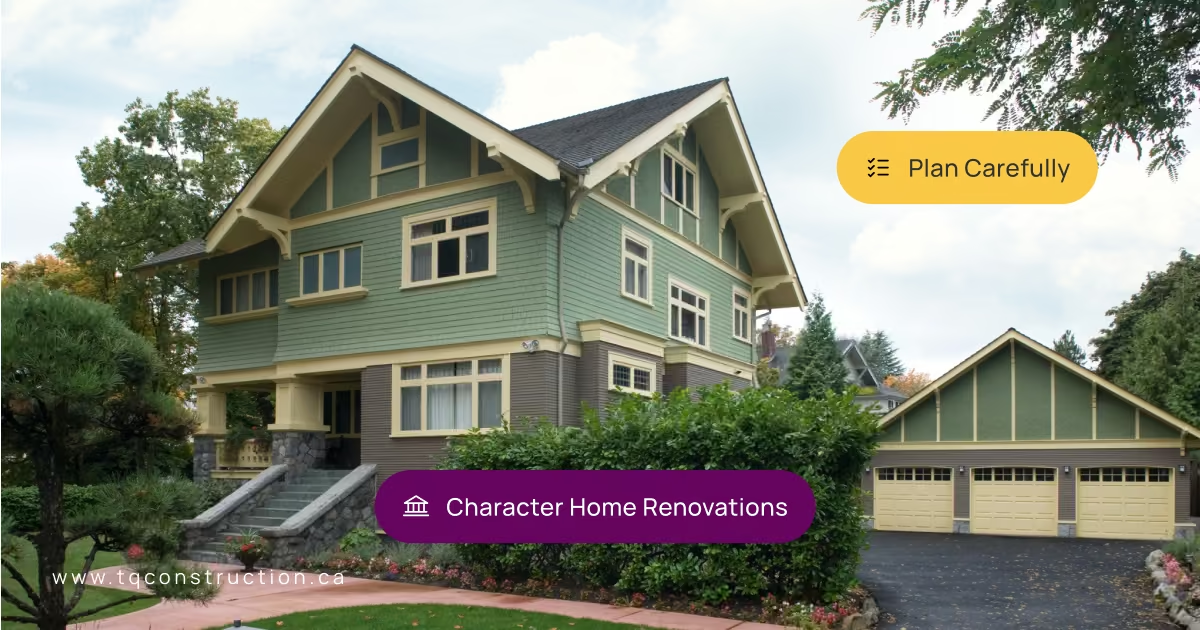
For character properties, working with a team experienced in heritage and character home renovations helps keep both inspectors and neighbours comfortable—your addition reads as a respectful evolution, not an out-of-scale replacement.
Summary: choosing the right addition for your small home
Use a simple “Addition Fit Check” before you commit—looking at Friction, Trade-offs, and Disruption:
- Friction: Where do you feel daily pressure now—storage, bedrooms, entry, kitchen, or work space?
- Trade-offs: How much yard, light, and character are you willing to trade for more interior area?
- Disruption: What level of disruption, budget, and permitting complexity fits your stage of life?
Then match your answers to the right strategy:
- Need better everyday living space? Look at rear bump-outs, side infill, or micro-additions with interior reconfiguration.
- Need more bedrooms and privacy? Consider partial or full second storeys or a primary suite over existing one-storey wings.
- Need separate living quarters? Investigate a compact laneway house or a lower-level suite where zoning allows.
Work with TQ Construction on your small house addition
TQ Construction has renovated and expanded Greater Vancouver homes since 1985, earning more than 70 industry awards (see our awards page). Our integrated design‑build team manages planning, permits, construction, and warranty under one roof.
If you’re starting to sketch your own small house addition ideas—or you’re feeling stuck between options—our team can help you test what’s realistic on your lot, how it fits with local bylaws, and what kind of budget range makes sense before you commit.
Request a Free Consultation to talk through your home and goals, or explore more real-world projects on our Home Additions & Extensions and Character & Heritage Homes pages.
Key takeaways
- On many character lots, 300–600 sq. ft. of new space is realistic with thoughtful planning.
- Permits, FSR, and heritage status set the boundaries, so early feasibility work matters.
- A design-build partner gives you one accountable team from first sketch to final walkthrough.