


Load Bearing Wall Removal Cost in Vancouver: 2026 Price Breakdown
12.03.2026
by TQ Construction


Before
After
Thinking about opening up your kitchen, living, and dining room, but not sure what the real price tag will look like once the last bit of drywall dust is gone? The truth is, the number on your quote is more than just a beam and a bit of framing. It reflects engineering, permits, temporary support, structural work, trades inside the wall, finishing, and final inspections working together.
In this guide, we’ll walk through that full journey for Greater Vancouver homes and break down load bearing wall removal cost - from the first call to a structural engineer to the day your new open-concept space is painted, inspected, and ready to enjoy. You’ll see how each stage adds to structural wall removal cost, what drives bearing wall removal cost up or down, and which questions to ask before you sign anything.
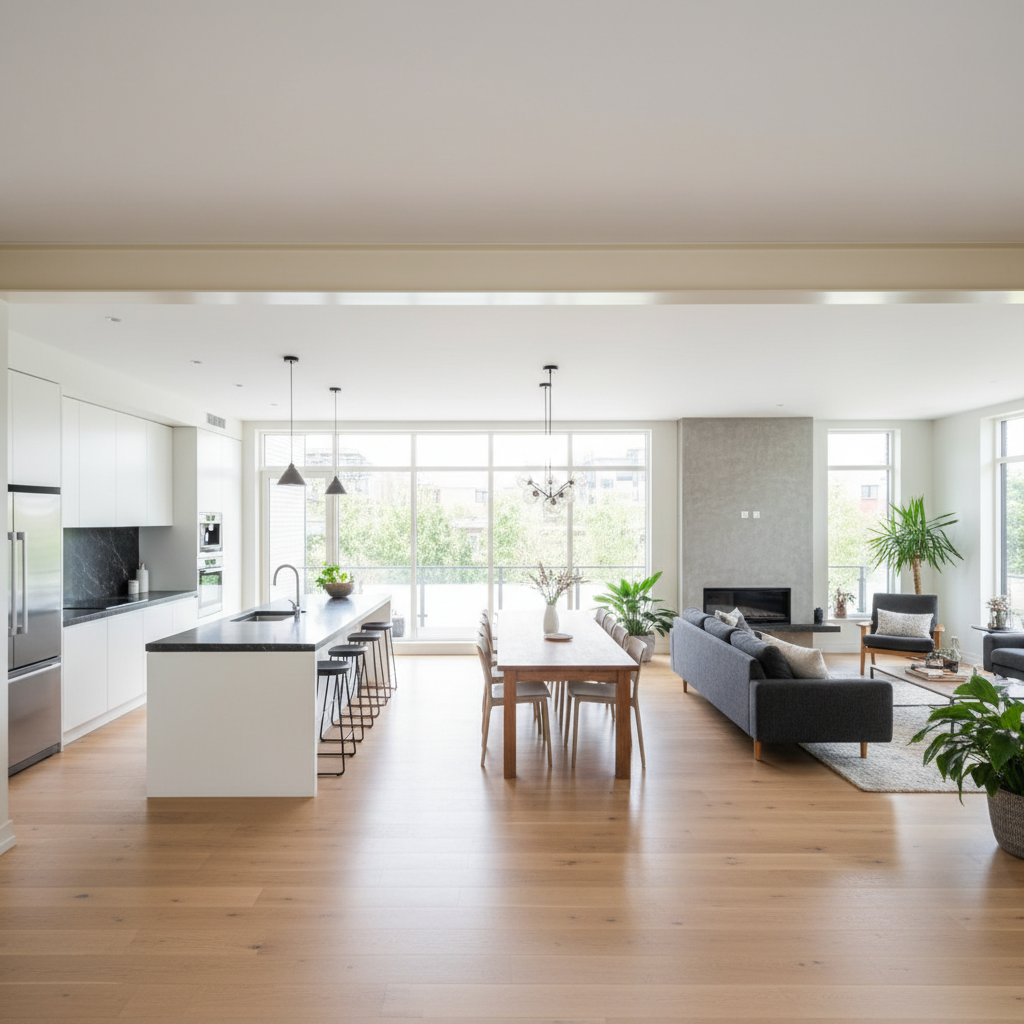
Removing a load-bearing wall often transforms separate kitchen, dining, and living rooms into one bright open-concept space.
TL;DR: What most homeowners want to know first
- Big picture: Across Canada and the U.S., the structural portion of removing a load-bearing wall (engineering, beam, labour, basic patching) often lands around $5,000–$15,000, depending on span, number of storeys, and complexity, based on recent contractor cost guides.
- Full transformation: Once you factor in flooring repairs, drywall, painting, lighting moves, and related layout changes, many open-concept upgrades sit in the mid five figures, especially in higher-cost markets like Greater Vancouver (a broad guideline, not a quote).
- Three budget buckets: Professional services (engineer + permits), structural work (demo, shoring, beam/posts), and finishes (trades, drywall, paint, flooring).
- Non‑negotiables: Structural engineer’s report, building permit, proper inspections, and a contractor who follows the engineer’s design.
- Best next step: Start with a design‑build consultation so the wall removal is planned together with the rest of your renovation, not treated as a one‑off shortcut. Request a consultation with TQ Construction.
What does load-bearing wall removal actually include?
When people talk about “the cost to remove a load-bearing wall,” they’re often thinking about a single line item on a quote. In practice, that number is a stack of work stages that build on each other:
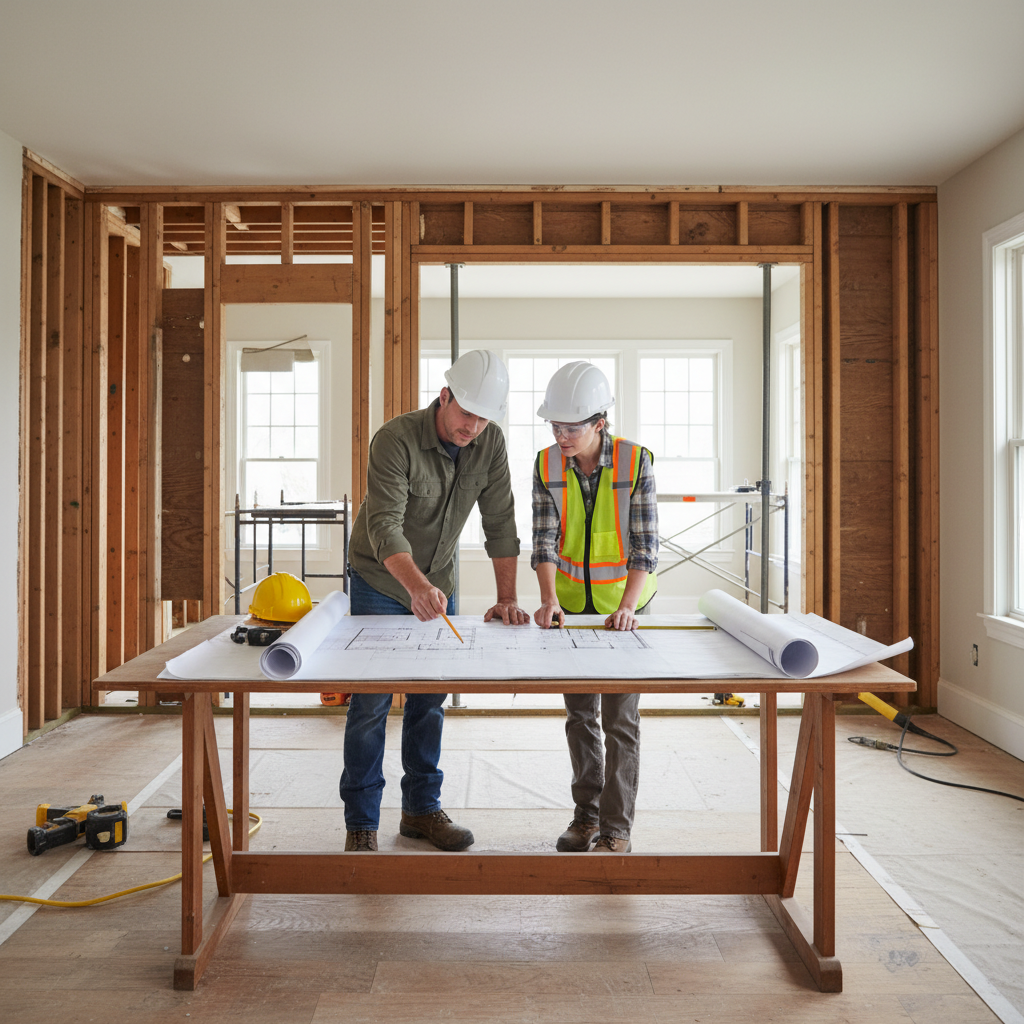
A complete load-bearing wall removal quote should account for engineering, permits, structural work, trades, and finishing.
- Structural engineer – site visit, calculations, and stamped drawings.
- Permit application – drawings, forms, coordination with your municipality.
- Demolition and shoring – safe removal of the existing wall and temporary support of the floors and roof.
- New beam and posts – LVL or steel beam sized by the engineer, posts to foundation or other bearing points.
- Services in the wall – electrical, plumbing, HVAC and gas lines that may need to be re‑routed.
- Drywall and finishing – patching ceilings and walls, tying in texture, trim, and paint.
- Flooring and millwork – infill where the old wall sat, plus any new transitions or cabinetry adjustments.
- Inspections – structural and building inspections to close out the permit.
A clear quote will show which of these pieces are included, and which are allowances or exclusions. This is where working with an integrated design‑build process helps; all of the moving parts sit under one roof instead of you trying to coordinate engineer, contractor, and city on your own.
How much does it cost to remove a load-bearing wall in Greater Vancouver?
Cost always depends on span length, what’s above the wall, whether you’re in a Vancouver Special, condo, or heritage house, and how far you go with finishes. Still, national data gives a helpful starting point: HomeAdvisor’s latest figures put most load‑bearing wall removal projects between about $1,000 and $10,000, with many homeowners spending around $3,000 for a straightforward interior opening, while Angi’s 2026 cost guide reports a similar upper range up to about $10,000 once permits and structural work are included.
For Canadian context, a recent breakdown from Maritime Construction’s load-bearing wall removal cost guide estimates structural wall removal projects in the $1,200–$11,400 range, or roughly $450 per linear foot for a standard eight-foot-tall wall. That per-foot pricing lines up with total structural-only project costs moving into the low- to mid-five figures as spans get longer and homes get taller.
In Greater Vancouver, where labour and finishing costs run higher than many markets, we regularly see this pattern:
- Engineer + structural drawings: roughly $1,000–$3,000+ for a typical residential opening, depending on complexity and scope.
- Permit fees and inspections: commonly in the $500–$2,000 range, depending on municipality and project value.
- Demo, shoring, beam, posts: often $5,000–$15,000 or more for a multi‑storey opening.
- Trades inside the wall: $1,000–$5,000+ for electrical, plumbing, HVAC or gas work if services need relocating, reflecting typical hourly rates for licensed trades.
- Drywall, flooring, paint and finishing: from a few thousand dollars for basic patching up to the low‑tens of thousands when tied into a larger kitchen or main‑floor renovation.
Put together, full‑scope open‑concept projects that include removing a bearing wall, reworking lighting, tying in floors, and refreshing finishes often land somewhere in the $20,000–$50,000+ range. That upper figure is an informed estimate rather than a fixed rule, based on current structural costs and typical Vancouver renovation budgets.
The bottom line: use online ranges as guardrails, then get a detailed, line‑by‑line quote that reflects your specific home and layout. A quick conversation with a local design‑build renovation team can help you find a realistic range before you fall in love with an open‑concept floor plan.
Step 1: Structural engineer assessment and report
Do I really need a structural engineer to remove a wall?
Yes. For a load‑bearing wall, a structural engineer is the first professional on the job. They calculate how much weight that wall is carrying, then design the new support — usually a beam and posts — so your home stays safe and compliant with the BC Building Code. Several Canadian firms list typical fees of $500–$1,500+ for load‑bearing wall assessments, plus additional fees for drawings used in permit applications.
In British Columbia, you can look up qualified firms through the Structural Engineers Association of British Columbia (SEABC) engineer directory if you’re not working with a design‑build company that already has trusted partners.
A typical engineer’s scope for load‑bearing wall removal includes:
- On‑site review of your existing structure (floors, roof, foundation).
- Review of any original drawings or past permits, when available.
- Load calculations and beam/post sizing.
- Recommendations for how far you can open the space (and where posts must land).
- Stamped drawings or a formal report for your permit application and contractor.
At TQ Construction, structural engineering is folded into the early planning and design stages so what’s possible structurally lines up with your wish list and budget from day one.
Step 2: Permits, plans, and inspections
Can I remove a structural wall without a permit?
Throughout Greater Vancouver, structural changes almost always trigger a building permit. The City of Vancouver, for example, lists “renovation projects that include moving interior walls” and “structural repairs” as work that requires a permit in its “When you need a permit” homeowner guide. Doing this work off‑permit can cause issues with insurance, resale, and future inspections.
Your permit costs will depend on:
- Your municipality (Vancouver, Burnaby, North Vancouver, etc.).
- Scope and declared value of the work.
- Whether the project is part of a larger renovation or a stand‑alone structural change.
With a design‑build team, the same people drawing your new main‑floor plan will coordinate permit drawings, engineering letters, submissions, and required inspections. Homeowners who try to run permits themselves often end up back‑and‑forth with the city over missing information or incomplete plans, which can stretch timelines far beyond what they expected.
Step 3: Demolition, temporary shoring, and new beam
Once permits are in hand, the on‑site work begins. Expect your crew to:
- Open sections of the wall and ceiling to confirm what the engineer predicted.
- Install temporary shoring walls to hold up floors and the roof while the existing wall is removed.
- Remove the structural wall in stages, keeping the house supported throughout.
- Install the new beam (LVL or steel) and posts down to the proper bearing points.
- Tie everything back into the surrounding framing for a smooth, level result.
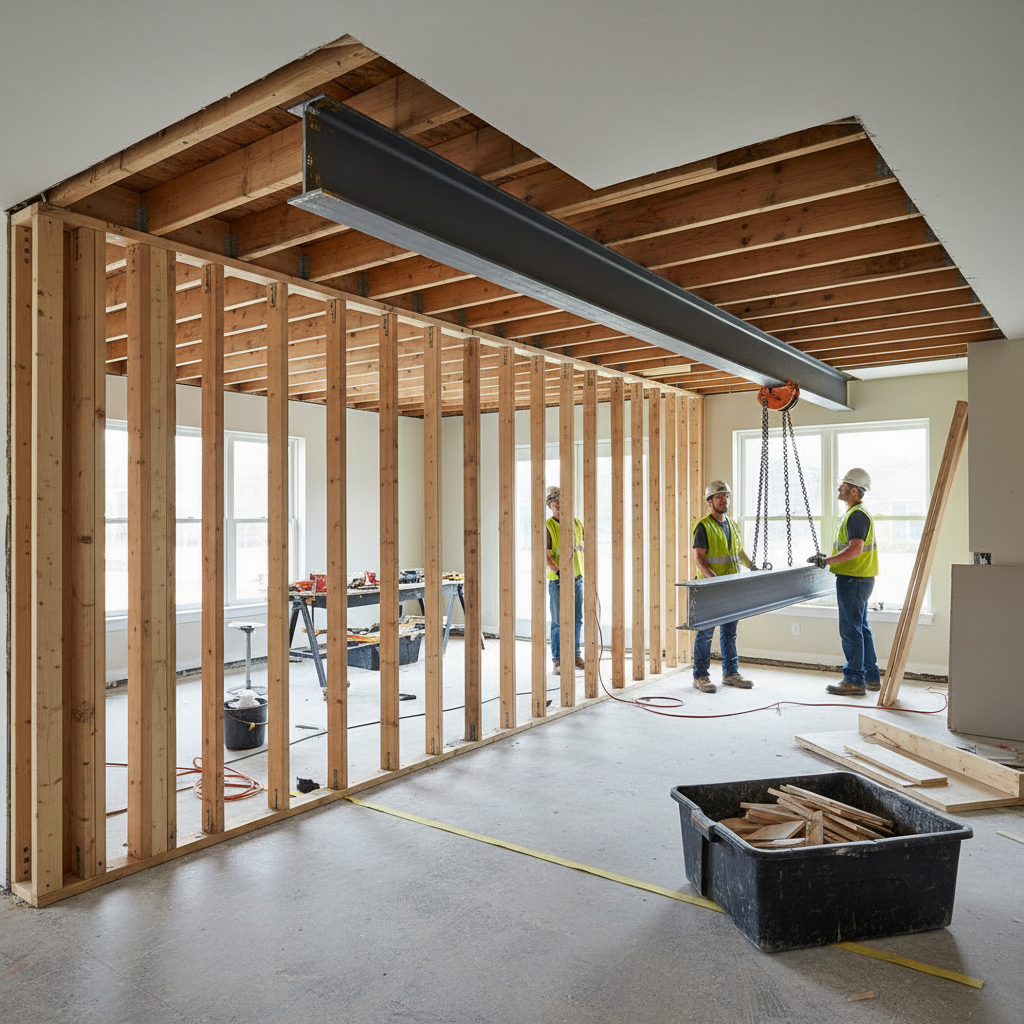
During load-bearing wall removal, temporary shoring and careful beam installation protect the structure while the layout changes.
This is the heart of structural wall removal cost. Wall length, number of storeys, beam type, access, and whether plumbing or HVAC are inside the wall can push costs from a few thousand dollars into the mid‑teens just for this phase.
Canadian renovation specialists describe structural‑only wall removal costs in the $4,000–$15,000+ range once engineering and proper support are included, which matches what we see in real‑world projects; for example, Reno King’s wall removal cost explainer for Greater Vancouver homes outlines similar figures.
Step 4: Electrical, plumbing, and HVAC inside the wall
Very few interior walls are truly empty. Most carry at least electrical, and many carry heat runs, plumbing stacks, or gas lines. Each of these trades contributes to the bearing wall removal cost:
- Electrical: relocating outlets and switches, extending circuits, and adding new pot lights for your new great‑room layout.
- Plumbing: moving vent stacks, water lines, or drains if the wall serves kitchens or bathrooms.
- HVAC: rerouting ductwork so air still flows evenly after the wall is gone.
- Gas: shifting gas lines safely if the wall feeds a range or fireplace.
National cost guides such as Angi’s 2026 load-bearing wall removal cost guide show electricians, plumbers, and HVAC technicians often billing between $50 and $250 per hour, depending on trade and region, which is why a “simple” wall removal can grow once services need rearranging. In a well‑planned project, your designer, engineer, and contractor coordinate this in advance so you’re not hit with surprises mid‑demo.
Step 5: Drywall, flooring, paint, and making the old wall vanish
After the structural work passes inspection, the focus shifts to how the space looks and feels. This is where structural wall removal cost blends into your wider renovation budget.
Typical finishing tasks include:
- Patching and skimming ceilings where the wall once met the drywall.
- Blending textures so you don’t see a “scar line” across the room.
- In‑filling flooring where the wall footprint sat (often the trickiest part in older homes).
- Touch‑up or full‑room painting to keep the space consistent.
- Adjusting trim, baseboards, and sometimes cabinetry or railings.
In many projects, the finishing stage can match or even exceed the pure structural cost — especially if you’re updating a kitchen, re‑tiling, or laying new hardwood throughout an open‑concept main floor. That’s why TQ typically approaches wall removal as part of a complete home renovation plan, not a one‑line handyman task.
Key cost factors you can influence
You can’t change gravity, but you can influence how your budget is spent. When we talk with homeowners across Burnaby, Vancouver, and the North Shore, these levers come up again and again:
- Scope: Is this strictly about removing a wall, or part of a larger kitchen or main‑floor renovation? Bundling work can be more efficient than doing the same rooms twice a few years apart.
- Span length: A 10‑foot opening is very different from a 22‑foot clear span. Sometimes a strategically placed post can save thousands while still opening the space.
- Finish level: Basic patch and paint versus designer finishes, custom millwork, and new flooring throughout.
- Access and logistics: Tight sites, heritage homes, and condos with strict strata rules may require more protection, more labour hours, or specialty equipment.
- Team structure: Working with a proven, award‑winning design‑build contractor who coordinates engineering, permits, and construction tends to keep extras under better control than piecing the project together alone.
What a typical TQ Construction wall‑removal project looks like
Picture a 1970s Vancouver Special in East Vancouver: a small enclosed kitchen at the back, dining room in the middle, living room at the front. The owners want one bright, social space instead of three chopped‑up rooms.
A project like this might include:
- Structural engineer’s report and beam design for a long opening between kitchen and living.
- City of Vancouver building permit for interior structural alterations.
- Removal of the main‑floor bearing wall and installation of a new engineered beam.
- Reworked lighting plan, new flooring throughout the main level, and an updated kitchen layout.
- Final inspections and a tidy, move‑in‑ready handover.

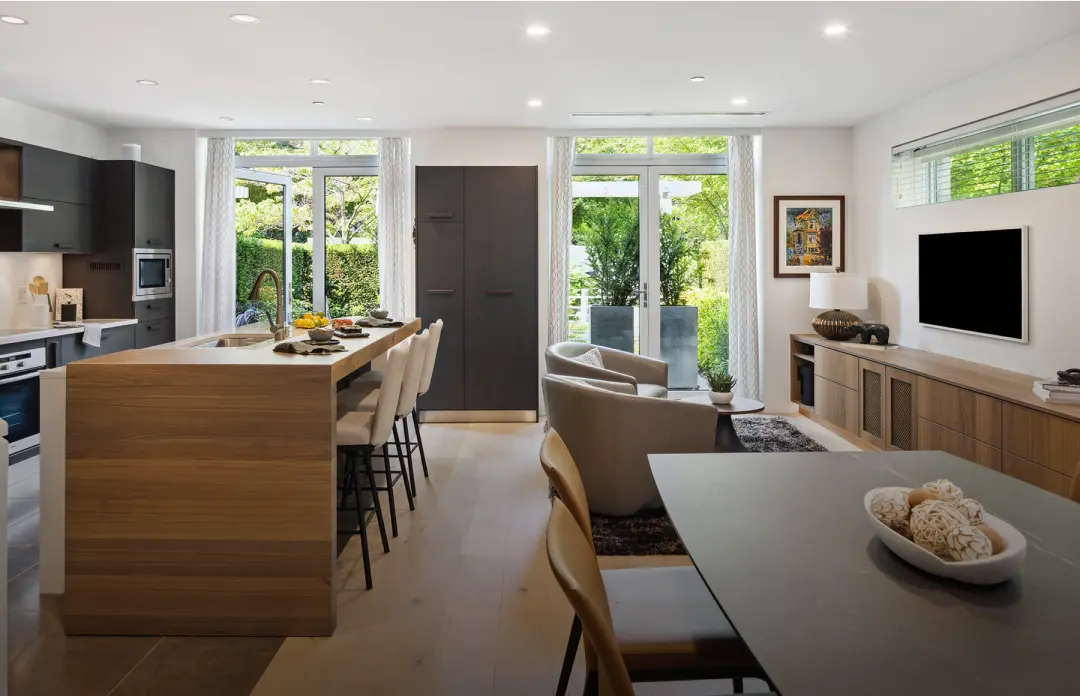
A typical wall-removal project turns a closed-in main floor into a cohesive open-concept living, dining, and kitchen space.
You can see similar transformations in our project portfolio and related articles like Vancouver Special reno projects and our guide on renovating heritage homes in Vancouver.
Next steps if you’re planning to remove a load-bearing wall
If you’re looking at a floor plan and thinking “this wall has to go,” here’s a simple plan for your next week:
- Gather any existing drawings, photos, and measurements of your home.
- Make a short wish list: how do you want the new space to work for your family day‑to‑day?
- Talk with a design‑build renovation company that regularly handles structural reconfigurations, not just cosmetic updates.
- Confirm that their budget range includes engineering, permits, structural work, finishing, and inspections — not just a single line labelled “wall removal.”
TQ Construction has been reconfiguring homes across Greater Vancouver for more than 40 years, with a sequenced process that connects design, engineering, permitting, and construction under one roof. If you’d like clear numbers and a realistic plan for your own home, we’d be glad to talk.
Request a free consultation or contact our team to discuss your structural wall removal cost and the best way to turn your main floor into a space that truly works for you.
Frequently Asked Questions
What services does TQ Construction offer?

How long does a home renovation project take?
Do you help with design and permits?
How much does a home renovation cost in Vancouver?
Why choose TQ Construction over other construction companies in Vancouver?
1
What Clients Say About Their Home Renovation Experience in Vancouver
Clients who worked with TQ Construction often share how smooth the process felt and how well every detail came together. Each renovation is handled with care, clarity, and a focus on real results, creating homes that look great, feel balanced, and work better every day.
“They are professional, organized, responsible and trustworthy. The crew is skilled, friendly, helpful and attentive – fabulous!”
Martha H.
North Vancouver
“Communication, transparency, and follow through are superb... Working with TQ has felt more like entering a project with a partner rather than an adversary.”
Jon A.
Vancouver
4.7 Star Rating
500+
Projects Completed
“Their expertise and experience are key factors... workmanship is outstanding... team is professional, well organized and clearly communicate.”
Irene H.
North Vancouver
“I would not hesitate to recommend TQ Construction to anyone contemplating renovations.”
Mike J.
Vancouver
Let’s get started
Ready to start
your own story with TQ?
Thinking about a home renovation or new build in Vancouver? Tell us a few details, and our team will send you a free, no-obligation quote. TQ Construction makes it easy to plan your budget before you start.