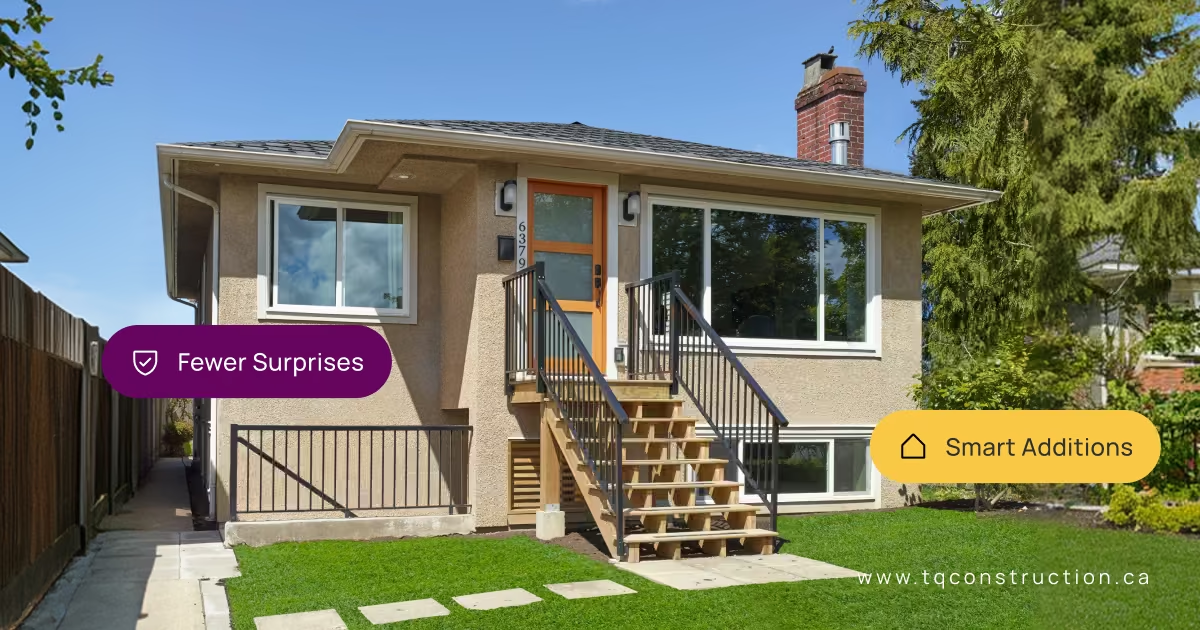


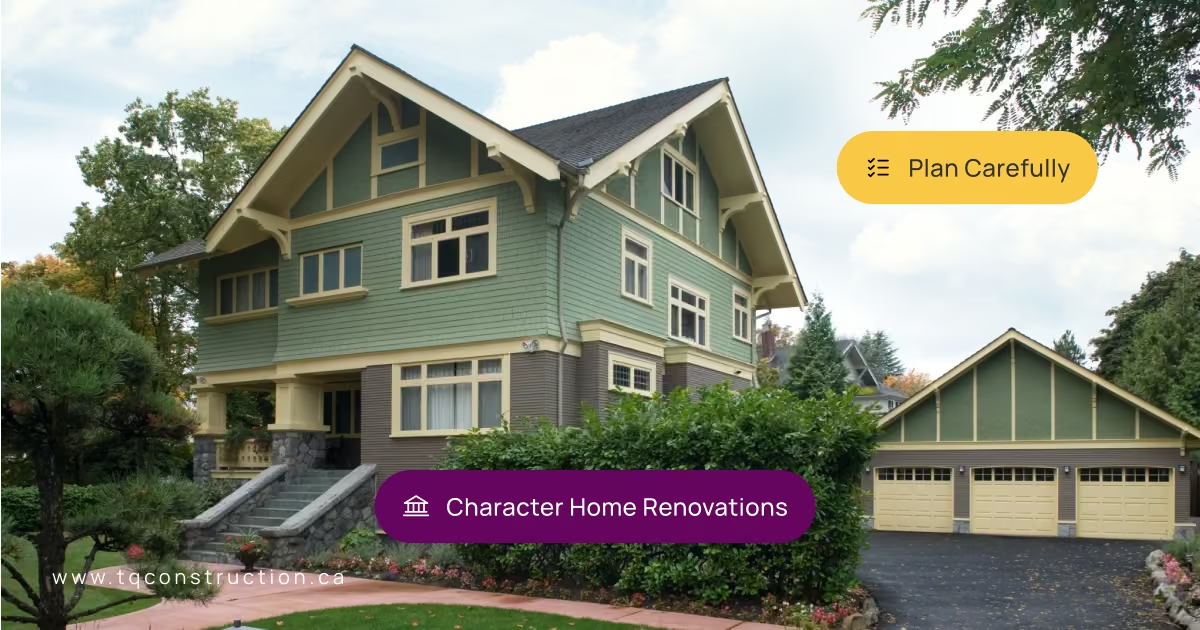

A thoughtfully updated historic home that preserves character while adding modern comfort.
Owning a 1912 craftsman in Kits or a storybook bungalow off Commercial Drive can feel like holding a piece of Vancouver’s history in your hands. But when the roof is tired, the kitchen doesn’t work for family life, and the wiring makes you nervous, where do you start? That’s where a thoughtful historic home renovation comes in.
In Vancouver’s character neighbourhoods, updating an older house is never a simple “paint and re-tile” job. There are heritage rules to interpret, surprise issues hiding behind lath and plaster, and hard choices about what to preserve, what to rebuild, and what you can realistically afford.
This roadmap pulls together what our design‑build team has learned over four decades working on character and heritage homes across Metro Vancouver: how the regulations really work, where older houses hide risk, and how to talk budgets with experienced heritage renovation contractors so you stay in control from first walkthrough to final reveal.
TL;DR: What you’ll learn
- The difference between “old,” “character,” and “heritage” homes in Vancouver – and why it matters for your approvals and options.
- Which city rules, zoning tools, and heritage grants may affect your design, schedule, and budget, and where to find official guidance.
- The most common hidden risks in older Vancouver houses – from foundations to knob‑and‑tube wiring.
- How realistic budgets for character and heritage projects are built (and what often gets missed).
- Key questions to ask historic home renovation contractors before you sign anything.
Why Vancouver’s Character and Heritage Homes Are Different
Walk a few blocks in Kitsilano, Mount Pleasant, Grandview‑Woodland, Shaughnessy, or Strathcona and you’ll see steep‑roofed craftsman houses, Edwardian foursquares, and front‑porch bungalows that anchor each street.
Some of these homes are simply “old.” Others are recognized by the City as character or heritage properties with specific policies and incentives attached, outlined in the City’s heritage program.
Character, heritage, and “just old” – what’s the difference?
- Older home: Built decades ago, but not listed or flagged by the City.
- Character home: Typically pre‑1940 with key architectural features (front porch, original roof shape, window pattern, etc.) that give the street its look. In many zones, a formal character merit assessment is used to confirm this.
- Heritage property: A building or site listed on the Vancouver Heritage Register and sometimes protected by a Heritage Designation or Heritage Revitalization Agreement.
Why does this matter? Because the classification affects:
- What you can demolish vs. what must be retained.
- Your options for additions, infill, or multiple conversions if you keep character or heritage elements, including special character home zoning tools.
- Whether you can access heritage grants or other incentives.
Incentives and grants that can shape your project
The City of Vancouver offers incentives for conserving eligible heritage buildings, including conservation and seismic‑upgrade funding through its heritage grants. For one‑ and two‑family homes, you may also be able to apply for Heritage Conservation Grants from the Vancouver Heritage Foundation.
These programs don’t apply to every older house, and they come with conditions and review processes. The upside is that, for the right property, they can offset some of the extra cost of seismic strengthening or conservation work.
At TQ Construction, our team routinely checks whether clients’ homes fall under character or heritage policies and helps them balance incentives against project goals. For many homeowners, this is the first sign that you need historic building restoration contractors who know the local rulebook as well as the construction side.
Key Heritage and Zoning Rules You Need to Know
1. Zoning & character retention options
In many R1‑1 and related zones, retaining a qualifying character house can open doors to extra floor area, stratified units in a multiple conversion dwelling, and even a detached infill home in the rear yard under the City’s character home zoning. Demolishing the same house and building new usually means fewer options and stricter recycling requirements.
This is where planning with your designer and builder pays off. Sometimes keeping the core shell and selectively rebuilding gives you more flexibility – and may better protect resale value – than a full teardown.
2. Character merit and heritage review
- Character merit assessment: If your house was built before 1940, the City may require an assessment of the front and street‑facing sides to confirm whether it retains enough original features to be treated as a character building.
- Heritage review: Properties on or being considered for the Heritage Register go through a specialized review process, often involving the Vancouver Heritage Commission and heritage planners.
For homeowners, this can feel opaque. A good design‑build team will coordinate early conversations with City staff, flag likely requirements, and design within the guidelines instead of fighting them at the permit counter.
3. Permits, building code, and seismic upgrades
Once you move beyond minor cosmetic work, you can expect to trigger full building permits and, in many cases, significant code upgrades. Vancouver’s Building By-law requires seismic upgrading for many older buildings when alterations reach certain thresholds.
For a historic or character home, that might mean:
- Tying old foundations and framing together for lateral strength.
- Adding new shear walls or upgrading cripple walls.
- Coordinating structural work with energy‑efficiency and envelope upgrades.
These are not “nice to have” extras; they’re core safety items that influence design and budget from day one.
Hidden Risks in Older Vancouver Homes
The charm of original glass, millwork, and built‑ins often hides issues that only appear once walls and floors are opened up. Here are the patterns we see most often when we renovate character and heritage homes in Vancouver.
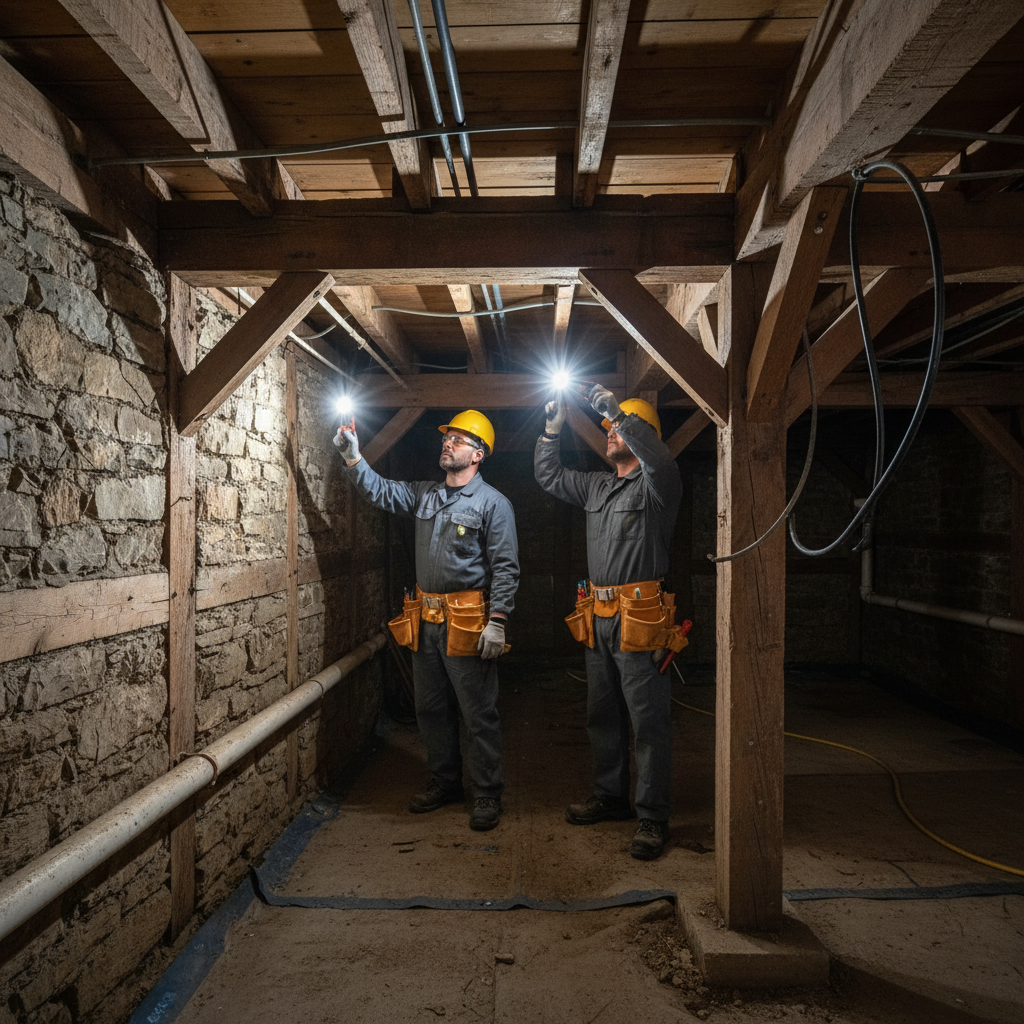
Early investigation of structure, foundations, and services helps uncover hidden risks in older homes.
Structure, foundations, and water
- Settled or undersized foundations: Shallow or unreinforced foundations are common in pre‑war homes and fall short of modern standards.
- Moisture and rot: Long‑term moisture at decks, porches, and sill plates quietly damages structure, often from poor drainage or aging perimeter drains.
- Altered load paths: Previous renovations may have removed walls or cut joists without proper engineering.
Early investigation with a contractor and structural engineer lets you price these risks before construction starts.
Electrical, plumbing, and hazardous materials
- Knob‑and‑tube wiring or mixed systems.
- Galvanized or cast‑iron plumbing is reaching the end of its life.
- Lead paint and asbestos‑containing materials are common in older floor tiles, pipe insulation, and some textured coatings.
Professional hazmat surveys and abatement are non‑negotiable for older homes, even though they add cost and time.
Seismic and energy performance
Many historic houses were built before modern understanding of seismic risk and energy efficiency. When we work on these homes, we often combine seismic strengthening with:
- New or improved insulation in walls, roof, and floor assemblies.
- High‑performance windows that match original sightlines where required.
- High‑efficiency mechanical systems and improved ventilation.
Handled well, these upgrades make the house more comfortable, safer, and cheaper to operate – while still reading as a period home from the street.
Building a Realistic Budget for Historic Renovation

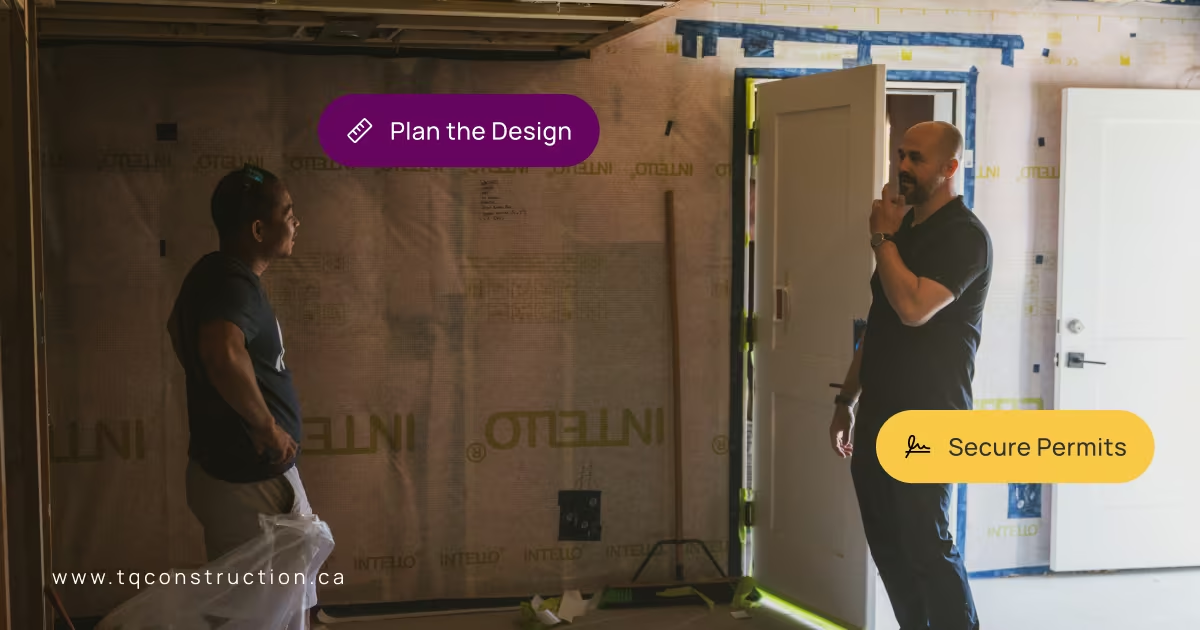
Collaborative budget planning keeps heritage renovation scope, costs, and expectations aligned.
Homeowners often ask us, “How much does a historic renovation cost in Vancouver?” The honest answer: it depends on scope, condition, and how much of the original fabric you plan to keep.
What drives cost in heritage and character projects?
- Extent of structural and seismic work: New foundations, shear walls, and tie‑ins can account for a meaningful share of the budget.
- Hazmat abatement and remediation: Necessary safety work that doesn’t show in the final photos but matters just as much.
- Custom millwork and replication: Matching historic trims, railings, and windows is more labour‑intensive than using off‑the‑shelf items.
- Permit and professional fees: Heritage reviews, engineering, and detailed drawings all add upfront cost but reduce surprises later.
For full‑home character renovations with additions, it’s common for overall budgets to reach well into the high six figures or more, depending on size and level of finish. Every project is different, which is why we focus on clear, staged budgeting rather than one‑size‑fits‑all numbers.
Contingency: pricing the “unknowns” honestly
With older homes, unknowns are part of the territory. A realistic budget usually includes:
- Construction contingency: Often in the 10–20% range, scaled to the age and condition of the home.
- Owner contingency: A buffer for scope changes – the “since we’re opening this up anyway…” decisions.
During our design‑build planning process, we work through pricing checkpoints so you can decide where to invest, where to simplify, and how to phase work if needed.
Why a Design‑Build Team Matters for Historic Homes
You can renovate an older home by hiring a designer or architect first and then bidding the plans to multiple builders. For standard projects, that can work. For heritage and character homes in Vancouver, it often creates friction, re‑design costs, and budget shock when code or heritage conditions aren’t priced in from the start.
One team for permits, design, and construction
As a full‑service design‑build renovation company, TQ Construction coordinates concept design, feasibility, heritage discussions, structural engineering partners, permitting, and construction. That means:
- City constraints and heritage guidelines are considered while the design is still flexible.
- Structural and hazmat realities are priced by the same people who will build them.
Proven experience with character & heritage homes
TQ Construction has spent more than 40 years renovating and rebuilding homes across Greater Vancouver, earning over 70 industry awards, including Georgie, Ovation, and National Housing Awards. Our heritage home renovations service is dedicated to this work, balancing structural upgrades with careful restoration.
“On a successful historic project, your contractor cares as much about the story of the house as you do – they just also bring a spreadsheet and a building permit to the table.”
If you’re comparing historic building restoration contractors, look for a proven track record with local character homes, not just generic experience with “older houses.” A Shaughnessy estate, a Mount Pleasant triplex conversion, and a Strathcona worker’s cottage each come with their own wrinkles.
Step‑by‑Step Roadmap: From First Idea to Final Walkthrough
Every historic home renovation has its quirks, but the overall path in Vancouver is surprisingly consistent. Here’s how we typically structure it.
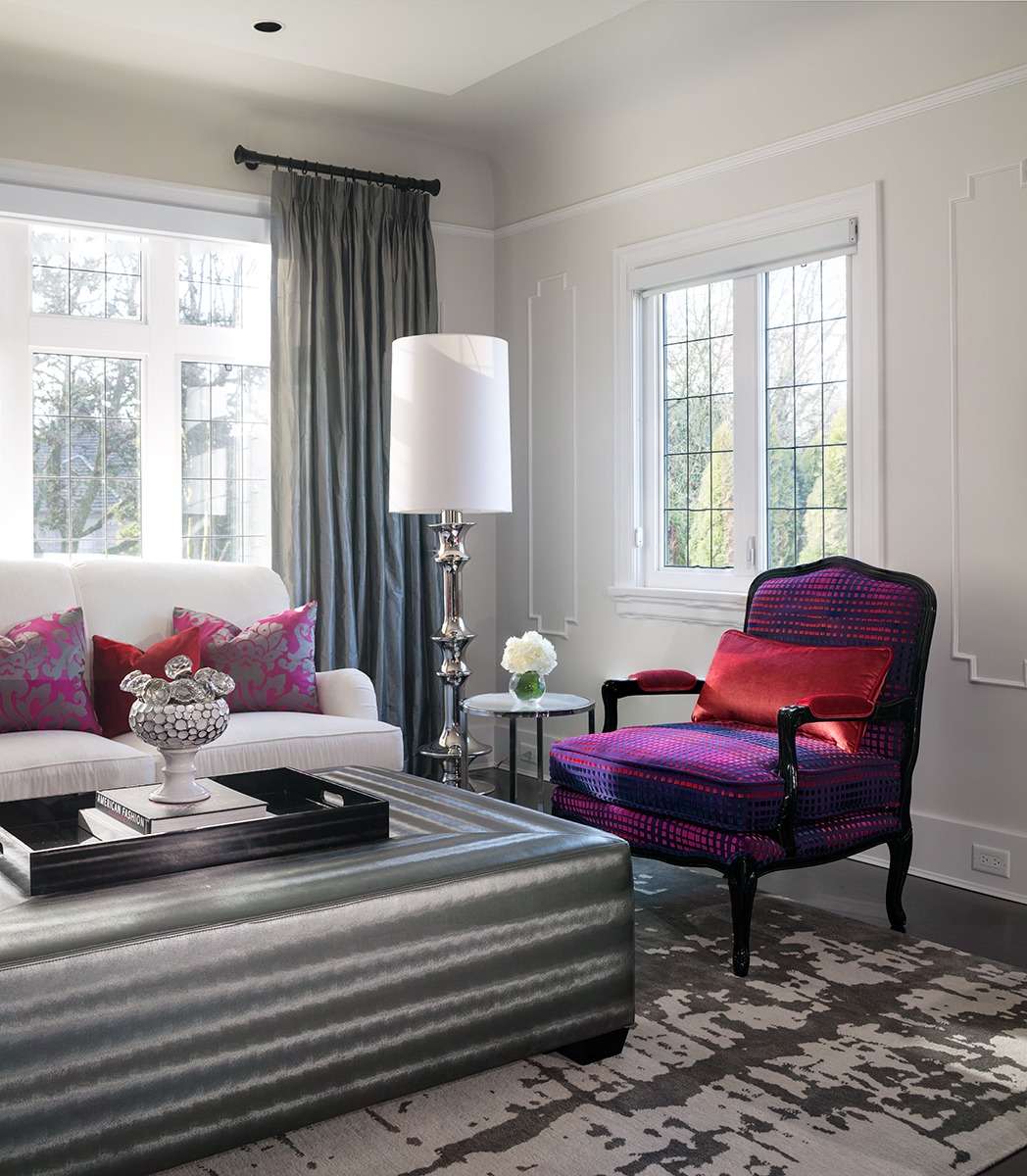
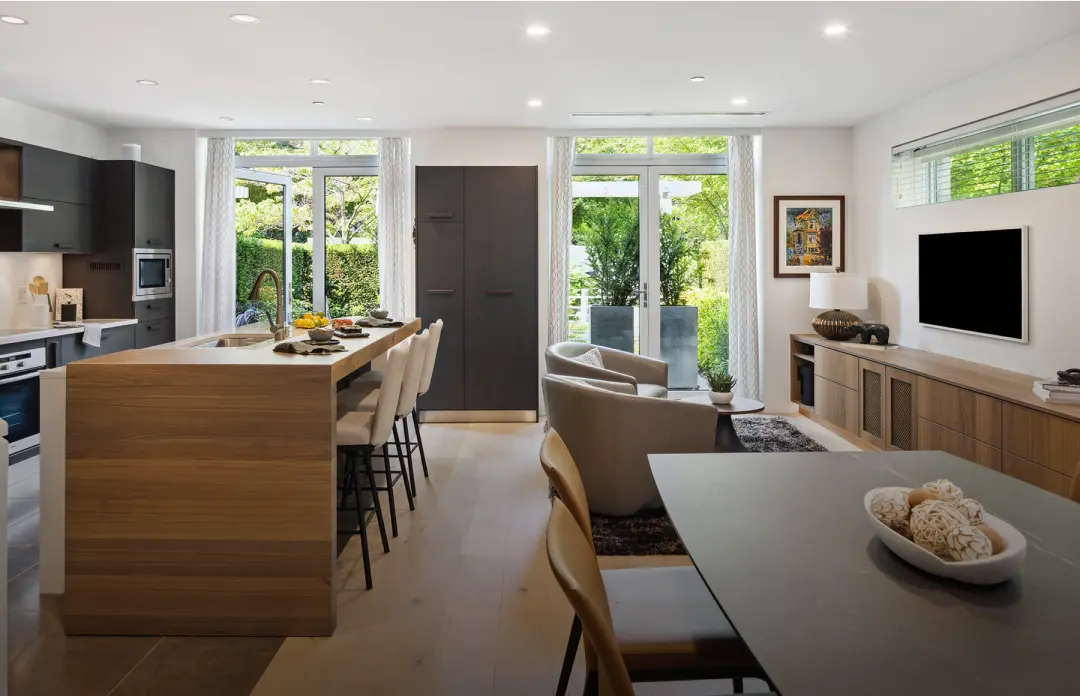
A finished historic home renovation that balances preserved character with updated interiors.
Step 1: Discovery, walkthrough, and feasibility
- Initial conversation about goals, must‑haves, and budget.
- On‑site or virtual review of structure, access, zoning, and any character or heritage considerations.
When in‑person meetings are tricky, we can also start virtually with photos, video, and plans through our virtual consultations.
Step 2: Concept design & order‑of‑magnitude pricing
- Concept plans showing layout options, additions, and key heritage elements to retain.
- Order‑of‑magnitude pricing tied to each option, including allowances for known risks and any grants or incentives worth pursuing.
Step 3: Detailed design, engineering, and permits
- Refined drawings, structural engineering, and interior concepts.
- Hazmat surveys, exploratory openings, detailed costing, and permit or heritage applications submitted to the City.
Step 4: Construction, protection, and communication
- Site protection for original features you’re keeping.
- Sequenced structural and services upgrades, then insulation, air‑sealing, finishes, and regular updates on schedule and budget.
Step 5: Finishing details, walkthrough, and warranty
- Final inspections, City sign‑offs, walkthrough, and homeowner orientation.
- Warranty support and a long‑term partner who already knows your house.
If you’d like to see how this looks in real life, explore our renovation portfolio, including heritage projects such as our Classic Shaughnessy home update. Renovation portfolio.
Questions to Ask Historic Home Renovation Contractors
Whether you’re talking to us or another firm, treat your first meeting like an interview. Here are practical questions that separate true historic home renovation contractors from generalists.
- How many heritage or character homes have you renovated in Vancouver in the last five years?
- Can I see completed projects similar to mine – and speak with at least one past client?
- How do you handle coordination with the City on heritage reviews, character merit, and zoning questions?
- What is your process for hazmat surveys, abatement, and documenting conditions before work starts?
- How do you structure budgets for historic projects, and what contingency do you typically recommend?
- Will I work with an integrated design‑build team, or are design and construction separate companies?
- How do you protect existing historic elements – windows, staircases, floors – during construction?
- What is your communication rhythm during construction (site meetings, updates, change‑order approvals)?
If a company markets itself as one of the region’s historic building restoration contractors but struggles to answer these clearly, that’s a useful signal.
For homeowners wanting extra detail, our heritage home renovations page outlines how we approach heritage projects, from first site visit through to the final walkthrough.
Ready to Talk About Your Character or Heritage Home?
Historic homes in Vancouver’s character neighbourhoods deserve more than quick fixes. They need careful planning, honest budgeting, and a builder who respects both the past and the way your family lives today.
If you’re starting to sketch ideas – or staring at a house that clearly needs more than new paint – we’re happy to be a sounding board. Our team can help you:
- Confirm whether your home has character or heritage considerations.
- Rough‑in a realistic budget range for your goals.
- Outline a phased plan if you want to spread work over time.
Request a free consultation with TQ Construction or contact our team to talk through your historic home renovation ideas.
Content on heritage policy and grant programs is provided for general information only and may change; always confirm details with the City of Vancouver and the Vancouver Heritage Foundation before making decisions.
This article was developed with the assistance of AI and reviewed by TQ Construction’s design‑build team for local accuracy and relevance.