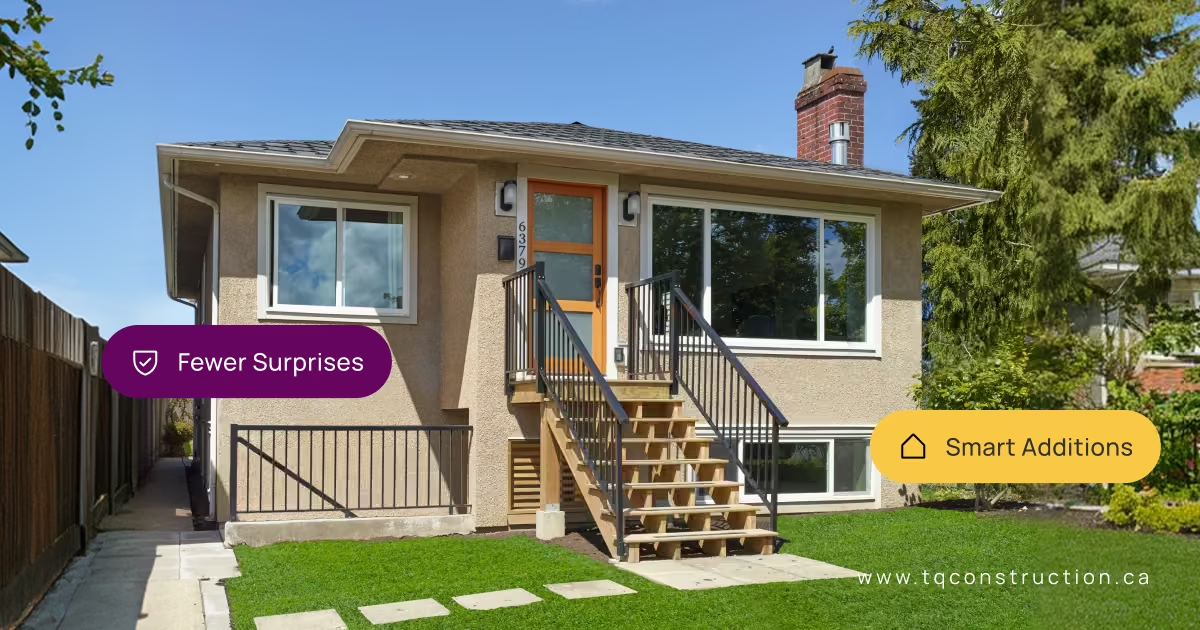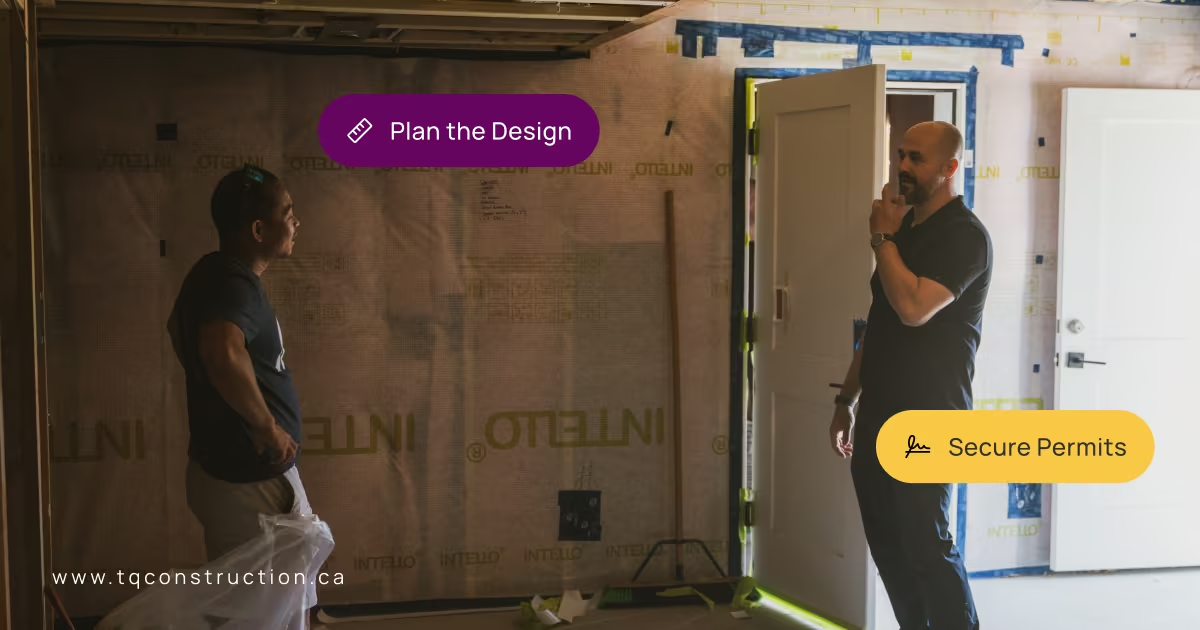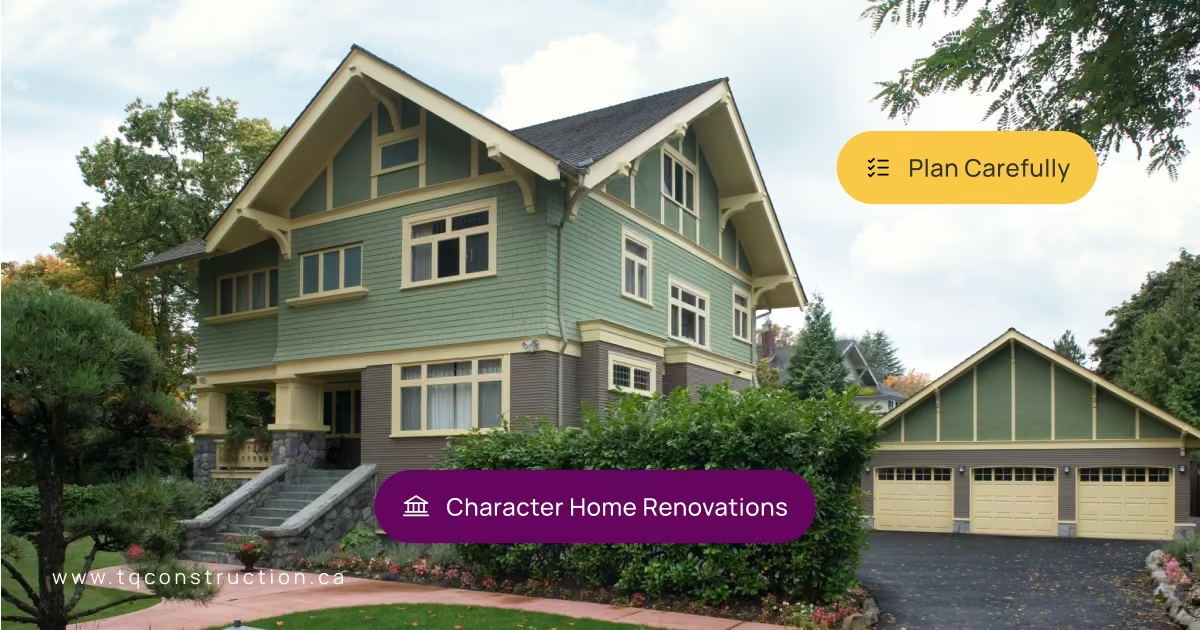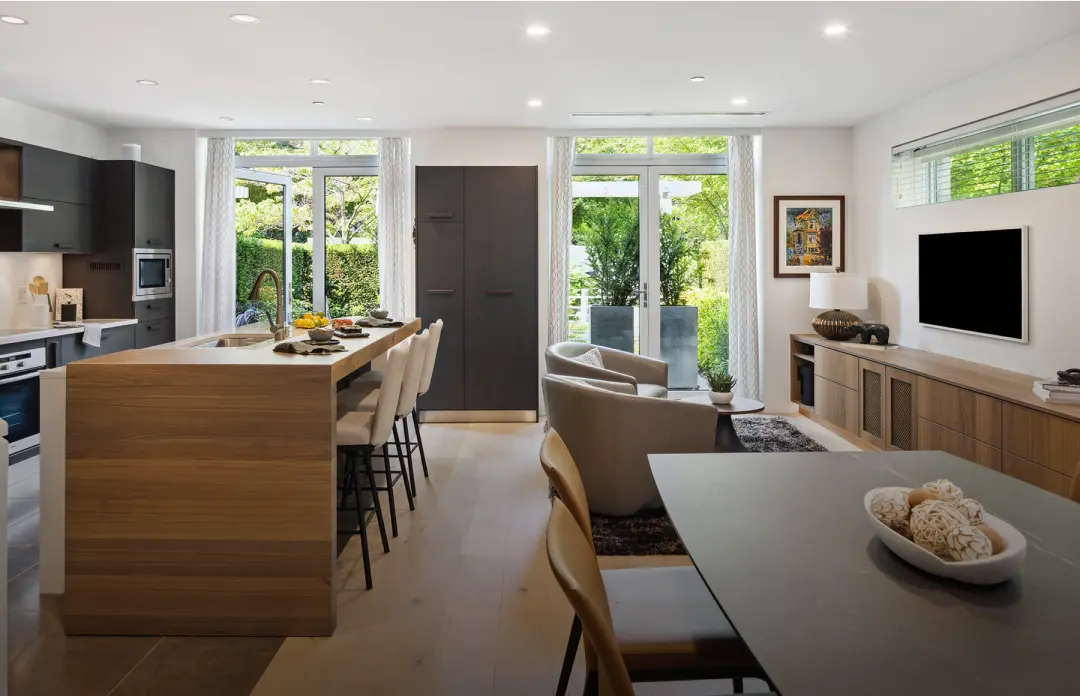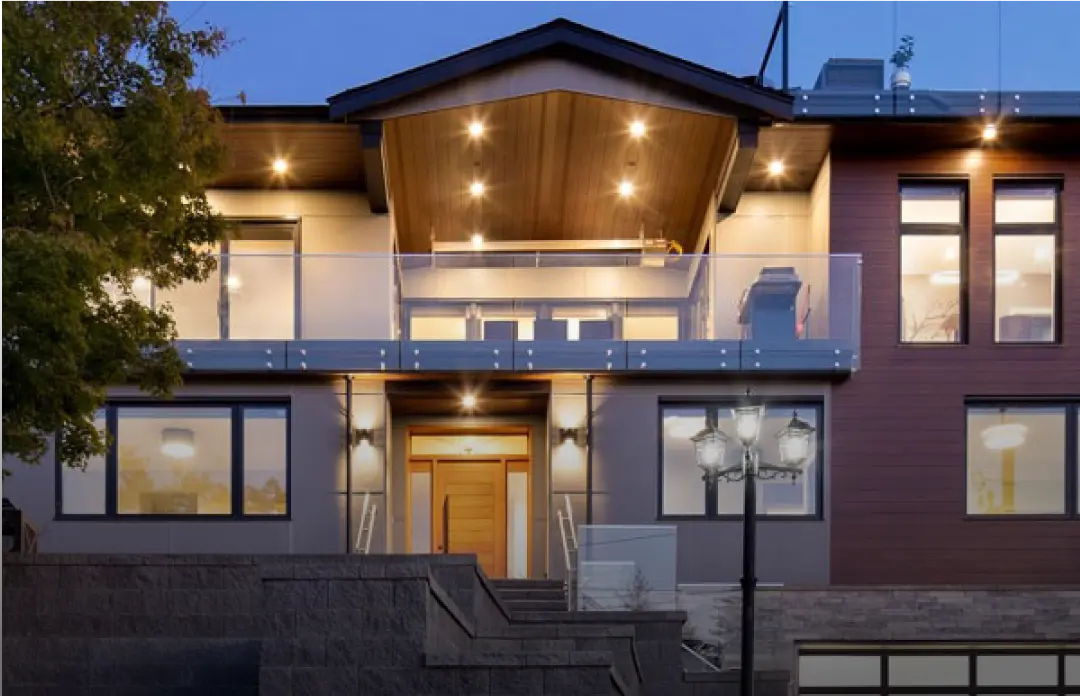


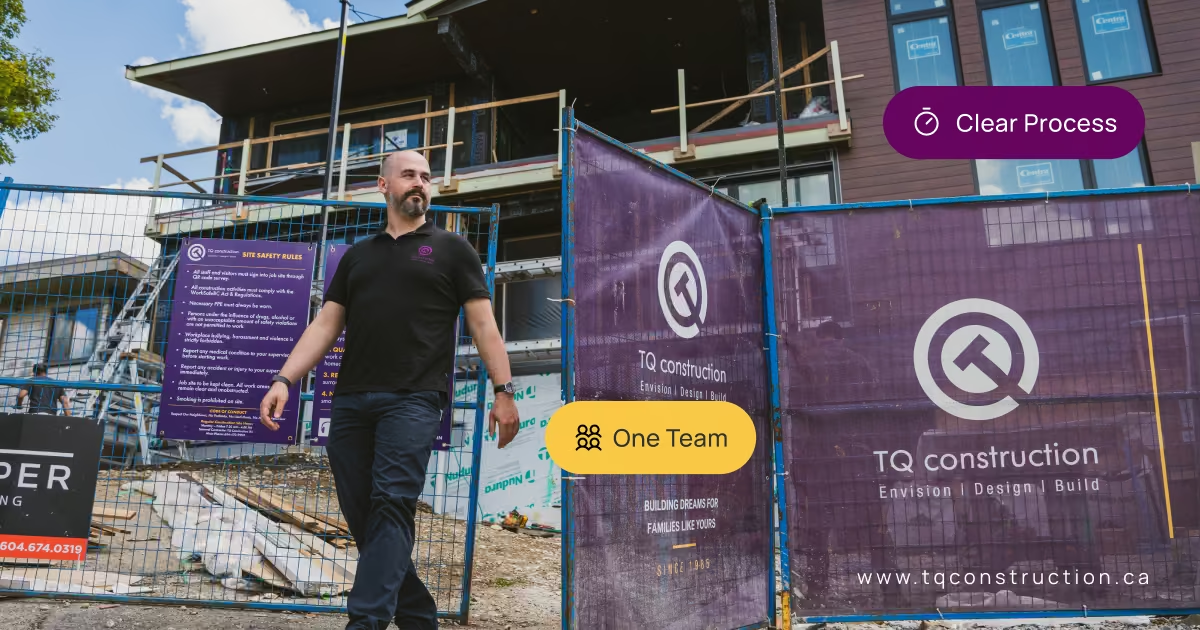

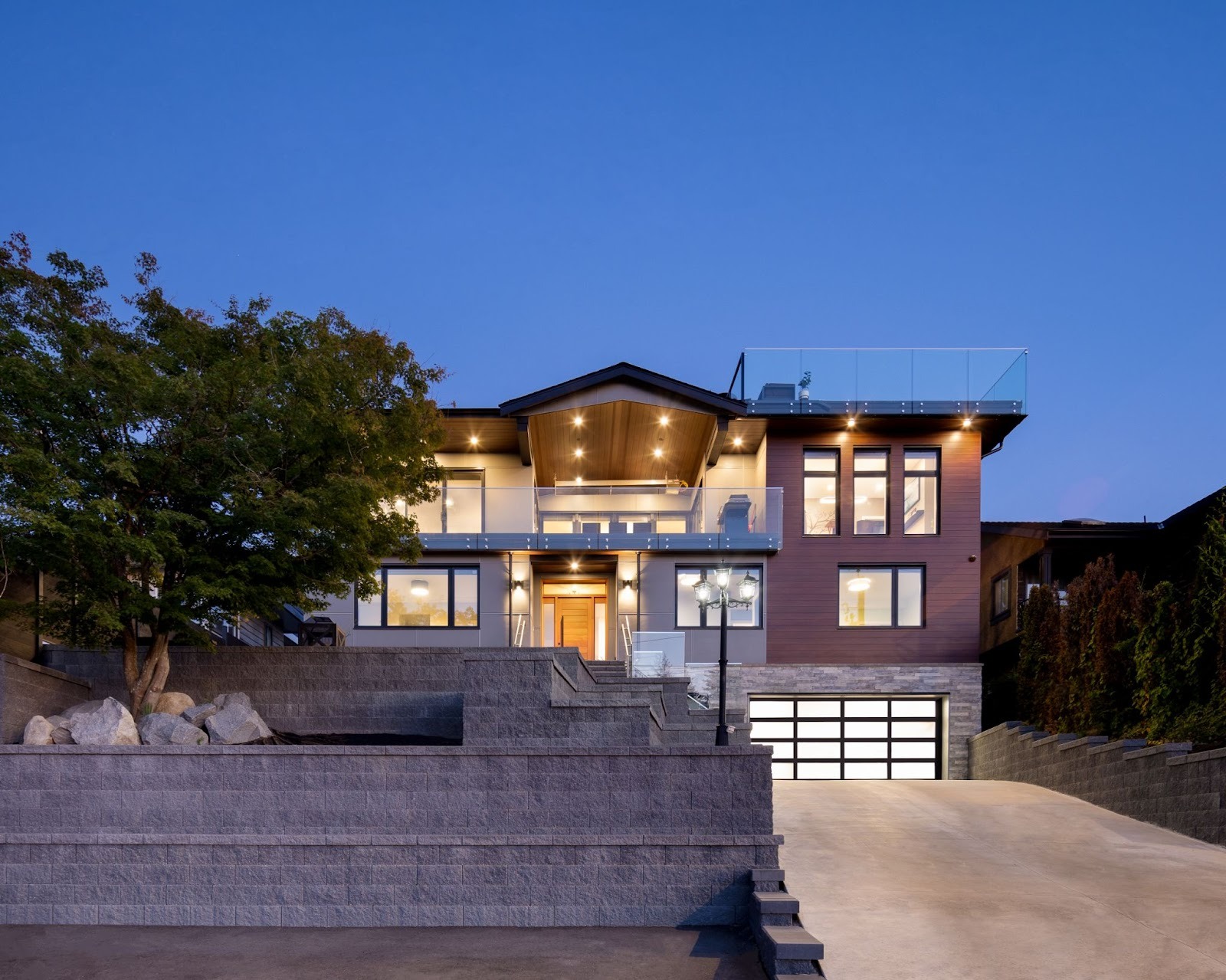
Thinking about turning a tired bungalow or post‑war house into the home you really want, without leaving your neighbourhood? In Greater Vancouver, the custom home building process has a few predictable stages, whether you’re planning a major renovation, a full rebuild, or a new custom home on an existing lot.
The hard part for most families isn’t deciding what they want; it’s understanding who does what, when the city steps in, and how to keep budgets and timelines under control while work is happening on a real, lived‑in property.
This guide pulls back the curtain on how a single, integrated design‑build team like TQ Construction plans, designs, permits, and builds major projects across Greater Vancouver’s established neighbourhoods—so you know what to expect long before anyone swings a hammer.
TL;DR: A smooth home builder process in Greater Vancouver runs through five big stages: discovery and feasibility, design, permits, construction, and handover/warranty. A single design‑build team manages all five, coordinates with your municipality, and keeps budget, schedule, and craftsmanship aligned from the first sketch to move‑in.
1. What is the custom home building process in Greater Vancouver?
Every municipality has its own bylaws, but for a large renovation or custom build the overall path is similar. At a high level, your project will move through:
- Discovery & feasibility: Walkthrough, wish list, zoning and site review, rough budget range.
- Design: Floor plans, elevations, structural direction, and selections for key finishes.
- Permits: Detailed drawings, engineering, energy requirements, and city review.
- Construction: Demolition, structure, rough‑ins, interior build‑out, and exterior work.
- Completion & warranty: Final inspections, occupancy, and post‑completion support.
Where homeowners run into trouble is when each step is handled by a different company—an architect here, a designer there, then a separate builder—without a single party coordinating budget, schedule, and constructability. That’s exactly the gap a design‑build firm fills.
2. Why one design‑build team works so well in established neighbourhoods
Most homes in places like Burnaby, East Vancouver, the North Shore, and the Tri‑Cities weren’t built for today’s lifestyles or today’s building standards. Lots are tight, trees are mature, lanes and slopes add complexity, and you may be working with a character or heritage home.
With a single design‑build partner:
- You discuss goals, budget, and schedule with one accountable team.
- Designers and builders sit on the same side of the table, so ideas are tested against real construction costs.
- Permit drawings, engineering, and energy modelling are coordinated in‑house or by trusted partners.
- You get a sequenced plan from day one instead of a stack of disconnected quotes.
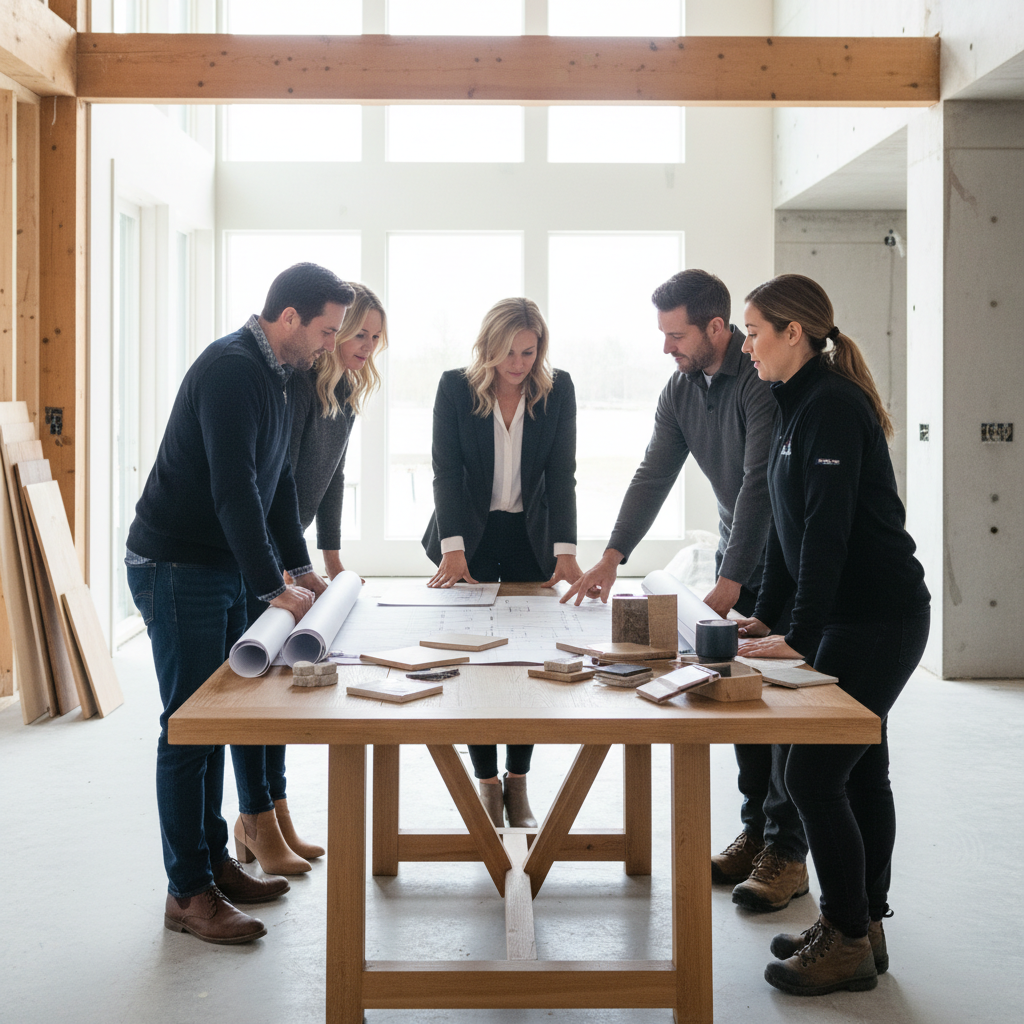
TQ Construction has been working this way since 1985, focusing on whole‑home renovations, custom home builds, and additions in lived‑in neighbourhoods. That history means there’s usually a past project within a few blocks of where you live.
“Our goal is that you’re never left wondering, ‘What happens next?’ – the next three steps are always on the table.”
3. Phase 1: Feasibility, wish list, and budget alignment
Phase 1 sets the tone for everything that follows. Before anyone sketches new walls, your team should understand:
- How you live now and what isn’t working.
- Which parts of the home must stay (structure, heritage features, trees, views).
- Rough investment level you’re comfortable with.
- Municipal rules that shape what is possible on your lot.
On a typical TQ project, this starts with a site visit, measurements, and a review of zoning and guidelines for your city. In Vancouver, for example, the City publishes step‑by‑step information for building or renovating a house, laneway home, or secondary suite, along with when permits are required for additions and interior wall changes on the City of Vancouver building and renovating guide.
Outside Vancouver, most municipalities reference the provincial BC Building Code 2024, which sets minimum standards for safety, structure, energy efficiency, and accessibility in housing and small buildings.
By the end of Phase 1, you should have:
- A clear project brief (needs vs. nice‑to‑haves).
- Confirmation that your ideas generally fit your lot, zoning, and code framework.
- A realistic early budget range for a major renovation or rebuild.
4. Phase 2: Design – from concepts to permit‑ready plans
With feasibility confirmed, design starts in earnest. This isn’t just about pretty drawings; it’s where layout, structure, and budget are woven together.
Key design milestones
- Concept design: Big‑picture floor plans that solve your space and flow problems.
- Design development: Refined plans with window sizes, stairs, kitchen and bathroom layouts, and exterior look.
- Engineering input: Structural and, where needed, geotechnical and mechanical review.
- Energy and envelope strategy: How the home will meet current energy and comfort expectations.
- Selections package: Cabinets, counters, plumbing, flooring, and other major finish decisions.
Because TQ’s designers work side‑by‑side with the construction team, each round of drawings is checked against real‑world build methods and costs. That’s how you avoid falling in love with a plan that ends up 30% over budget once trade quotes arrive.
For many families, this is also where phasing is discussed: can part of the house stay livable, or is a full gut the better long‑term move? On tight urban lots, especially near property lines or lanes, your design‑build team will also think ahead about site access, staging, and how to handle neighbours respectfully during construction.
By the end of Phase 2, you’ll typically have:
- Final floor plans and elevations suitable for permitting.
- A detailed scope of work and updated cost estimate.
- A clear list of decisions still outstanding (for example, a few finish selections).
5. Phase 3: Permits and approvals across Greater Vancouver
Once the design is locked, your builders assemble the permit package: detailed drawings, engineering letters, energy calculations where required, and all the city forms. One of the biggest stress‑relievers for homeowners is handing this whole stack to a team that does it every day.
In Vancouver, a building permit is generally required for renovations that add floor area, move or install interior walls, or change the structure of the home—exactly the kind of work involved in large renovations and custom builds, as outlined in the City of Vancouver building permit requirements.
In Burnaby, the City requires home improvement permits for projects that include excavation, additions, major alterations, or demolition of any building or structure; minor cosmetic work like painting or replacing cabinets typically does not, as outlined on the City of Burnaby home improvement permits page. Residential building permits and many sub‑trade permits are now applied for online through the City’s permits and applications portal.
Typical permit steps your team handles
- Confirm zoning, design guidelines, and any heritage or character considerations.
- Co‑ordinate required consultants (surveyor, structural, energy advisor, arborist, etc.).
- Prepare and submit full permit drawings and forms.
- Respond to plan checker comments and revise as needed.
- Secure final building permit and line up required inspections.
For you, this phase is mostly about patience and quick decisions when questions arise. For your builder, it’s a lot of detailed back‑and‑forth with city staff. Having the same team that designed the project manage those conversations reduces finger‑pointing and keeps revisions coordinated.
6. Phase 4: Construction – your on‑site home builder process
With permits in hand and a construction agreement in place, the visible work begins. On a major renovation or custom build, you can expect a sequence along these lines:
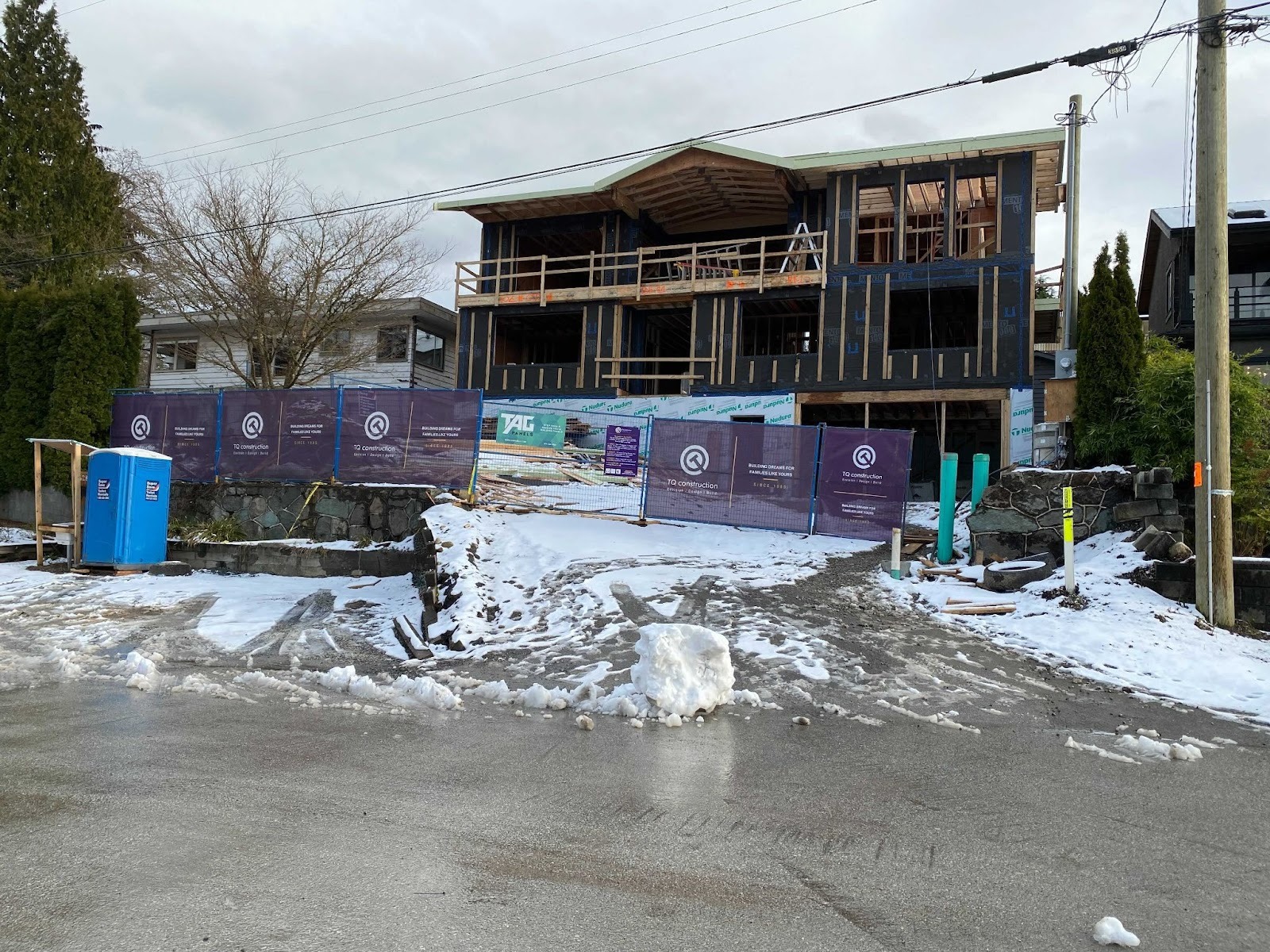
Stage
What you’ll see
What TQ is doing
Pre‑construction
Site fencing, signage, neighbours informed.
Final measurements, ordering long‑lead items, detailed schedule.
Demolition & prep
Interior gutted, selective exterior demo.
Protecting what stays, coordinating disposal and recycling.
Structure & shell
New framing, additions, windows, roof work.
Meeting structural specs, inspections, weather‑tight shell.
Rough‑ins
Plumbing, electrical, HVAC in open walls.
Sub‑trade coordination, compliance and inspections.
Insulation & drywall
Spaces take their final shape.
Energy and sound performance, quality drywall install.
Finishes
Cabinets, tile, flooring, trim, paint.
Detail management, millwork checks, site cleanliness.
Completion
Fixtures in, final clean, move‑in.
Deficiency list, final inspections, occupancy.
Throughout construction, you should expect regular updates from your project manager: schedule forecasts, budget tracking, photos, and upcoming decisions. Many TQ clients appreciate a set weekly update plus quick check‑ins when surprises come up—because on older homes, they sometimes do.
After final inspection and approval of building, electrical, plumbing, and gas systems, the municipality issues occupancy, at which point you can officially move in.
7. How long does the process usually take?
Every property and municipality is a bit different, but for a substantial renovation or rebuild in Greater Vancouver, rough timeframes often look like this:
- Feasibility & early planning: 4–8 weeks
- Design & selections: 3–6 months, depending on complexity and decision speed
- Permitting: roughly 2–9+ months, depending on the city’s workload and scope
- Construction: about 6–12+ months for large renovations and custom homes
Weather, market conditions, supply chains, and inspector availability all play a role. Your best defence against delays is a builder with a clear process, long‑standing relationships with local officials and trades, and a realistic schedule from day one.
8. What working with TQ Construction looks like
After forty years and dozens of Georgie and HAVAN Ovation Awards, TQ has refined a repeatable, homeowner‑friendly approach to complex design‑build projects in Greater Vancouver.
Homeowners typically tell us they value:
- One accountable team from first ideas through warranty.
- Clear pricing once design and scope are defined, rather than open‑ended allowances.
- A dedicated project manager as their day‑to‑day point of contact on site.
- Regular communication about schedule, neighbours, site access, and key decisions.
- Craftsmanship that respects both modern performance standards and older homes’ character.
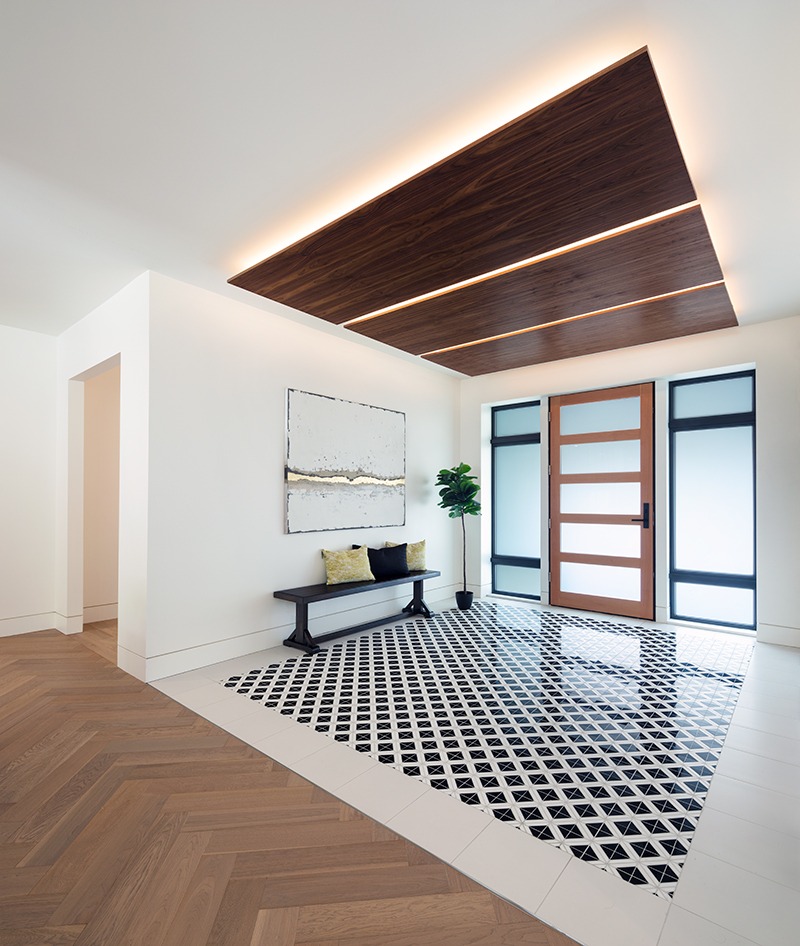
If you’d like to see how this looks in real life, the project gallery shows award‑winning whole‑home renovations, additions, and custom homes across Burnaby, Vancouver, the North Shore, and beyond.
Curious whether your home is a good candidate for a major renovation versus a full rebuild? A short conversation with our team can usually clarify that picture quickly.
9. TL;DR checklist: steps from first call to move‑in
Here’s the whole home builder process in one place. Use it as a checklist when you talk with any potential builder, not just us:
- Book an initial conversation and confirm your home is in our service area.
- Host a site visit and share your wish list, constraints, and rough budget.
- Review a feasibility summary: zoning fit, high‑level options, and budget range.
- Enter into a design agreement and start floor plans and exterior concepts.
- Work through design development, selections, and constructability review.
- Approve permit drawings; your team submits to the city and manages revisions.
- Finalize construction pricing and schedule while permits are in review.
- Sign the construction agreement once permits are ready to issue.
- Complete construction with regular updates, walk‑throughs, and inspections.
- Move into your finished home and rely on ongoing warranty support.
Summary: When design, permitting, and building all flow through one experienced design‑build team, your custom project in an established Greater Vancouver neighbourhood becomes far more predictable, from first sketch to final walkthrough.
Ready to talk about your home?
If you’re considering a major renovation, addition, or custom rebuild in Greater Vancouver, we’d be glad to walk through options for your specific property, bylaws, and budget.
Request a Free Consultation to speak with the TQ Construction team about next steps for your home.